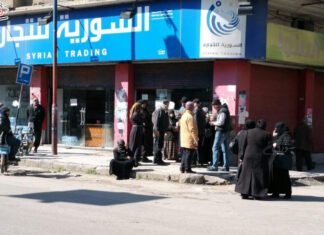
Escalating conflict between Israel, the US and Iran is rippling across Syria, disrupting energy supplies, reshaping political calculations and stirring complex public reactions in a country still emerging from years of war.
In a recent statement Syria’s Ministry of Energy said declining electricity supply hours stem from reduced natural gas imports through Jordan. “The decrease currently occurring in electricity supply hours is due to a reduction in the quantities of natural gas imports coming through Jordan,” citing “the current regional escalation and the inability to continue pumping gas in accordance with previous agreements.”
The gas originates in Egypt and travels through Jordan before reaching Syrian power plants. Egyptian exports have fallen as the regional conflict intensifies. The ministry said technical teams are relying on available local production and regulating supply hours “according to available capabilities to ensure the stability and continued operation of the electrical grid.”
Compounding pressures, QatarEnergy announced it halted liquefied natural gas production after Iranian drone attacks targeted facilities in Ras Laffan Industrial City and Mesaieed Industrial City. “Due to military attacks on QatarEnergy’s operating facilities … QatarEnergy has ceased production” the company said. European gas prices have reportedly surged by about 50% following the disruption, underscoring the broader energy shock.
Syria has maintained measured rhetoric, focusing on sovereignty and noninterference as it seeks economic recovery and regional reintegration. As fighting reshapes power balances from the Gulf to the Levant, Syria faces immediate hardships at home while navigating an uncertain regional order that could redefine its role after years as an arena for proxy conflict.