Escalating tensions between Israel, the US and Iran are rippling across the Middle East, compounding economic pressures in Syria as it struggles to stabilize after more than a decade of war. Amid fears of supply disruptions and volatility in global energy markets, Syria’s Ministry of Energy said there is no shortage of petroleum products, including gasoline, diesel and domestic gas.
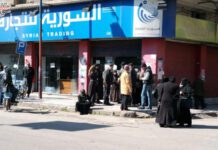
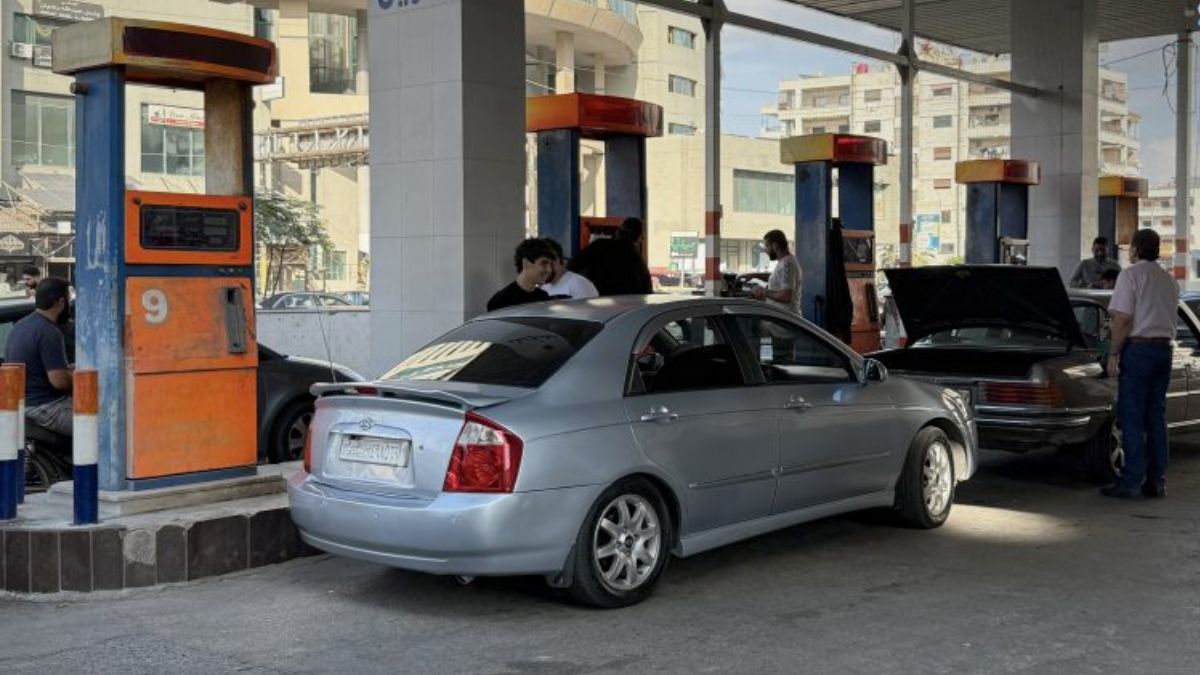
In a recent statement, the ministry said operating refineries continue to function normally and crude oil import contracts remain in place through approved channels. It added that operational stock levels are within safe limits. The ministry attributed congestion at some gas stations to panic buying rather than supply gaps, stating that sales exceeded 300% of the normal daily rate due to rumors and concern over regional developments.
The Syrian Petroleum Company (SPC) said shipments of liquefied petroleum gas continue to enter through the Nassib border crossing with Jordan, heading to Damascus as part of efforts to bolster strategic reserves.
However, residents in Daraa Governorate described a different reality. Several said cooking gas remains scarce, with families struggling to secure cylinders during the holy month of Ramadan. Some reported buying gas from unauthorized vendors at prices between 230,000 and 250,000 Syrian pounds.
Families in northern Idlib’s displacement camps mentioned both scarcity and price jumps from 400 to 600 Turkish lira ($10.50-$13.50 USD). The disparity between official assurances and local accounts has raised questions about distribution and allocation.
Electricity Cuts and Import Dependence
Energy concerns extend beyond fuel queues. The Ministry of Energy said reduced electricity supply hours stem from a decline in natural gas deliveries via Jordan, which power Syria’s generation plants. Officials noted that supplies sometimes face interruptions.
Syria’s economy remains fragile. After years of conflict that damaged oil wells, gas fields and infrastructure, the country relies heavily on imports to meet energy needs. Osama al-Qadi, a senior adviser at the Ministry of Economy and Industry, said the economic impact hinges on how long the confrontation with Iran continues.
“The longer the war lasts, the more likely it will mean a decrease in gas imports and an increase in electricity prices,” Qadi told Arabi21. He added that Syria cannot currently secure its energy requirements from domestic production due to the shutdown of most oil and gas fields. Qadi warned that prolonged conflict and rising oil prices could trigger inflation. He expressed hope that authorities would accelerate repairs to oil fields and pipelines.
Broader Economic Fallout
Economist Radwan al-Dibs told Arabi21 several sectors have already suffered. He pointed to the closure of Syrian airspace and airports, which halted related state revenues. He also cited Syria’s dependence on gas imports from Jordan and petroleum derivatives from abroad.
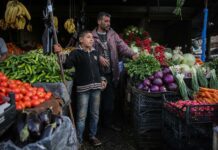
“The fear in Syria today is the disappearance of diesel and gasoline, due to disruptions in supply chains from the Gulf Arab states,” Dibs said, adding that a prolonged war could spark major crises. Syria imports roughly 100,000 barrels of oil per day. Any rise in global oil prices or shipping costs increases the burden on limited foreign currency reserves. For a country still rebuilding from years of devastation, regional instability adds another layer of uncertainty to an already strained economy.