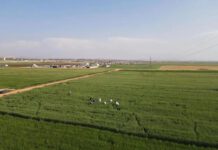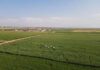
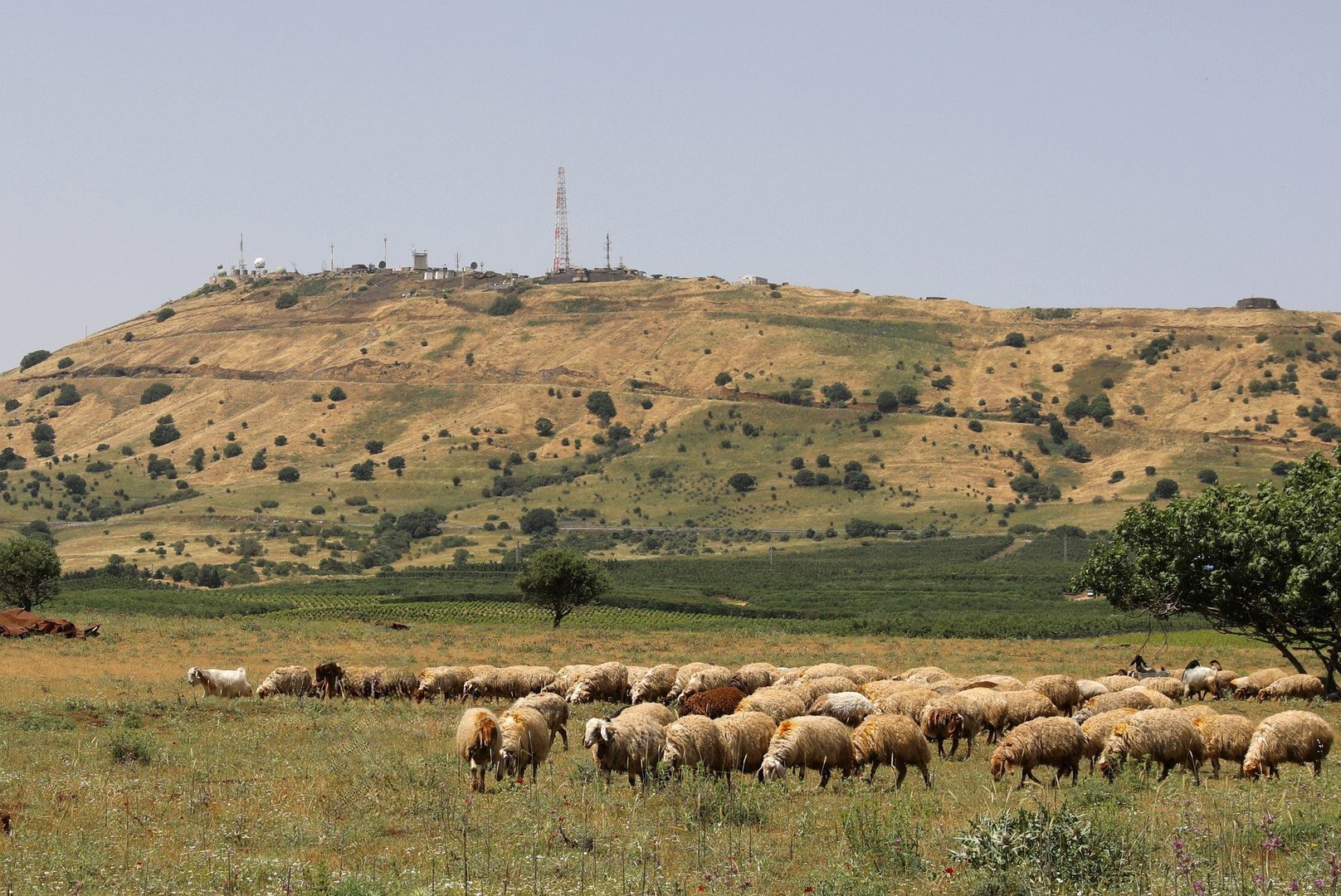
 Abundant rainfall and the return of green pastures across Hasakah Governorate raised hopes for a strong recovery in the region’s livestock sector after years of severe drought that strained herders and reduced herd sizes. Large areas of natural grazing land have once again turned green, providing free fodder for livestock and easing the financial burden on breeders who had previously relied on costly commercial feed.
Natural pastures stretch across wide areas of Hasakah, particularly within the fifth agricultural stability zone and the southern desert of the governorate, as well as mountainous regions and valleys. Heavy rainfall this season, combined with warmer temperatures, has helped restore vegetation after nearly seven years of recurring drought. The renewed plant growth is seen as a positive indicator for the livestock sector, offering herders access to natural grazing and reducing dependence on purchased feed.
Breeders Express Optimism
In the Tel Brak area in eastern Hasakah countryside, livestock breeder Farhan al-Sayd said the rains have brought renewed hope to the sector. “The first signs of good fortune came with the arrival of spring,” he said. “The abundant rains restored the pastures after a long absence, easing the burden of buying feed that forced many breeders to sell their herds in recent years.”
He added that the improved grazing conditions could help breeders recover past losses and expand their herds, particularly with rising birth rates among free-range sheep and goats that rely on natural vegetation.
Natural Feed Improves Animal Health
Another breeder, Awad al-Salem from the Tel Tamer area, said natural grazing contributes to stronger livestock health and greater resistance to disease compared with some commercial feed products. He explained that the seasonal cycle allows herds to graze freely during the spring before feeding on the residues of wheat and barley crops during the summer.
Hay can then be stored to sustain livestock through the winter months. Breeders are also hoping that continued stability in the region will allow them to market livestock and dairy products more easily as economic activity gradually recovers.
Livestock Markets Rebound
Improved grazing conditions also had a noticeable effect on livestock markets. Trader Adel al-Obeid said prices for livestock increased by between 50% and 100% compared with recent months, as breeders purchase sheep and cattle to take advantage of the favorable grazing season and the expected lambing cycle.
Hasakah remains one of Syria’s most important livestock-breeding regions, with an estimated one million animals. With natural pastures restored and government plans aimed at supporting agriculture and livestock investment, the current season could help compensate breeders for earlier losses while boosting local production of meat and dairy products.