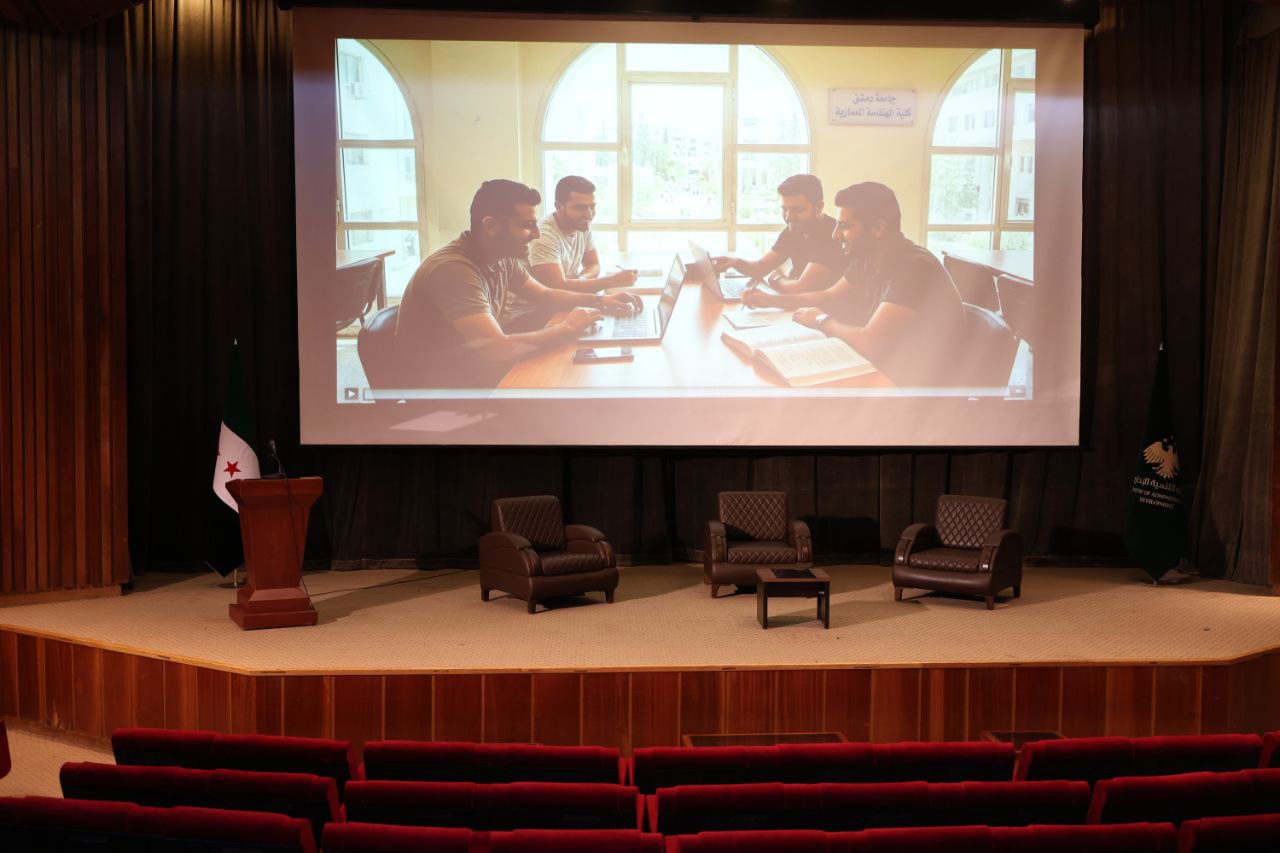
 The Ministry of Administrative Development launched a national volunteer platform called “Bunaat, Syrian Energies Towards a Sustainable Impact,” marking an important step toward organizing and digitizing volunteer work across the country. The platform is designed to connect the energy and skills of Syrian youth with developmental opportunities inside government institutions through a unified digital environment bringing volunteers and public entities together in one place.
A Unified Platform for Institutional Volunteer Work
According to Hammam al-Yaghi, the Bunaat platform, meaning Builders, is an official national initiative relying on digital authentication to verify volunteer identities and credentials. This approach ensures the reliability of participant data and enables volunteers to be matched with opportunities aligned with their areas of specialization and expertise.
Yaghi explained the platform seeks to move beyond the traditional concept of volunteerism, which is often limited to general public services. Instead, it aims to channel the skills of Syrian youth, particularly recent university graduates, into institutional volunteer roles that provide meaningful professional experience and allow participants to better understand the labor market within government institutions.
He added the platform addresses an organizational gap existing in recent years, when government agencies often managed volunteer activities independently. As a result, volunteers previously had to search across multiple websites or applications to find opportunities. The Bunaat platform now provides a single interface displaying volunteer opportunities across government bodies, helping unify efforts and simplify access for those wishing to contribute.
Harnessing a Vast Human Resource
Yaghi noted the platform’s slogan, “Syrian Energies Towards a Sustainable Impact,” reflects the country’s significant human potential. According to him, the main challenge lies in effectively investing this energy to achieve long-term development. The platform therefore aims to transform the enthusiasm of young people into organized volunteer projects supporting and strengthening the work of state institutions.
One of the platform’s notable features is the availability of remote volunteer opportunities, allowing Syrians living abroad to contribute their expertise. This may include performing digital tasks or offering specialized training to personnel inside Syria.
Yaghi indicated many Syrian experts in the diaspora have already expressed interest in volunteering their services without financial compensation. In addition to supporting government institutions with specialized skills, the platform provides young graduates with early exposure to professional environments. This experience can help shorten the time needed to gain practical expertise and increase graduates’ readiness for the job market.
Work is also underway to introduce electronic certificates for volunteers. These will include participation and experience certificates awarded after completing a specified number of volunteer hours, potentially improving participants’ employment prospects in both the public and private sectors.
Future Development and Challenges
Looking ahead, Yaghi confirmed efforts are ongoing to expand the platform’s reach within universities, increase the number of available volunteer opportunities, and encourage greater participation from Syrian professionals living abroad. He noted the main challenges involve strengthening coordination with government institutions and promoting a broader culture of institutional volunteerism among young people.
The launch of the Bunaat platform comes after several years during which Syria witnessed numerous youth-led volunteer initiatives in areas such as humanitarian relief, community services, and social support. These initiatives have highlighted the important role volunteer work can play in supporting government efforts and strengthening social cohesion.