The Syrian government opened a humanitarian transit corridor for staff of the International Federation of Red Cross and Red Crescent Societies and their families as Lebanon faces a growing humanitarian crisis. Saad Baroud, director of the Department of International Organizations at Syria’s Ministry of Foreign Affairs, said the decision came after a formal request from the federation. He confirmed humanitarian personnel may cross Syrian territory when necessary under coordinated procedures.
Baroud said the arrangement will occur in coordination with the Syrian Arab Red Crescent (SARC). Authorities aim to facilitate travel procedures, ensuring the safety of humanitarian staff and their families moving through Syria. The move comes as conditions in Lebanon worsen amid ongoing regional tensions and security concerns straining infrastructure and civilian services.
Border Crossing Opens for Returning Syrians
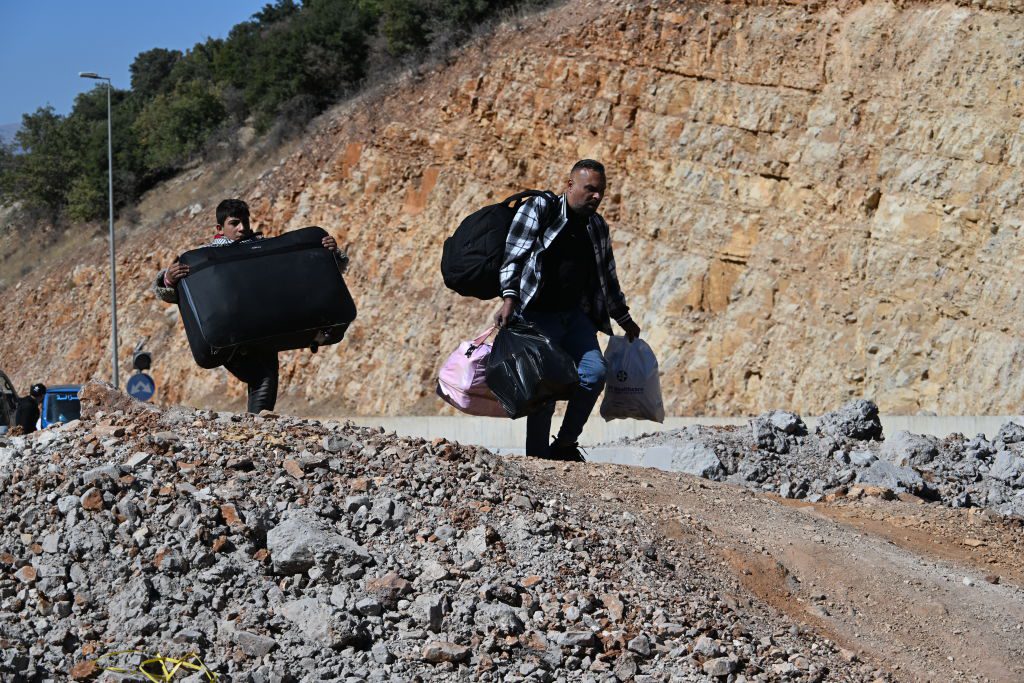
Syrian authorities also announced measures affecting civilians along the Syrian Lebanese border. The General Authority for Ports and Customs said that officials opened the Arida border crossing to Syrians returning from Lebanon on foot.
Officials took the step while maintenance and rehabilitation work continues on the bridge leading to the crossing. Authorities plan to reopen the route later for full vehicle traffic once the repairs are completed.
The temporary arrangement allows individuals stranded in Lebanon to return home while engineers complete the reconstruction work at the crossing. Syrian authorities said the measure aims to ease travel during the ongoing disruptions affecting cross-border movement.
Leaders Discuss Coordination and Security
Diplomatic communication between Syrian and Lebanese leaders has also intensified in response to the situation. Syrian President Ahmad al-Sharaa, March 6, spoke with Lebanese Prime Minister Nawaf Salam via phone to discuss the crisis and its regional implications.
According to the Lebanese National News Agency, Sharaa expressed solidarity with the Lebanese people during what he described as “difficult circumstances.” He explained Syria recently increased its military presence along the Syrian Lebanese border in order to control crossings and preserve internal security. He emphasized the importance of continued coordination between Damascus and Beirut to prevent instability along the frontier.
Salam thanked Sharaa for the call expressing appreciation for Syria’s message of solidarity. The Lebanese prime minister also stressed the need for ongoing consultation and cooperation between the two countries.
Political Dialogue Signals Possible Reset
Separate political discussions took place Sunday when Sharaa held a telephone conversation lasting over an hour with Lebanese Member of Parliament Sami Gemayel, leader of the Kataeb Party. According to a statement published on the party’s official website, the discussion addressed regional developments, the ongoing war in the region and the future of relations between Lebanon and Syria. The statement described the call as taking place in a positive atmosphere.
During the conversation, Sharaa said relations between Damascus and Beirut should rest on mutual respect and stronger economic cooperation that serves the interests of both nations. He also reiterated that Syrian troop deployments near Lebanon and Iraq aim to secure borders and maintain stability.
Gemayel said Lebanon and Syria have an opportunity to move beyond decades of tension toward what he described as a normal and healthy relationship. He also urged cooperation in clarifying the fate of Lebanese detainees in Syrian prisons and in investigating past political assassinations in Lebanon. Both sides agreed to keep communication channels open and continue coordination in the period ahead.