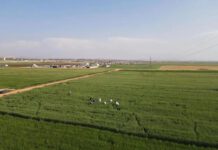
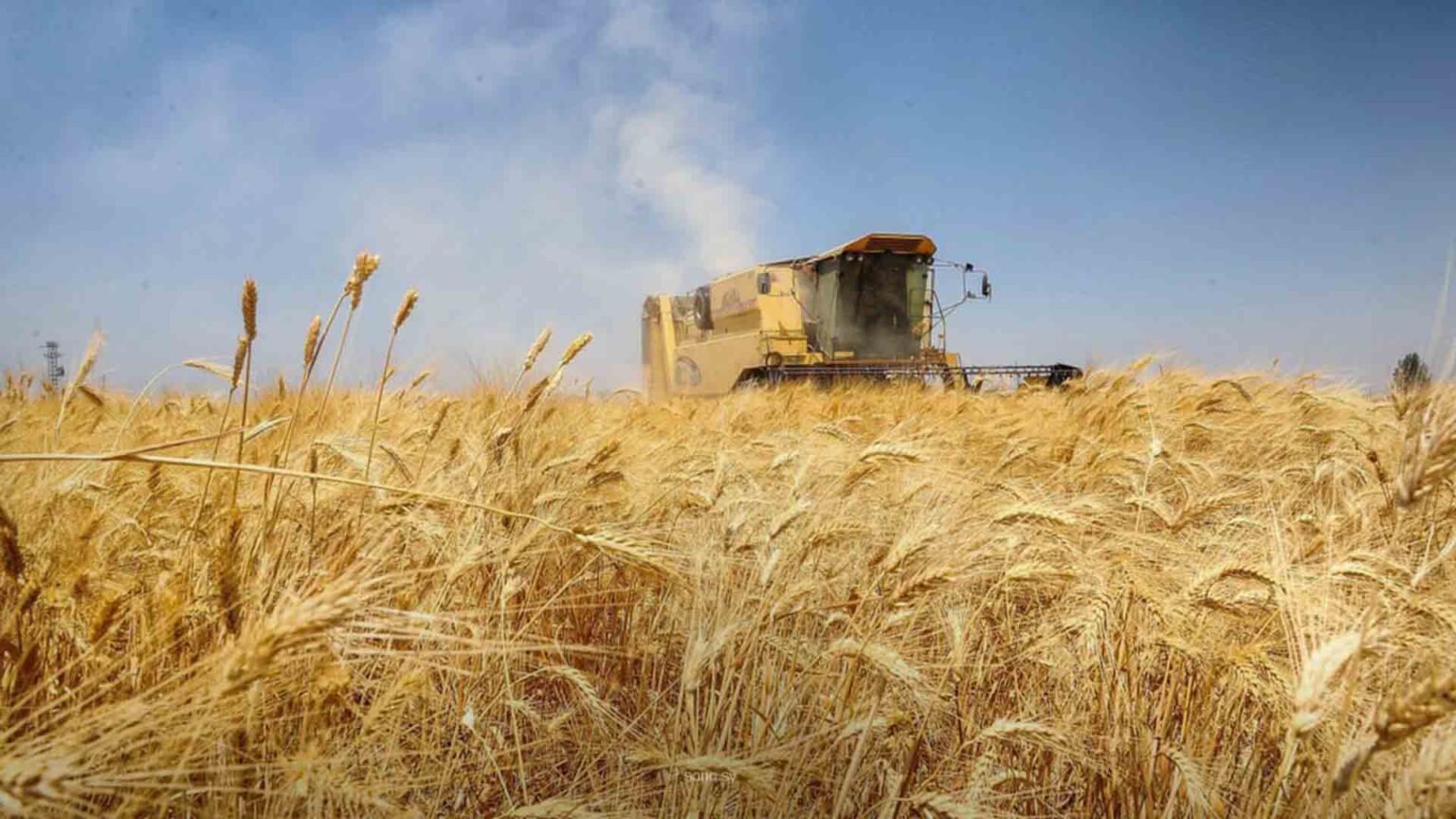
 Syria is witnessing a notable recovery in its wheat sector this year, as the Ministry of Agriculture reported cultivation reached over 86% of the planned target for the current season. Saeed Ibrahim confirmed both rain-fed and irrigated wheat planting have surpassed expectations, with approximately 1.47 million hectares scheduled for cultivation under the national plan.
Strong Rebound After Last Year’s Drought
The improvement marks a sharp recovery from last year’s drought, which severely impacted agricultural output. Rain-fed wheat cultivation reached 92% of its target this season, covering around 761,000 hectares.
In contrast, last year’s figure did not exceed 3% due to extreme weather conditions, reflecting an estimated increase of 89%. Officials consider this rebound a critical step toward narrowing the wheat supply gap, which had widened significantly following the previous season’s poor harvest.
The Ministry is now focusing on expanding cultivation in rain-fed agricultural lands, estimated at about 3.4 million hectares nationwide. Particular attention is being given to eastern regions, especially the Syrian Jazeera (Raqqa, Hasakah and Deir Ezzor), where improved rainfall, alongside recovering stability, has created more favorable farming conditions.
Supporting Farmers and Increasing Resilience
Ibrahim emphasized the government is working with international partners to provide support to farmers, particularly those most vulnerable. This includes supplying essential agricultural inputs to help increase cultivated areas and strengthen farmers’ resilience.
Despite the positive indicators, Syria’s wheat sector continues to face structural challenges. Agricultural experts note recent years have seen one of the worst crises in the country’s modern agricultural history, driven by climate change and economic pressures.
The Food and Agriculture Organization (FAO) previously estimated Syria’s wheat deficit exceeded 2.5 million tons last year, underscoring the scale of the challenge. Experts stress that long-term recovery will require comprehensive reforms in agricultural policy, with a stronger focus on supporting farmers and adapting to climate realities to ensure sustainable food security.