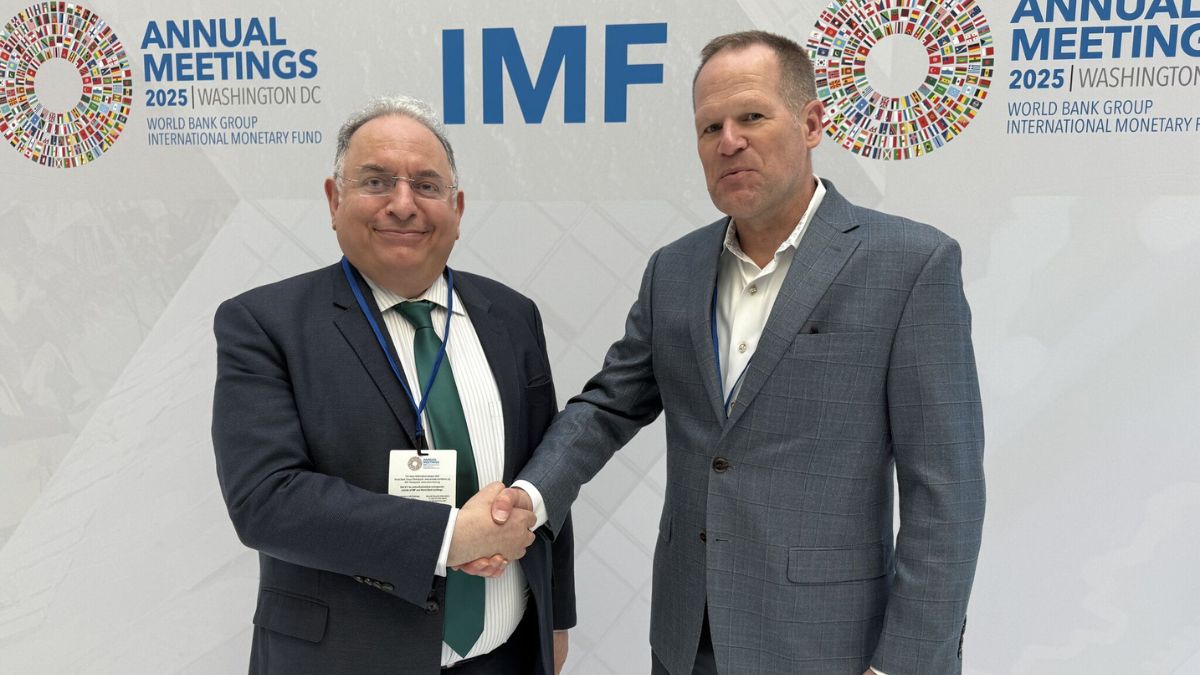
Syria has taken a new step toward financial reform, as Finance Minister Muhammad Barnieh announced the World Bank Board of Executive Directors approved a $20 million grant through the International Development Association (IDA). The funding aims to strengthen public financial management by improving efficiency, transparency, and oversight of state resources.
The grant is expected to support a broader transition toward structured and accountable financial governance. As part of this effort, authorities plan to establish a State Engagements and Financial Support (SEAFS) division within the Ministry of Finance. This unit will coordinate national and international projects while enhancing oversight and financial discipline in the management of external aid.
Governance as a Path to Restoring Confidence
Economic expert Hussam Ayesh described financial governance as a critical strategic priority for Syria, noting that its absence in recent years has negatively affected public finances, economic sectors, central banking operations, and both domestic and external debt management. He explained that weak governance contributed to discouraging investment and reinforced monopolistic practices within the economy.
Strengthening governance, Ayesh said, would mark a shift toward a more inclusive financial system where transparency in public spending and revenue allocation is ensured. He added improved governance could play a key role in enhancing Syria’s credit rating, which would help attract greater levels of domestic and foreign investment.
Combating Corruption and Improving Resource Allocation
According to Ayesh, effective financial governance is essential in combating corruption and preventing the misuse of public funds. By strengthening oversight mechanisms, the government can better safeguard state resources and direct them toward priority sectors such as education, healthcare, and infrastructure. This approach is expected to improve the efficiency of public spending and support long-term development objectives.
The grant represents the second such initiative in what Ayesh described as a renewed phase of cooperation between Syria and the World Bank Group after a prolonged period of limited engagement. He emphasized the World Bank support carries strong positive signals for the Syrian economy, particularly in terms of building investor confidence.
Transparent and accountable financial systems, he noted, are key factors that attract international investment flows. Previously, the World Bank approved a $146 million grant package aimed at improving electricity supply and supporting economic recovery, further indicating a gradual re-engagement in Syria’s development process.