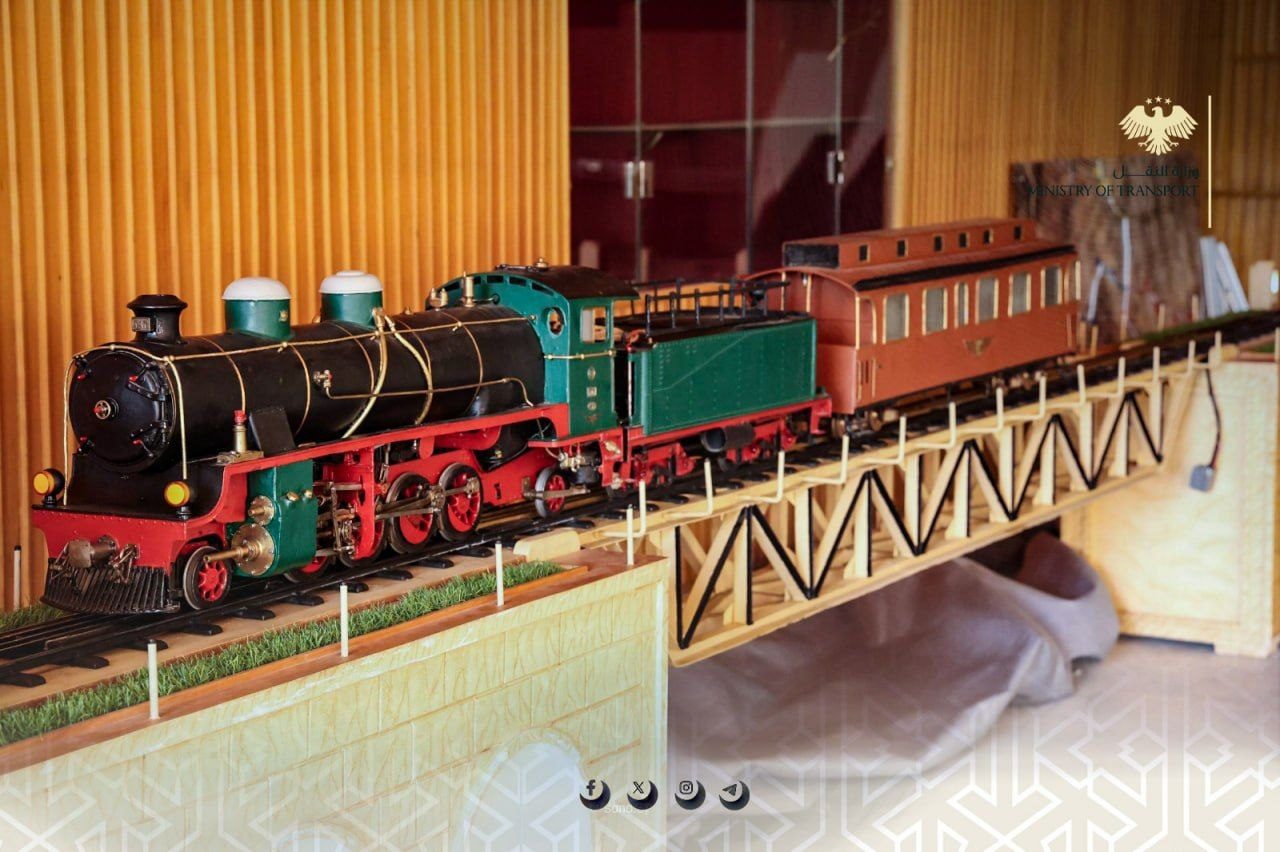
 In the heart of Damascus, inside the historic Qadam station, the Hijaz Railway Museum preserves the memory of one of the region’s most significant infrastructure achievements. Established in 2008 to mark the centennial of the railway’s first journey, the museum serves as a central archive of the Hijaz Railway’s legacy and its lasting place in regional history.
Operated by the Syrian General Establishment of the Hijaz Railway, the museum helps protect railway heritage while introducing new generations to the project’s historical and engineering significance. Its location inside one of Damascus’ historic rail stations adds to its role as both a cultural site and a living historical record.
Artifacts Tracing a Shared Past
The museum houses a broad collection of artifacts documenting the railway’s development and daily operations. Visitors can view vintage machinery, original engineering plans, rare administrative records and historic travel tickets. Maps detailing the railway’s route, stations and bridges help illustrate the scale of the line, while workshop tools from different periods show how the system was maintained over time.
Among the most notable exhibits are archival photographs, lanterns and Ottoman-era maps dating to the reign of Sultan Abdulhamid II, under whom the railway was first built. These materials capture the line’s vast geographic reach and the strategic importance it once held.
Other preserved items include antique telephones used for traffic coordination, Morse telegraph equipment, manual alarm devices, clocks, indicators and electrical testing meters once used to detect line faults. Together, the collection offers a clear view of how railway technology evolved across decades of service.
A particularly striking section focuses on historic travel routes, with old tickets from journeys that once linked Damascus to major cities across the region, including Haifa. That connection highlights the railway’s former importance in moving both passengers and goods through key commercial corridors.
Restoration Efforts After Years of Damage
In recent years, the museum suffered vandalism and theft that damaged parts of its collection. Authorities later launched a broad rehabilitation plan aimed at preserving what remained and preparing the museum for reopening.
Specialized teams began cataloging surviving artifacts, assessing damaged items and starting restoration work. The rehabilitation also includes repairs to the museum building itself, with a focus on maintaining its historic architectural character.
During the restoration period, officials temporarily moved the collection to the Hijaz Station for safekeeping. Once the work is complete, the artifacts will be reorganized and fully documented before the museum reopens to visitors and researchers.
Preserving the Legacy of an Engineering Feat
The museum’s significance reflects the scale of the Hijaz Railway itself, one of the early 20th century’s most ambitious engineering projects. Spanning over 800 miles, the railway linked Damascus to Medina through present-day Jordan and the Hijaz (currently Saudi Arabia), sharply reducing pilgrimage travel times while strengthening regional ties.
The museum stands as more than a display of historical objects, it remains a cultural bridge between past and present, reinforcing the value of preserving shared heritage as part of identity, memory and long-term cultural development.