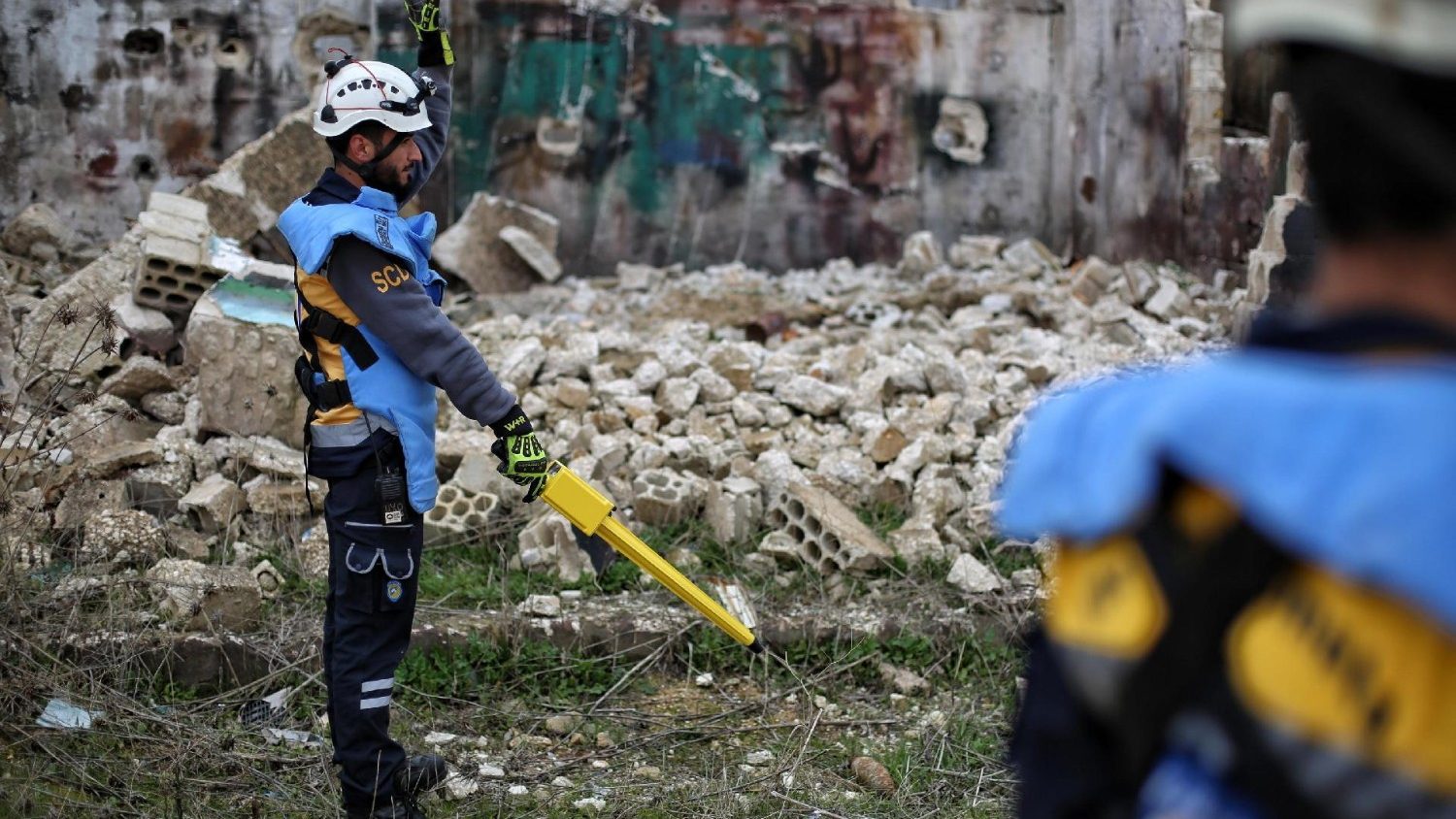
The Syrian Civil Defense reports it carried out 311 war-remnant removal operations during the first quarter of 2026, indicating the continued scale of explosive hazards facing civilians across the country. In a April 6 report, Civil Defense, operating under the Ministry of Emergency and Disaster Management, said its teams also identified 200 areas contaminated with unexploded ordnance (UXO) and other remnants of war between January and March.
The figures reflect an ongoing nationwide push to reduce civilian casualties in areas still scarred by years of conflict. Clearance teams have focused on locating hazardous zones, securing them and removing mines, shells and other unexploded devices continuing to threaten farmland, roads and residential areas.
Alongside field operations, the agency said it conducted 155 awareness activities during the same period. Those sessions aimed to educate residents, particularly in recently accessible areas, on how to recognize explosive remnants and respond safely when encountering suspicious objects.
Civilian Safety Campaigns Target High-Risk Areas
The combination of clearance work and public education has become a central part of Syria’s emergency response strategy, especially in communities where returning families face hidden dangers in homes, fields and public spaces. Civil Defense officials said the awareness campaigns are designed to reduce preventable injuries by teaching civilians not to touch unidentified objects and to report them to specialized teams.
The ministry observed demining units continue to work in multiple regions, pairing removal missions with local outreach in areas considered especially vulnerable. That dual-track approach comes as explosive remnants remain one of the leading long-term risks in post-conflict zones, often injuring civilians months or years after active fighting subsides.
Recent Blasts Evidence of Continuing Threat
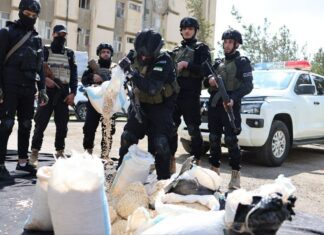
The latest quarterly figures come against the backdrop of continued deadly incidents involving war remnants, including among trained military personnel. Last Saturday, the Syrian Ministry of Defense said two soldiers were killed and others wounded while transporting mines that had already been dismantled in the Idlib countryside.
The incident coincided with the explosion of a vehicle belonging to engineering teams, leaving one person dead and 13 others injured. In a separate blast north of Raqqa, two additional soldiers suffered injuries when a mine detonated, according to authorities. Those incidents highlight the persistent danger posed even during controlled disposal and transport operations, reinforcing the complexity of the clearance effort.
Long-Term Challenge Across Syria
Civil Defense said its teams will continue working across Syria to identify dangerous zones and expand risk-awareness programs, with the goal of lowering the toll on civilians and response personnel alike. The first-quarter data points to a sustained operational tempo, but the recent military casualties also serve as a reminder that the danger extends well beyond front-line fighting. Even as clearance efforts advance, UXO remains a long-term humanitarian and security challenge in large parts of the country.