The Syrian Network for Human Rights (SNHR) released two quarterly reports indicative of continuing abuses across Syria, documenting both unlawful killings and arbitrary detentions during the first three months of 2026. Together, the reports describe a security landscape still marked by civilian deaths, opaque detention practices and repeated violations by multiple actors.
In its unlawful killings report, SNHR said it documented the deaths of 268 civilians from January through March, including 43 children and 27 women. The total also included one person who died under torture, along with eight medical personnel and one media worker killed during the quarter.
The organization said this figure represents the minimum number of verified cases it was able to document, noting that logistical and financial obstacles continue to limit field monitoring. According to the report, 126 civilians were killed by gunfire from unidentified sources, while 57 were killed by the Syrian Democratic Forces (SDF).
Other deaths stemmed from land mines, bombings, unidentified assailants, Syrian government forces, remnants of the former Assad regime and ISIS. Aleppo recorded the highest number of civilian deaths, accounting for nearly 28% of the total, followed by Homs at roughly 15%.
Attacks on Civilian Sites Raise Alarm
Beyond the death toll, the killings report documented 17 attacks on civilian facilities, including schools, medical centers and a place of worship. SNHR attributed 10 of those attacks to the SDF, with the remaining incidents linked to unidentified projectiles, unknown actors and one attack by Syrian government forces.
The concentration of incidents in Aleppo, which saw nine such attacks, underscored what the network described as the continued vulnerability of civilian infrastructure even as the broader conflict has shifted in intensity.
SNHR called for independent investigations into all civilian killings, with special emphasis on deaths under torture and attacks on protected facilities. The group also urged expanded mine-clearance funding and stronger international support for evidence preservation and future accountability efforts.
Arrests Report Highlights Due Process Concerns
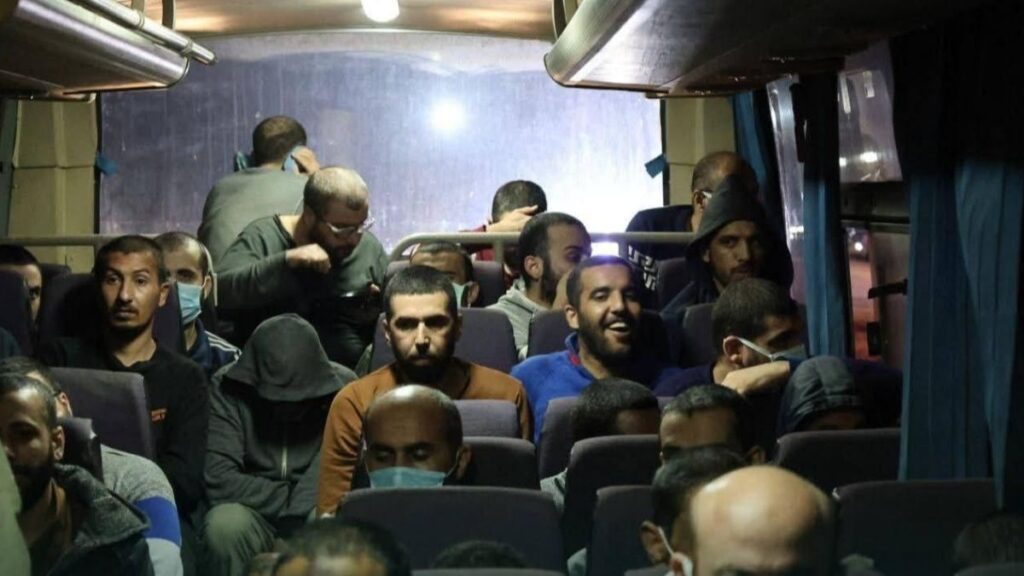
A separate SNHR quarterly report on arrests and detentions documented at least 210 cases of arbitrary arrest and detention during the same period, including 11 children and three women. The report also recorded 512 releases from detention facilities across Syria.
According to the report, Syrian government forces were responsible for 122 arrests, followed by 46 by Israeli forces and 42 by the SDF. February accounted for the largest monthly increase, representing about 37% of the quarter’s total. SNHR said Deir Ezzor and Quneitra recorded the highest number of arrests, followed by Homs, Tartus and Hasaka.
The report separately documented 59 detentions linked to the prosecution of individuals accused of violations under the Assad regime. While SNHR described accountability for serious abuses as both a legal and moral obligation, it raised concerns that authorities did not appear to disclose arrest warrants, charges or timely access to legal counsel in many cases. That lack of transparency, the group said, risks undermining the credibility of transitional justice efforts.
Calls for Accountability Across All Parties
SNHR’s recommendations in both reports centered on due process, civilian protection and international oversight. It urged Syrian authorities to require judicial warrants for arrests, publish detainee lists and allow unrestricted access to detention sites for international monitors, including the International Committee of the Red Cross.
The organization also called on the SDF, Israeli forces and all actors controlling territory in Syria to end arbitrary detention, disclose detainees’ whereabouts and release those held for exercising civil or political rights.
Taken together, the two reports suggest that while Syria’s conflict has entered a different phase, the risks facing civilians remain deeply entrenched. The findings point not only to persistent violence, but also to the fragile legal and institutional conditions shaping the country’s transitional period.