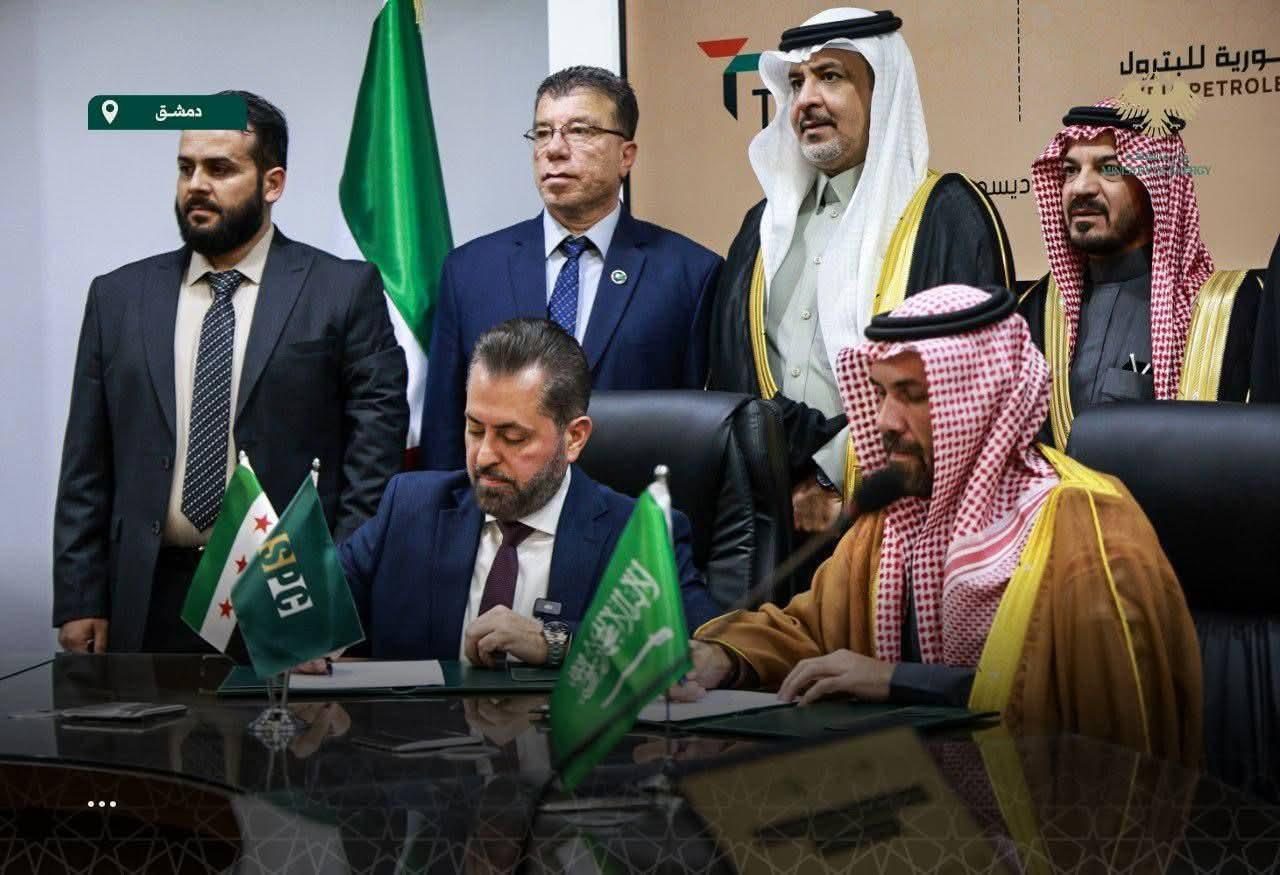
 The Syrian Petroleum Company (SPC) signed an implementation contract with Saudi-based ADES Holding to develop gas fields in central Syria, marking a major step in efforts to raise production and modernize energy infrastructure. The signing ceremony took place in Damascus with representatives from both sides, indicating a shift from planning and negotiations to on-the-ground execution.
ADES, a major Saudi drilling services provider with extensive regional operations, brings significant technical capacity to the project. Officials described the agreement as part of Syria’s broader strategy to revitalize the gas sector and strengthen long-term energy security.
Technical Services and New Exploration
The contract covers a broad package of technical services, including maintenance and development of existing wells, rehabilitation of damaged infrastructure in targeted fields and the drilling of new exploratory wells aimed at unlocking untapped reserves.
It also includes the introduction of updated drilling and production technologies improving extraction efficiency, alongside programs focused on transferring technical expertise to Syrian personnel. The combination of rehabilitation and exploration is intended to stabilize near-term output while opening the door to new reserves in the central region, particularly around Homs.
Production Targets Set Through 2026
Safwan Ahmad, director of institutional communications at SPC, said the agreement follows a defined timeline for boosting production. He said output is expected to rise gradually by 20-25% within six months, with a total increase of 50% from current production levels targeted by the end of 2026.
Ahmad described the ADES agreement, which follows an existing deal, as more than a technical services deal, calling it a strategic turning point in Syria’s effort to strengthen energy sovereignty, develop natural resources in the central region and expand exploration into new gas fields. He said the project is laying the groundwork for a new phase of qualitative exploration that could significantly widen Syria’s production horizons.
Electricity Supply and Industry Expected to Benefit
Officials say the projected increase in gas production could ease the fuel deficit affecting power generation plants, improve electricity supply hours across multiple provinces and support the stability of the national grid.
Additional gas volumes are also expected to benefit the industrial sector by improving energy availability, reducing pressure on public finances and helping stabilize supply chains directly affecting daily life. SPC said the initiative is intended to position gas as a primary driver of sustainable development and comprehensive energy security.
Part of a Wider Foreign Investment Push
The ADES contract forms part of a wider campaign to attract foreign investment into Syria’s energy sector. Recent agreements and memorandums have involved international companies including Chevron, ConocoPhillips, Dana Gas, Eni and BP, alongside ongoing discussions with additional regional and global firms. Together, these partnerships reflect a broader push to increase production capacity, tap undiscovered reserves and accelerate Syria’s energy-sector recovery through international technical cooperation.