
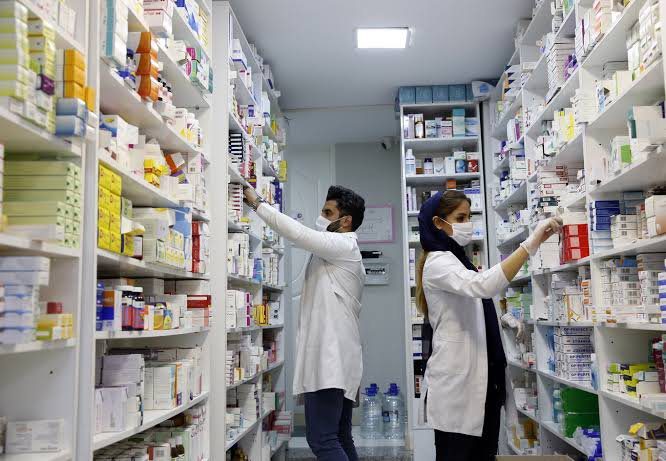
 Syrian pharmaceuticals are returning to international markets as exports expand to 22 countries, according to the Ministry of Health, signaling renewed momentum for one of the country’s long-established industrial sectors.
The pharmaceutical industry has historically served as a core pillar of Syria’s health care system, supported by decades of local manufacturing expertise. After years of conflict disrupted production and supply chains, officials now say the sector is regaining both regional and broader international reach.
Hani Baghdadi, director of drug control at the Health Ministry, said the export recovery is part of a broader ministry strategy aimed at capitalizing on Syria’s manufacturing experience and restoring confidence in local medicinal products. He said Syrian-made medicines reached 22 foreign markets by 2025, marking a notable step in the sector’s recovery.
Reforms Speed Market Access
Baghdadi said the drug control sector has recently undergone what he described as a “major improvement” in both oversight and field performance. According to him, the changes have helped speed drug availability, improve the quality of locally produced medicines and strengthened the safety of products circulating in the domestic market.
He said the ministry introduced several regulatory measures supporting those gains, including faster product release procedures and a revised mechanism designed to move pharmaceutical preparations to market more quickly.
Faster Supply Chains and Aid Distribution
Officials also pointed to efforts reducing administrative burdens on manufacturers and suppliers. Baghdadi said coordination between drug control directorates and pharmaceutical laboratories has been streamlined to help maintain supplies of essential medicines. Revised workflows have shortened the time needed to release and distribute humanitarian aid medications and clear incoming pharmaceutical shipments for beneficiary organizations.
He said closer coordination with border crossings and customs authorities has accelerated the import of raw materials and finished pharmaceutical products while improving export procedures. At the same time, the ministry simplified regulatory requirements without changing technical or legal standards, while adopting clearer administrative procedures intended to improve transparency and speed.
Focus on Manufacturing Standards
Baghdadi said the ministry continues to monitor factory compliance with good manufacturing practices through intensified inspection visits to factories and health facilities. He said authorities are also addressing violations conflicting with pharmaceutical production standards as part of efforts to maintain confidence in Syrian-made medicines. The latest measures reflect a wider push to meet domestic pharmaceutical needs while rebuilding Syria’s presence in foreign markets through stronger regulation, improved logistics and closer oversight of manufacturing quality.