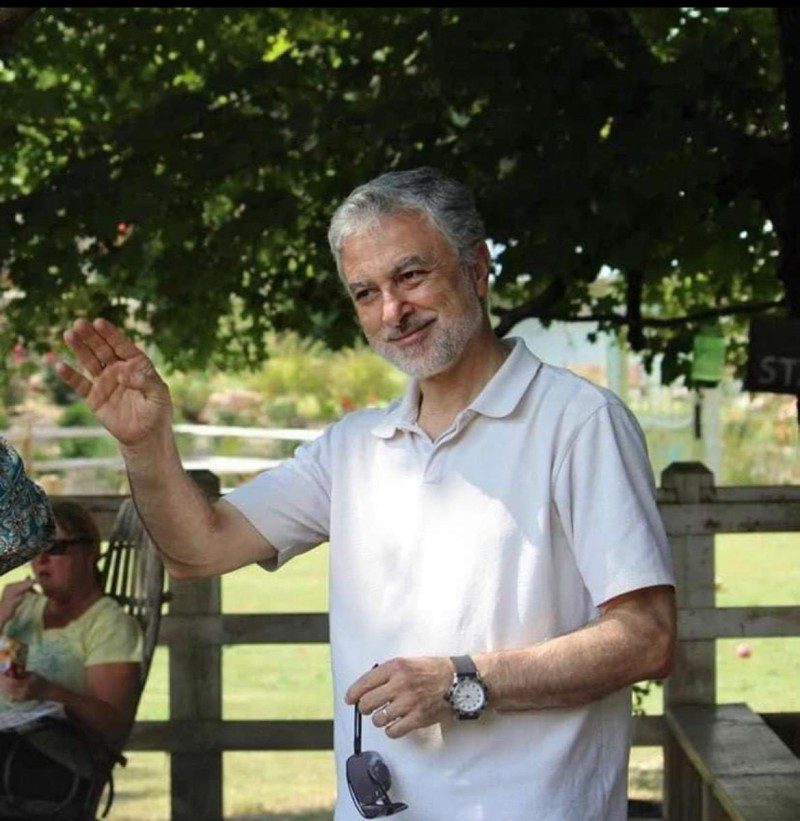
A US District Court judge in Washington entered a default judgment against the former Assad regime, holding it responsible for the 2017 abduction, arbitrary detention, torture and killing of Syrian-American psychotherapist and humanitarian worker Dr. Majd Kamalmaz.
The court awarded his family and estate $134.29 million, including $67.145 million in compensatory damages and an equal amount in punitive damages under the state sponsor of terrorism exception to the Foreign Sovereign Immunities Act.
The ruling, issued April 8 by the US District Court for the District of Columbia, formally states that the former Assad regime was responsible for Kamalmaz’s disappearance and death in custody. The decision marks one of the most significant civil judgments involving an American citizen killed in Assad’s prison system since the start of the Syrian revolution.
Seized While Delivering Aid
Kamalmaz, 59, was detained on Feb. 15, 2017, at a checkpoint in Damascus while visiting relatives and delivering humanitarian aid to civilians affected by the war. Family members said he had no political affiliation and had previously opened a psychiatric clinic in Lebanon to treat Syrians from all sides of the conflict. He was later transferred to security detention centers long associated with torture and abuse.
Although his relatives spent years seeking information about his whereabouts, the US government did not confirm his death until 2024, concluding he had likely been killed early in his detention. The court’s award includes damages tied to the suffering Kamalmaz endured in custody, as well as punitive damages designed to punish and deter similar conduct.
Pressure Builds for Criminal Accountability
The family’s legal team described the judgment as a major step toward accountability. Lead attorney Kirby Behre said the ruling “formally recognizes the Assad regime’s responsibility” for Kamalmaz’s abduction, torture and death.
Mouaz Moustafa, executive director of the Syrian Emergency Task Force (SETF), said the decision sends a broader message that those responsible for torturing and killing civilians can still face consequences. He urged the US government to build on the civil case by opening a criminal investigation into the officials involved.
The judgment also lands amid wider international efforts to prosecute former Syrian officials and allied militia figures in Europe, including recent proceedings in Germany and the UK involving allegations of crimes against humanity tied to the years of the Syrian revolution.
For Kamalmaz’s family, the ruling does not end the search for full justice. But it places a clear legal finding on the record: the Assad regime bears responsibility for the death of an American doctor who entered Syria to help others.