The House of Representatives voted Wednesday to repeal the Caesar Syria Civilian Protection Act, a sanctions law that shaped US policy toward Damascus since 2020. The measure passed 312 to 112 as part of the $900 billion National Defense Authorization Act, which includes a 3.8% pay raise for military personnel and new oversight provisions for the Pentagon. The repeal language survived internal Republican disagreements after some members sought to tie the move to new conditions on the Syrian government.
The bill now heads back to the Senate, where Republicans hold a comfortable majority. If passed, it will move to the president for final approval. Lawmakers involved in the negotiations said the repeal would take effect on January 1, 2026, permanently ending the sanctions framework created during President Donald Trump’s first term.
House Foreign Affairs Committee Chairman Brian Mast said during debate that the chamber aimed to reset Washington’s approach to Syria. “We will remove the sanctions on Syria, which were primarily due to Bashar al-Assad’s regime and its torture of its people,” Mast said. “We will give Syria a chance to move forward into a post Assad future.”
Spontaneous National Celebrations
News of the repeal resulted in widespread celebrations across numerous Syrian cities, where people took to the streets. Celebrants marched, waving Syrian flags, firing fireworks and hailing the announcement of the news as an “economic victory day.”
Local security forces asked celebrants to return home as the impromptu gatherings and marches disrupted traffic and peace and posed risk to public safety with large crowds flooding streets and chanting loudly and deploying fireworks.
What Repeal Means for the Caesar Act
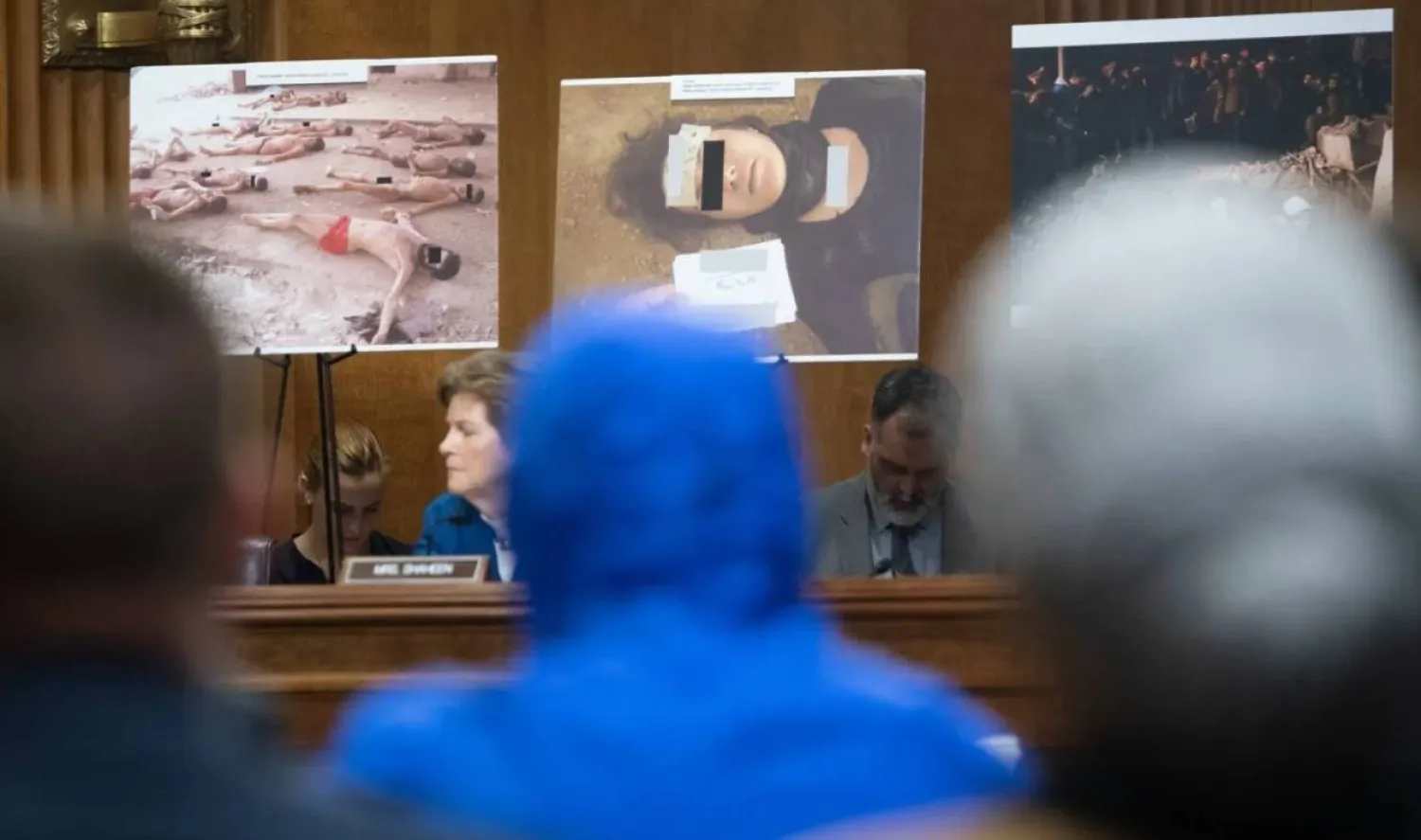
Congress passed the Caesar Act in 2019, naming it after a Syrian military forensics photographer, code-named Caesar, who defected with roughly 55,000 images documenting the torture and killing of detainees. The law authorized sanctions on “Syrian government institutions” and any “foreign entity providing support through financial, technological or material assistance.” It also targeted sectors such as oil and gas, aviation, transportation and reconstruction in areas controlled by Damascus.
The House vote removes those restrictions without binding conditions. Muhammad Alaa Ghanem, head of political affairs at the Syrian American Council (SAC), confirmed the repeal language passed without qualifiers. He called the House vote “the most difficult vote, and it ended,” noting that the Senate and presidential steps remain.
Farouk Bilal, SAC president, told the New Arab that the repeal will lift sanctions “without any conditions,” although lawmakers included nonbinding expectations. These include cooperation against the ISIS group, ensuring that Iran does not expand its presence in Syria and avoiding threats to neighboring states. Bilal said failure to meet those expectations could lead to targeted sanctions but not reinstatement of the original law.
Potential Impact on Reconstruction
Bilal said many investment agreements have stalled in recent months because of the sanctions. With repeal advancing, he expects immediate activity once the law is officially lifted. He said long term gains could include reconstruction work, improved health and education services, and better security conditions that might help stabilize communities and support returning refugees. Analysts project possible increases in oil prices and investments in Syria, with a 5% to 7% annual increase in revenue by 2027.
While some congressional detractors fear “unconditional repeal” may result in corruption without strict oversight supporters of repeal said the shift gives Syria an opportunity to rebuild after years of conflict. Representative Joe Wilson, a member of the House Foreign Affairs Committee, said Trump emphasized “the need to respect Syria’s sovereignty and territorial integrity.” Wilson credited the administration for backing the effort and said he would continue working with US envoy Tom Barrack to “give it a chance.”