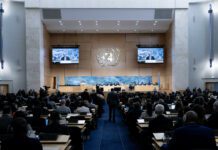
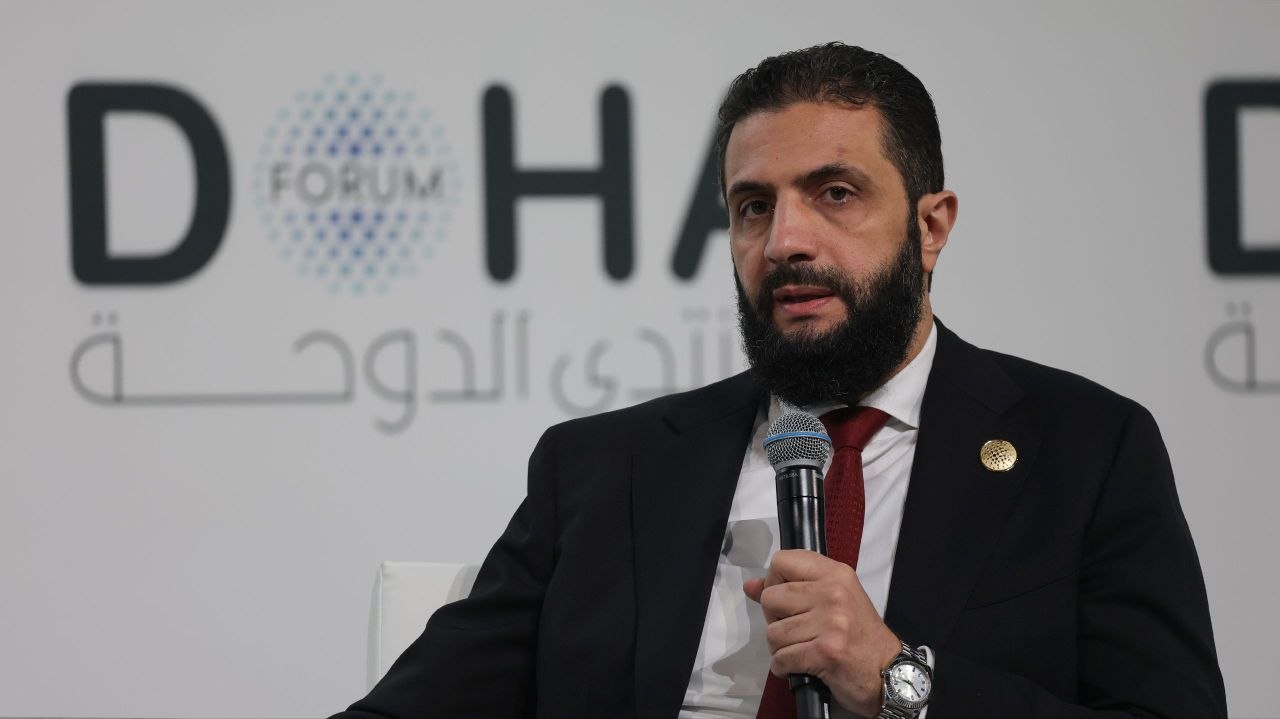
 At the Doha Forum, President Ahmad al-Sharaa addressed sensitive files related to Syria’s negotiations with Israel, internal reconciliation efforts, transitional justice mechanisms, and the economic challenges inherited from past governance. His remarks presented a comprehensive picture of how the post-liberation government intends to navigate both domestic and international pressures while maintaining a unified national vision.
Syria and Israel: From Confrontation to Negotiation
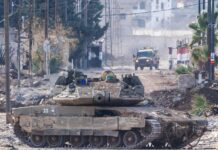
Sharaa accused Israel of exporting crises and attempting to deflect attention from the massacres committed in Gaza. He stated that since liberation, Syria has consistently sent positive messages aimed at promoting stability, yet Israel responded with over a thousand airstrikes and hundreds of incursions, including the recent attack on Beit Jinn in Damascus countryside that over a dozen. He confirmed that negotiations with Israel are underway with US involvement but emphasized that any agreement must protect Syrian sovereignty and interests.
All countries engaged in the issue support Syria’s demand for withdrawal from all occupied lands post December 8. Sharaa insisted that any agreement must secure Syria’s interests, particularly given its exposure to repeated Israeli attacks. He reiterated Syria’s adherence to the 1974 Disengagement Agreement and questioned who would guarantee the demilitarized zone if not the Syrian army.
Domestic Stability and Transitional Justice
Turning to internal affairs, the President contrasted the current situation with the previous era, asserting that Syria has transitioned to a new system of governance fundamentally different from its predecessor. He described the country as being on a positive trajectory toward stability and economic recovery and argued that Syrians now live without fear.
He noted the massive popular celebrations following the fall of the Assad regime as evidence of national unity and confidence. On reconciliation, he explained that amnesty and pardon have been prioritized since the earliest stages of the nationwide battle, viewing these measures as essential for a secure and sustainable future.
President Sharaa described the government’s approach to transitional justice, highlighting the formation of fact-finding committees into the issues of missing persons, events on the coast as well as in Suwayda, cooperation with international bodies, and the prosecution of perpetrators of crimes in coastal regions and Suwayda.
He stressed the importance of developing a state grounded in law and institutional strength, distancing Syria from sectarian models. He portrayed the Syrian people as educated and aware, affirming that they provided an example of coexistence and civil peace during the revolution.
Economy, Sanctions, and the Path Ahead
Addressing economic challenges, the President said that recovery is directly linked to stability and reiterated ongoing efforts to persuade the US to repeal the Caesar Act. He expressed optimism, noting that the Trump administration supports the process of lifting sanctions and that much of the international community is also moving in that direction.
Concluding his message, he said that Syria’s current difficulties are “a collective legacy,” stressing that the government addresses them with wisdom rather than revenge. He affirmed that the present government represents all Syrians on the basis of competence rather than quotas and that Syria is now on a path from which others may learn how nations rebuild after crises and wars.