 As part of broader national reforms in Syria, the Syrian Atomic Energy Commission (SAEC) continues playing a central role in safeguarding public health and the environment from radiation risks, while supporting key sectors with advanced technologies.
Supporting Medical Sterilization and Food Safety
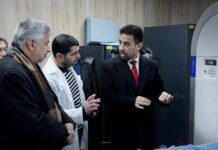
The Commission’s irradiation plant remains fully operational, providing essential services to both the medical and food sectors. Its primary functions include sterilizing medical supplies and preserving food products through radiation technology.
According to official statements, the facility relies on gamma rays generated from the Cobalt-60 isotope. This widely adopted and internationally recognized method ensures effective sterilization by applying carefully controlled radiation doses.
The entire process is closely monitored by specialized microbiology and dosimetry laboratories, in line with global safety standards. In 2025, the plant processed approximately 480 tons of materials, including 200 tons of medical supplies and 280 tons of food products.
These results highlight the growing importance of radiation technology in improving the safety of medical materials and extending the shelf life of food products. To maintain transparency and quality assurance, the Commission issues official certifications for all irradiated materials, reinforcing its commitment to international safety and quality benchmarks.
Enhancing Safety in the Oil and Gas Sector
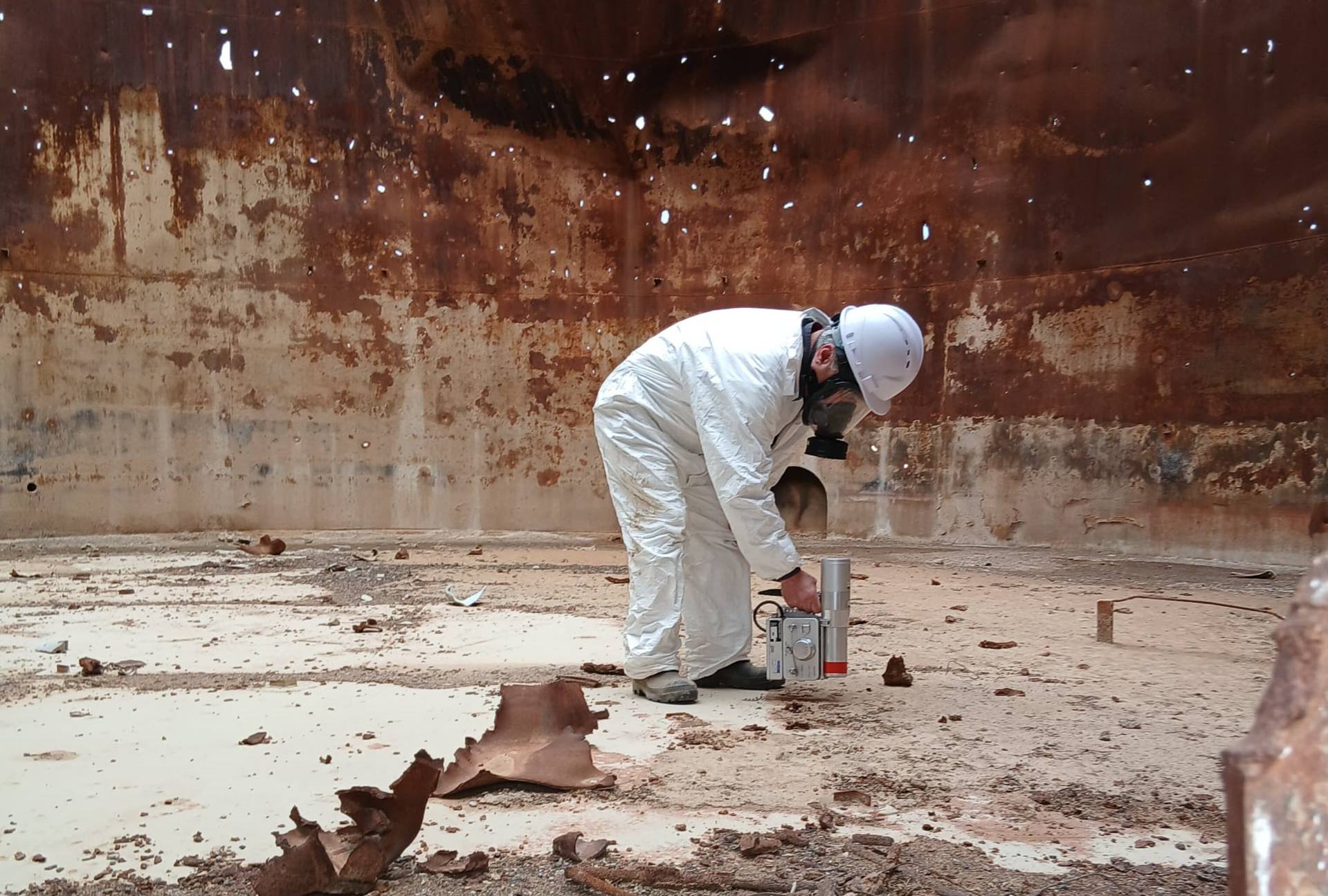
In a parallel development, SAEC Director General Mudar al-Aklah announced a new agreement with the Syrian Gas Company aimed at strengthening radiation safety measures in the energy sector. The agreement focuses on managing Naturally Occurring Radioactive Materials (NORM), which are commonly associated with oil and gas operations. Initial steps include comprehensive radiological surveys across production and service sites, as well as detailed risk assessments.
Based on these findings, a long-term action plan has been developed to address both immediate and future challenges. Key measures include implementing radiation protection protocols, ensuring safe handling and storage of contaminated waste, and preventing environmentally harmful disposal practices. The plan also emphasizes strict adherence to national regulatory standards and includes training programs raising worker awareness about safely managing radioactive materials.
Building a Culture of Safety and Scientific Development
Beyond operational measures, the SAEC aims to integrate nuclear sciences into education and research as part of Syria’s broader reconstruction efforts. This includes developing qualified human resources, improving scientific and healthcare services, and fostering a culture of radiation safety grounded in international best practices.
Through these initiatives, Syria is working to leverage advanced technologies not only to enhance public health and industrial safety but also to support long-term sustainable development.