 Official sources confirmed the issuance of four presidential decrees establishing colleges of Islamic jurisprudence and studies in the public universities of Homs, Hama, Latakia, and Deir Ezzor, adding to the existing faculties of Islamic Law already operating in other Syrian universities. This step is part of a broader national strategy to create new colleges, specializations, and departments across the country.
The goal is to allow students to pursue their studies within their home provinces, easing administrative burdens and eliminating the need for them to enroll in distant universities and shoulder the financial and logistical difficulties related to travel and accommodation. While the decrees formally establish the legal framework for these new faculties, their actual opening will depend on the provision of funding, accreditation, the appointment of qualified faculty, and the preparation of necessary facilities and supplies.
Expansion of Higher Education Offerings
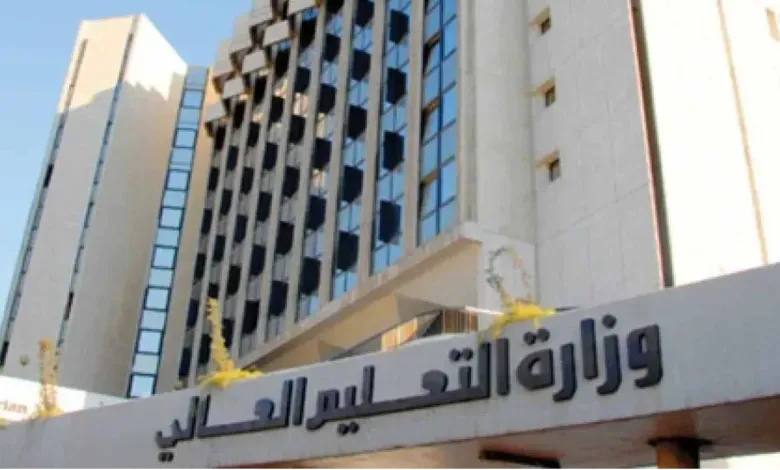
Alongside these decrees, the Ministry of Higher Education and Scientific Research issued several decisions aimed at reshaping the academic landscape for the current academic year. These decisions include the opening of new faculties and departments, the temporary suspension of student intake in certain colleges, and the granting of recognition to a number of foreign universities.
Among the most notable updates are the inauguration of a Turkish Language Department within the Faculty of Arts and Humanities at the University of Aleppo, the opening of a Psychology Department within the Faculty of Education at the Quneitra branch, and the establishment of a Faculty of Health Sciences at the University of Aleppo.
Additional approvals were granted for a second Faculty of Economics, a second Faculty of Law, a second Faculty of Education, and a second Faculty of Arts and Humanities in the city of Azaz in Aleppo Governorate. It is also noteworthy that a Turkish Language Department opened this academic year within the Faculty of Arts and Humanities at the University of Damascus.
Strategic Goals: Employability and Cultural Exchange
The decision to introduce new language departments stems from a strategic vision that aims to strengthen academic diversity, develop cultural competencies, and align education with the evolving needs of the job market. The creation of Turkish language departments, for example, seeks to provide an advanced educational environment enabling students to master languages with deep historical and cultural significance, improve their employability, and build bridges of cultural communication.
These recent decisions collectively serve the Ministry’s broader objectives of modernizing higher education, responding to labor market demands, regulating the operation of universities, and expanding academic opportunities for Syrian students both inside and outside the country. They also reflect Syria’s intention to cultivate academic and cultural linkages with various countries, thereby producing highly qualified graduates capable of engaging effectively with the wider world.