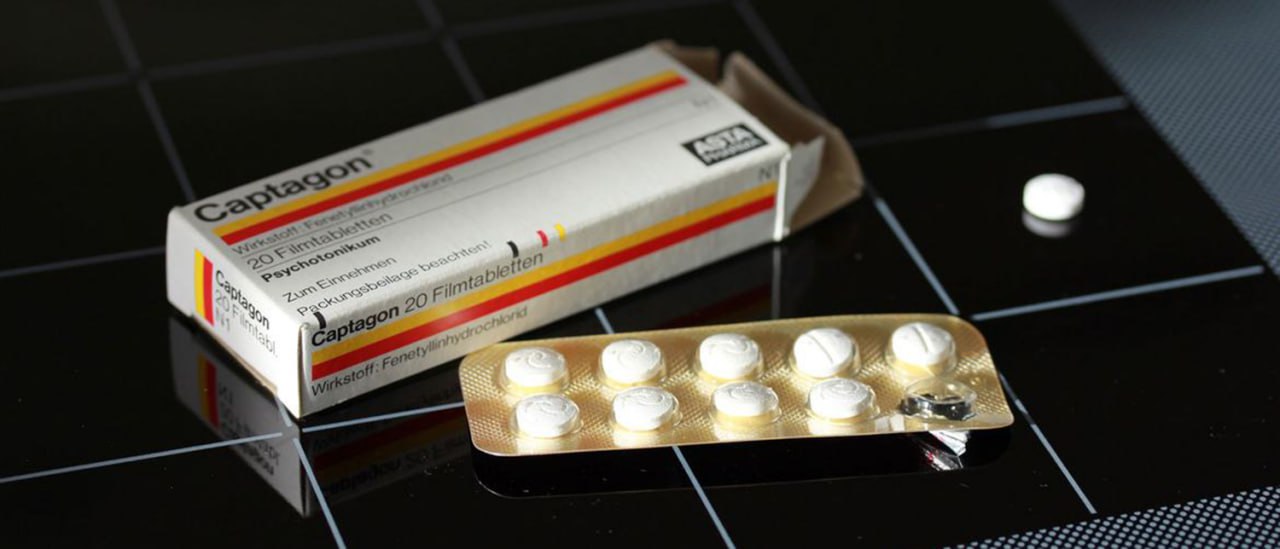
 The United Nations Office on Drugs and Crime (UNODC) confirmed a major shift in the fight against narcotics in Syria, announcing the disruption of large-scale Captagon production one year after the fall of the Assad regime. The announcement came in an official UNODC statement highlighting intensified national and regional cooperation to combat drug manufacturing and trafficking.
Tangible Achievements on the Ground
According to the UNODC, Syrian authorities have dismantled 15 industrial facilities used for Captagon production and 13 smaller sites used for storage since December 2024. The report noted that daily production under the Assad regime reached millions of tablets, highlighting the scale of the threat that has now been significantly reduced.
Bo Mathiasen, Director of Operations at UNODC, emphasized the decisive role of regional cooperation, particularly intelligence sharing and joint operations, which led to a record increase in drug seizures throughout 2025.
Beyond Enforcement: Prevention and Treatment
While praising enforcement and interdiction efforts, Mathiasen stressed the need for a comprehensive strategy to address the drug crisis. He called for the development of evidence-based prevention systems, alongside expanded treatment and rehabilitation services for those affected by drug abuse, in parallel with sustained security and border-control operations.
The Syrian Ministry of Interior welcomed the UNODC report, describing it as clear evidence of the effectiveness of recent security measures and a qualitative leap in regional and international cooperation against organized crime networks.
In an official statement, the Ministry reaffirmed its commitment to continuing its campaign against drug production and trafficking in all forms, while strengthening coordination with international partners, foremost among them the UNODC, to safeguard society and reinforce security and stability.
The National Campaign Continues
Syrian security forces continue to conduct operations across the country, seizing and destroying large Captagon stockpiles and arresting dozens of individuals linked to production and trafficking networks. Under the Assad regime, Captagon was produced on an industrial scale and exported to neighboring countries and beyond.
This ongoing effort represents a significant turning point in confronting a drug trade that for years fueled instability, financed conflict, and inflicted deep social harm, offering renewed hope for long-term recovery and public safety.