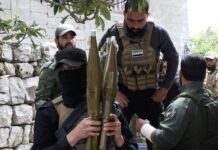
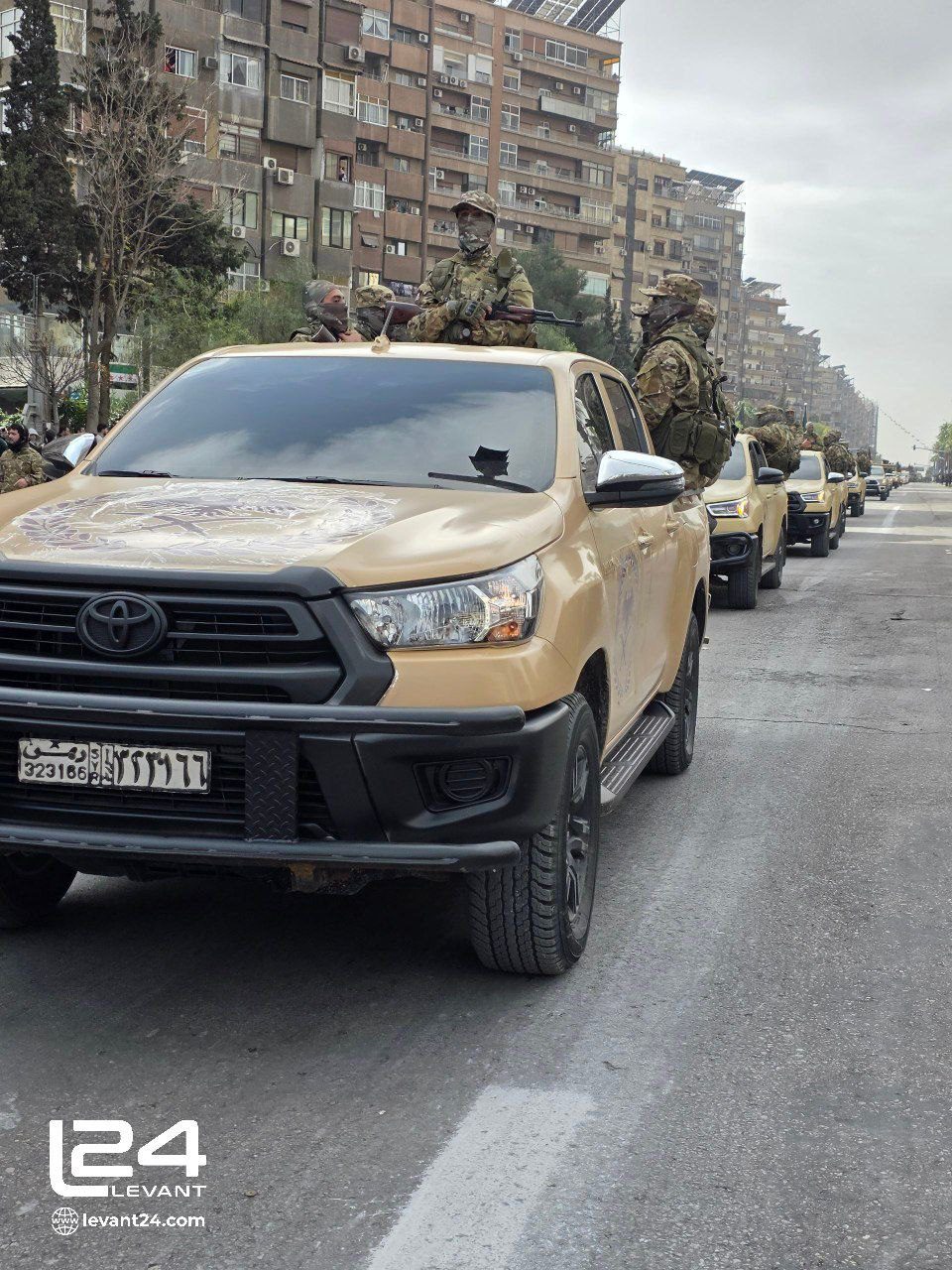
Fighting in northern Aleppo has intensified this month as Syrian government forces prepare to launch a limited security operation following weeks of escalating attacks near neighborhoods held by the Syrian Democratic Forces (SDF). Damascus says the operation aims to curb violence, protect civilians and restore basic security after what authorities describe as repeated violations of prior agreements.
According to Syrian authorities, over 350 attacks were recorded between December 2025 and January 2026, including sniper fire, artillery, mortar strikes and drone attacks. Officials say at least 45 civilians were killed and more than 150 wounded during that period, with daily life and trade severely disrupted in areas such as Sheikh Maqsoud, Ashrafieh and Bani Zaid.
The operation focuses on northern Aleppo neighborhoods and critical routes, including Castello Road, which authorities say has been repeatedly targeted. The Syrian Army has also imposed a curfew in Sheikh Maqsoud, Ashrafieh and Bani Zaid, warning civilians to stay away from SDF positions ahead of targeted military action expected to take place today 1:30 pm local time January 8.
Disputed Agreements and Ongoing Negotiations
The escalation follows disputes over the implementation of agreements, the national March 10 deal and the April 1 Aleppo agreement. Syrian officials say the agreements required the withdrawal of heavy weapons from Aleppo and an end to armed activity inside the city, commitments they argue were not upheld.
The Public Relations Department of the Internal Security in Aleppo said the state pursued multiple initiatives to ensure the success of the agreements but accused SDF leadership of delay and repeated violations leading to civilian casualties.
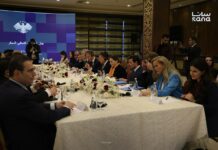
The SDF and its political wing reject those claims. Majid Kerroo, a representative of the Syrian Democratic Council (SDC) in the Netherlands, said allegations of escalation were “unfounded” and blamed factions positioned on the outskirts of the neighborhoods for initiating the violence. Kerroo said neither the March nor April agreements had been fully implemented and confirmed that negotiations were ongoing to halt the fighting. “We consider the political path to be the first and last option for us,” Kerroo said, emphasizing dialogue and Syrian unity.
Humanitarian Impact and Civilian Measures
The humanitarian toll has grown rapidly. The United Nations Office for the Coordination of Humanitarian Affairs (OCHA) reported that since January 6 at least five civilians, including two women and a child, were killed and at least 27 others injured. OCHA said about 30,000 people were displaced, most of them within Aleppo or toward Afrin, while several hospitals were damaged or forced out of service.
Syrian authorities say they opened humanitarian corridors and shelters to evacuate civilians. The Syrian Civil Defense reported evacuating thousands of residents from Sheikh Maqsoud and Ashrafieh, providing first aid and transport to shelters or host communities. Aleppo’s Governor Azzam al-Gharib announced the extension of school and university closures, citing public safety concerns, and formed a central committee to monitor the situation of displaced families.
Amid the fighting, Syrian Kurdish groups have urged restraint. The Association of Independent Syrian Kurds warned the SDF against targeting civilians, holding the group and its “military arms” responsible for the recent escalation and violence, it also called on all sides to avoid using residents as leverage. Despite the renewed clashes, both government officials and SDF representatives say dialogue remains possible, even as conditions on the ground continue to deteriorate.