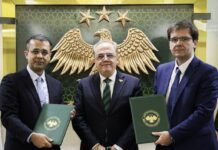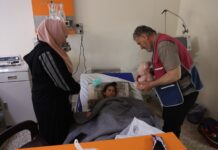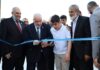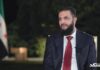
 In a step aimed at bolstering essential healthcare services, Syria’s Minister of Health, Dr. Muhammad al-Ali, inaugurated a dialysis center in the city of Marrat Numan in the southern Idlib countryside. As the first facility of its kind in the region, the project is being hailed as a “true turning point and a new source of hope for thousands of patients.” While it carries the promise of relief, it simultaneously raises critical questions about its capacity to meet the ever-growing needs of the population.
A State-of-the-Art Health Achievement
Dr. Samer Aradi, the Director of Health for Idlib Governorate, explained that the center spans 400 square meters and is equipped with 27 hemodialysis machines distributed across four wards. Notably, two of these wards are dedicated to patients suffering from Hepatitis B and C. He highlighted the center’s capacity, stating that “the operational capacity of these machines reaches 2,400 sessions per day based on shift scheduling,” with a plan to operate five daily shifts around the clock if needed.
Echoing this, Mr. Abdulsalam al-Amin, Director of the Office of the sponsoring organization, confirmed that the center “serves approximately 450,000 citizens in the Maarat al-Numan city and its surrounding countryside.” He noted the number of registered patients by opening day had reached around 300, the vast majority of whom are residents of the camps in the northern part of the region.
Testimonies from the Heart: Joy Intertwined with Anguish
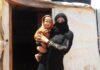
Despite the overwhelming joy surrounding this achievement, the voices of patients emerge, narrating a painful reality. Muaz al-Mustafa, a resident of the village of Maarshmarin, shared his relief, “I suffered greatly from having to travel to Idlib city for my dialysis sessions… the opening of this center has saved me the hardship of travel.” However, this relative comfort does little to mask a deeper, daily struggle.
Abu Ahmad, a patient residing in Kafr Sajnah camp, recounted his bitter ordeal to Levant24, “Life in the camp is miserable. We are supposed to pay rent of one hundred dollars, but we don’t have it… The distance [to the center] is great, and for each dialysis session, I have to rent a car for a thousand Turkish lira. I have three sessions a week.”
He added with deep sorrow, “The medication a kidney patient needs isn’t available… like Klaskar and Epoetin.” He pointed out that the center only provides painkillers and IV fluids, while the Epoetin injection costs eight dollars each, which patients must purchase themselves. He continued, stating every patient in the camps has accumulated debts exceeding three thousand dollars.
Umm Muhammad, another dialysis patient, described an even more complex situation to Levant24, “We suffer from an acute shortage of medications and dialysis filters… Each session can cost us 10 or 15 dollars, and over a month, it adds up to over 100 dollars, not including the cost of medicines.” She continued, “Yes, the dialysis sessions are regular, but there is a severe shortage of medications and equipment.”
Between Official Promise and Lived Reality
The opening of this center represents a significant step in alleviating the suffering of kidney patients, especially with the increasing number of returnees to their areas after years of displacement. However, patient testimonies reveal major challenges requiring urgent intervention: ensuring a consistent supply of medications and medical consumables, providing transportation for patients residing in distant camps, and offering financial support to ease their mounting economic burdens. The question remains, is the inauguration of such centers sufficient on its own, or does the real battle begin with ensuring the sustainability of quality and efficient services? Only time will tell.