 “Do not commit injustice when you are powerful, for injustice will eventually bring regret.” With these words begins the story of Fakhruddin al-Arian, a former appellate judge who rose through Syria’s judiciary during the Assad-era before confronting what he described as escalating violations within the system.
By 2013, he publicly announced his defection in a recorded statement, saying a judge could not remain silent in the face of injustice. The decision carried severe consequences. Authorities sentenced him to death in absentia and confiscated his property.
Still, Arian continued his legal work in the liberated areas, where he helped establish alternative judicial frameworks and documented alleged abuses. Supporters described these efforts as laying the groundwork for future accountability.
Building a Record of Violations
Legal observers say Arian’s work during that period focused on preserving evidence and maintaining legal processes outside state institutions. Lawyer Khalid al-Mufti, told Levant24, the judge’s defection represented “a return to the essence of law,” emphasizing the need for transitional justice and accountability for those accused of corruption or complicity.
As the conflict evolved, Arian’s role shifted from dissident judge to a figure associated with documenting violations and advocating for legal redress. His name became linked to broader calls for reform within Syria’s judicial system.
Return to Damascus and New Role
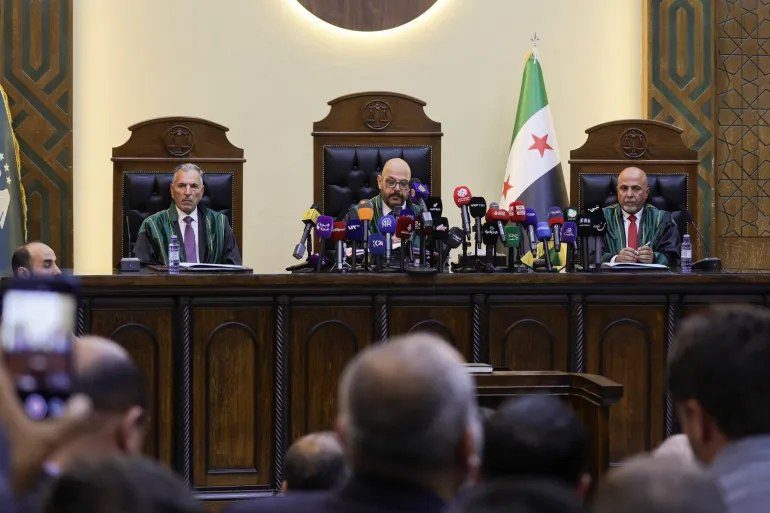
Following political changes and efforts to rebuild state institutions, authorities reinstated several defected judges. Arian returned to Damascus and now heads a criminal court tasked with prosecuting figures tied to the Assad regime.
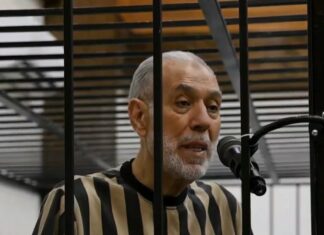
Cases under his oversight reportedly include proceedings against senior officials such as Atef Najib, as well as trials in absentia involving Bashar al-Assad and Maher al-Assad. The development marks a notable reversal for a judge once pursued by authorities who now presides over cases against pillars of the very same regime that once tried him.
For some, the shift carries symbolic weight. Levant24 spoke to Fahd al-Atiyah, who said he suffered under Assad’s policies, described the moment as “a correction of history’s course,” reflecting broader expectations for justice.
Transitional Justice and Public Response
Legal consultant Ahmad al-Olayan told Levant24 current proceedings represent an early phase of transitional justice, which includes uncovering facts, prosecuting alleged crimes and addressing victims’ rights. He also called for new legislation addressing cases involving missing persons and abducted children.
Public reaction has been visible on social media, where some users framed the developments as long-awaited accountability. Others pointed to the broader implications for rebuilding trust in legal institutions.
Arian, in a recent public message, said the proceedings aim to address years of alleged abuses, including killings, detention and displacement. His remarks echoed a wider effort to acknowledge victims and document grievances.