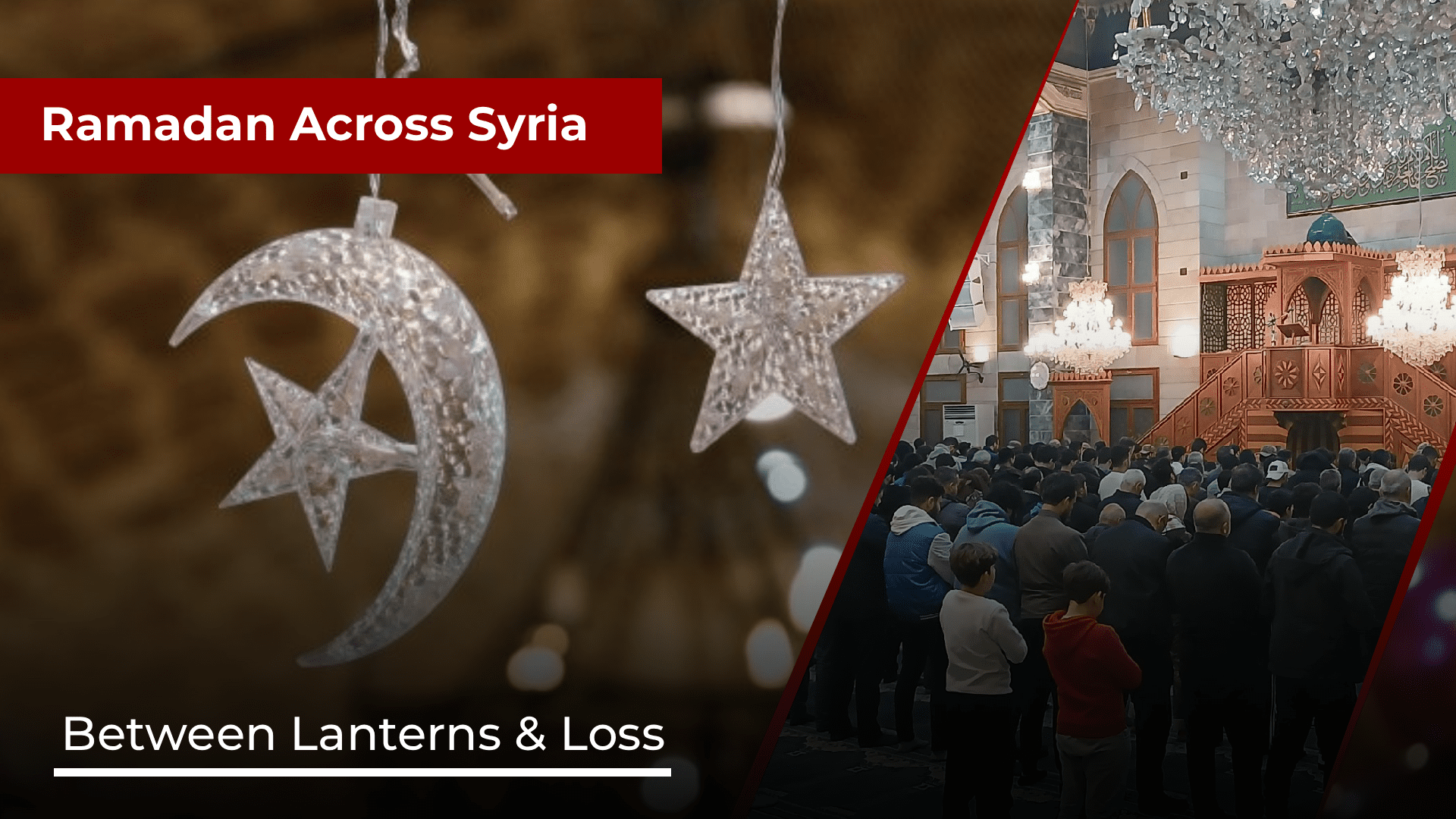
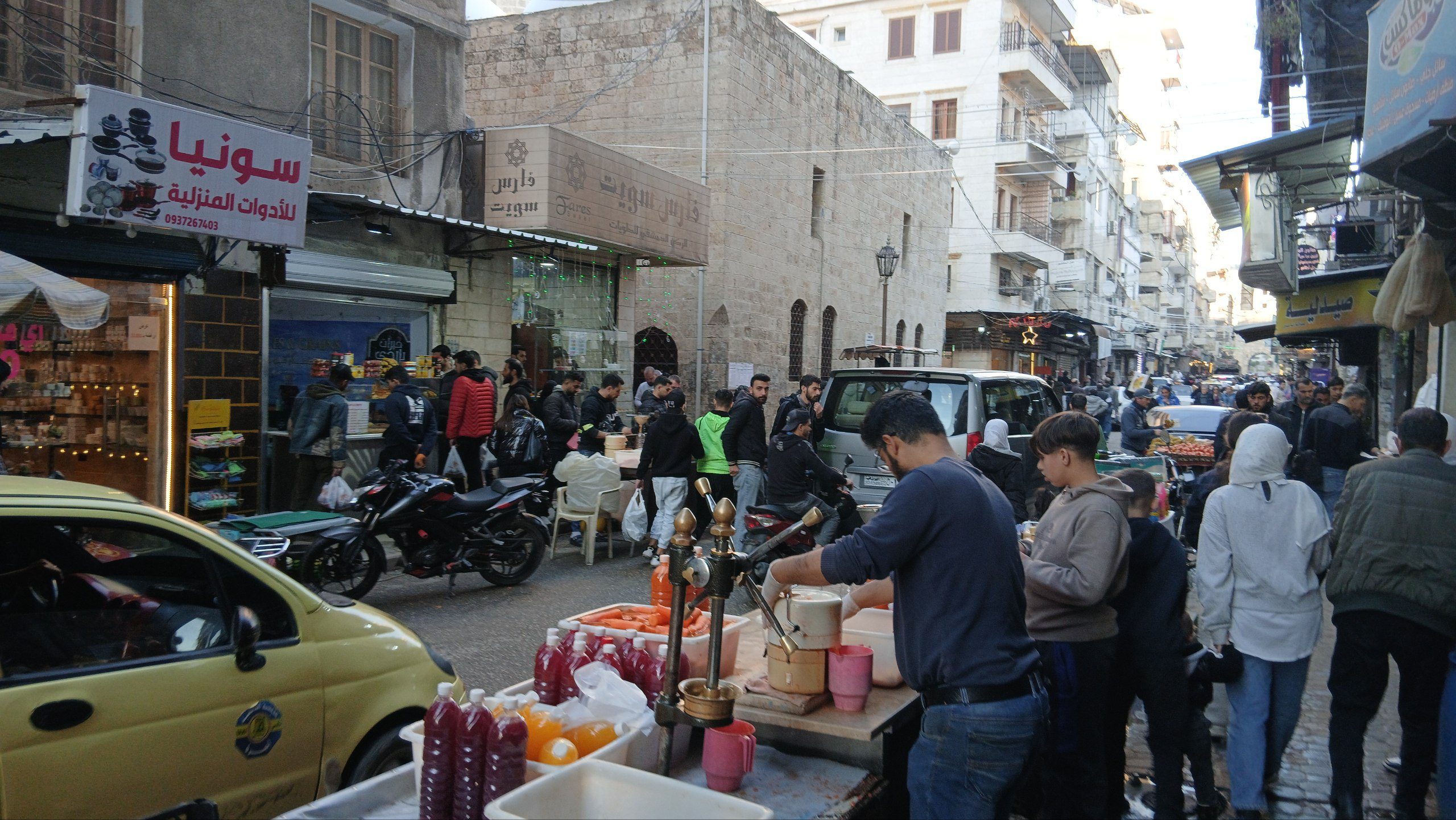
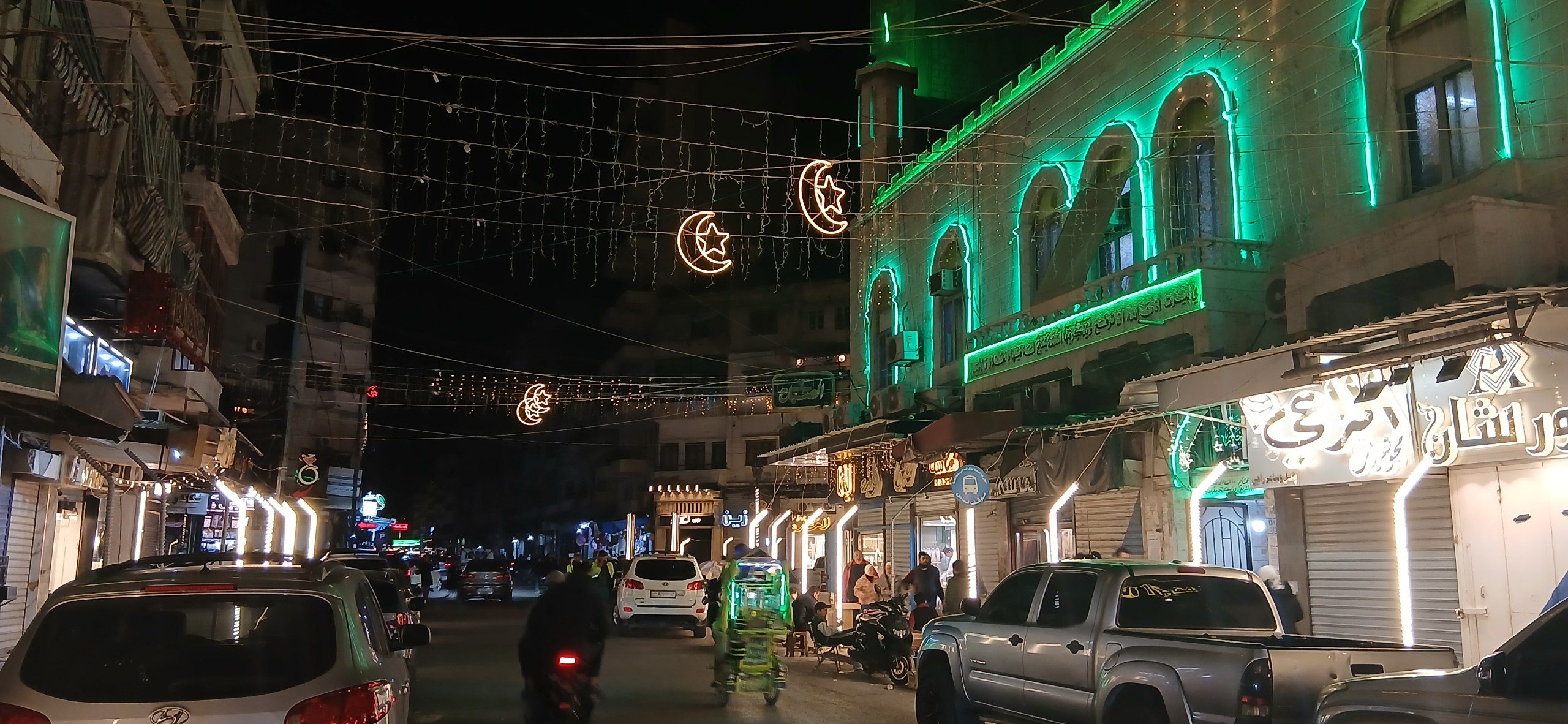
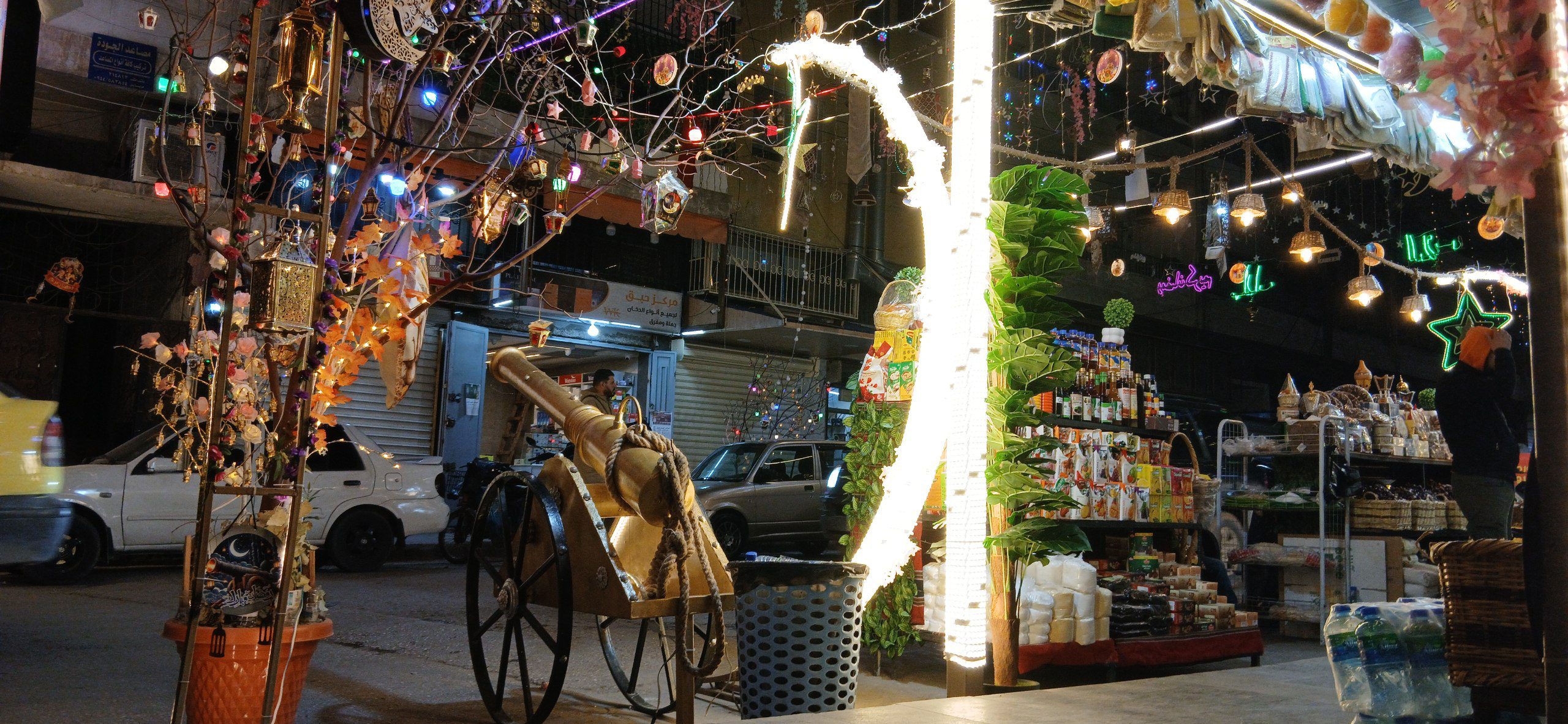
The lights came back first. In Latakia’s central squares, strings of Ramadan lanterns flickered on as families drifted through the evening air, pausing beneath decorations that seemed brighter than in years past. Children pointed upward. Shopkeepers lingered outside their doors. For a moment, the city felt familiar again. But just beneath the surface, memory lingered.
“These days have been an opportunity to reflect on the past,” said Yasmin Shaban, a journalist from Latakia, recalling how this year’s Ramadan began under the shadow of violence that shook the coastal region the previous March. “These days have been a chance to remember.”
Latakia, long regarded as a heartland of support for the Assad regime, now finds itself navigating a quieter, more complicated reality. A year ago attacks by regime remnants, on civilians and security personnel, sparked days of chaos and unrest in a region once considered stable. For residents Ramadan is not only a time of worship, but a space to process grief, reconsider identity and rebuild social ties.
A Region Once Certain, Now in Question
For years, Syria’s coastal region stood apart from the suffering and upheaval defining the country’s revolution from 2011 to 2024. Cities like Latakia were often seen as insulated, politically aligned with the regime and socially cohesive.
That perception shifted last year. “Last March was not like any other March in Syria,” said Muna Jamil Saloum, head of the Qanjira Town Council in northern Latakia countryside. “Instead, March was bloody, which is not what we Syrians … are accustomed to.”
The sudden and destabilizing violence, not only shattered lives but the long-held assumptions about security and identity in the region. For many, it was the first time the conflict felt immediate and personal.
“The city, which had been so peaceful and stable for so long, was suddenly plunged into chaos,” Shaban said. In the aftermath, communities that once defined themselves through political loyalty or sectarian belonging began grappling with more difficult questions, about responsibility, coexistence and the cost of division. Saloum framed the moment as a turning point. “The bloodshed we witnessed made us more determined than ever to unite our voices and stand side by side with all our brothers and compatriots,” she said.
Ramadan After Violence
Ramadan, typically marked by communal meals, spiritual reflection and social visits, arrived on the heels of last year’s chaos and atrocities. “Any act of violence negatively affects society in general and families in particular,” said Umar, an English teacher in Latakia city. “The joy of Eid was mixed with the tears of oppression … and the hope for better days was overshadowed.”
Economic hardship compounded that sense of loss. Rising living costs forced many families to scale back celebrations that once brought neighborhoods together. “People were filled with pessimism and gloom, thinking about those suffering from poverty and hunger,” Umar said.
This year, however, the atmosphere has shifted, not entirely back to normal, but noticeably different. “Ramadan started off nicely,” Shaban said. “I felt that this Ramadan had more good moments.” She described fuller decorations, renewed traditions and a sense that under improved security public spaces were coming back to life.
Yet even these signs of recovery carried an undercurrent of remembrance. “We’re reminded of what happened in March,” she said. “People started praying for [victims] and mourning their loss.” Rather than replacing grief, the rituals of Ramadan have absorbed it.
Shared Rituals and Fragile Healing
Across Latakia, residents of all faiths describe Ramadan as a time encouraging both introspection and connection. “Our main expectations and hopes … are to strengthen family ties,” Umar said, emphasizing the role of kinship, prayer and charitable giving in rebuilding social bonds.
He also pointed to the broader social function of the holy month. “The advent of Ramadan has helped alleviate tension through a culture of tolerance and fostering love and friendship among people, while completely rejecting hatred and division,” he said.
For some, that process extends beyond immediate communities. Saloum, an Alawite, called on Syrians to participate in each other’s religious celebrations regardless of sect. “I call on every Syrian citizen to participate in their brother’s religious festivals and occasions … to respect each other’s beliefs,” she said.
Such appeals reflect a growing recognition that coexistence in mixed communities requires active effort, not just shared geography. Even small gestures carry weight. Shaban recalled moments when people from other cities expressed solidarity with Latakia residents during times of unrest.
“When I hear about someone from another city coming to defend the people of our city against injustice, I’m deeply moved,” she said. These interactions, while limited, signal a shift toward a more inclusive sense of belonging, one not strictly defined by past political or sectarian alignments.
Memory, Accountability and Moving Forward
Still, the path forward remains uncertain. Residents speak openly about grief and loss, but discussions of accountability are more tentative. The violence of the past year, described by some as “senseless,” left scars that have yet to fully heal. Since then the government carried out internationally lauded initiatives, initiating reforms alongside arrests and prosecutions. Yet the echos of those events still reverberate.
“I had relatives who were caught up in this chaos, even though it had nothing to do with them,” Shaban said. “They were simply dragged into the mess by others who committed crimes.” Such experiences complicate efforts to move on. While many express a desire to “forget the past and its tragedies,” as Saloum put it, memory continues to shape how communities interact and rebuild trust.
Religious observance, such as Ramadan, offers one avenue for navigating that tension. “We tried as much as possible to avoid sadness and alleviate tension through worship,” Umar said, describing how religious practices have helped people maintain a sense of peace and belonging.
At the same time, he warned of ongoing challenges, particularly from external actors and misinformation. “One of the remaining major challenges is confronting the interference of external forces that work to promote internal division,” he said.
In that context, Ramadan’s emphasis on unity and compassion takes on added significance. “Religious celebrations can play an important role in spreading peace and peaceful coexistence,” Umar said, highlighting the need for dialogue and efforts to counter narratives fueling division.
A Cautious Return to Normal
As the month progresses, many in Latakia hold onto a cautious optimism. “Thank God, this year’s Ramadan has been a month filled with goodness … and brimming with security and peace,” Saloum said. Among the circumstances fostering an environment of healing is the improved security resulting from months of government efforts to ensure safety throughout the country.
“I hope we’ll regain our sense of normality and return to our routines,” Shaban said. “May the days to come be filled with goodness and blessings.” Yet few believe things will simply revert to how they were before. Events of the past year reshaped how residents see their city, their communities and themselves.
The old image of Latakia as the calm eye of the storm no longer fully applies. In its place is a more complex reality, one marked by loss, reflection and an ongoing effort to redefine what coexistence looks like in a nation still healing from over a decade of war and political and sectarian violence.
Ramadan, with its blend of ritual and reflection, has become a lens through which that transformation is unfolding. In the glow of lanterns and the quiet of evening prayers, Latakia is not just observing a holy month. It is, in its own way, taking stock of where it has been and where it might yet go.