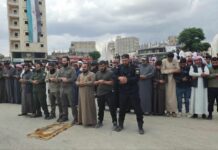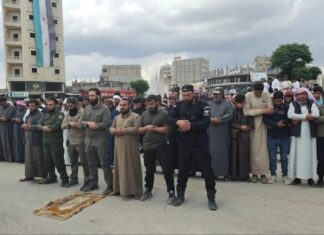
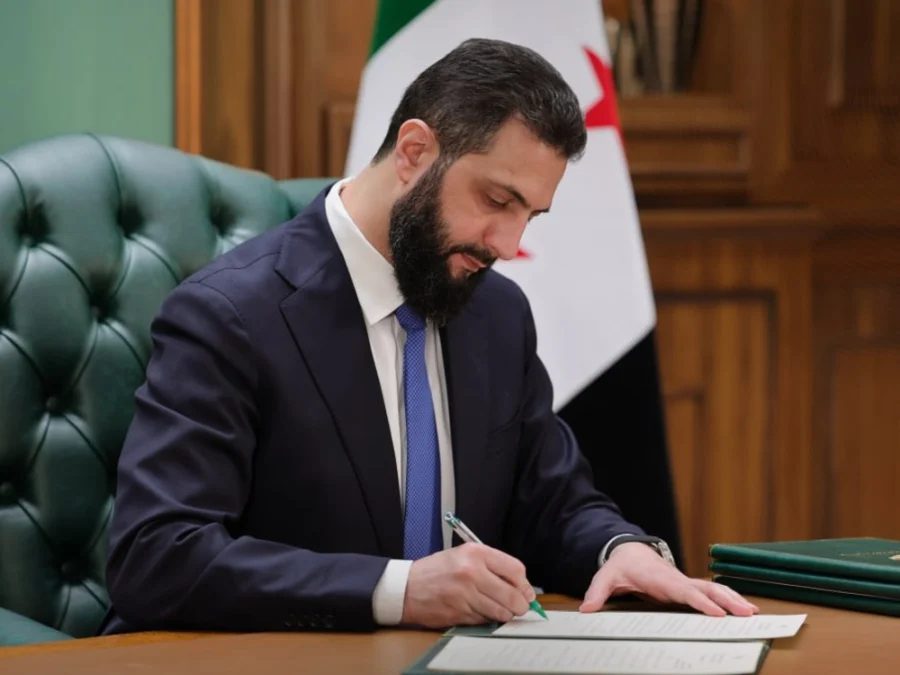
In an address following Eid al-Fitr prayers, Syrian President Ahmad al-Sharaa announced sweeping salary increases, framing the move as part of a broader effort to address rising poverty and economic strain. Speaking at the People’s Palace, Sharaa said the government approved a 50% increase in salaries and wages for public sector employees and introduced a new minimum wage.
“We approved a minimum wage after the recommendations of the Ministry of Finance, taking into account poverty rates,” Sharaa said, according to SANA. He added 40% of the national budget would be directed toward essential services such as health and education, signaling a wider policy shift toward social spending.
Decrees Outline Scope and Implementation
The wage increases fall under Presidential Decrees No. 67 and 68 of 2026, which together form the core of the government’s salary reform plan. Decree 67 mandates a 50% increase for public sector employees not covered by previous targeted adjustments under the current government or similar initiatives passed by the former Syrian Salvation Government (SSG) prior to the fall of the Assad regime. Decree 68 introduces additional “qualitative increases” for specialized professions.
The decrees apply broadly across ministries, public institutions and state-affiliated entities, including workers in temporary, seasonal and part-time roles. Retirees will also benefit, provided their pensions align with comparable public sector salaries.
The new minimum wage, set at 12,560 Syrian pounds (approximately $110 USD) per month, will extend across public, private and cooperative sectors. The increases are scheduled to take effect April 1, with the Finance Ministry tasked with issuing detailed implementation guidelines.
Focus on Key Sectors and Skilled Workers
Officials say the reforms prioritize sectors considered critical to public services and long-term recovery. Finance Minister Muhammad Barnieh said the measures aim to “improve the living conditions of public sector employees” and retain skilled professionals.
Decree 68 specifically targets teachers, university professors, doctors, nurses and financial inspectors, with varying increases based on job roles. Barnieh said the approach seeks to preserve expertise and attract new talent to essential fields.
Education Minister Muhammad Turko confirmed that all teachers across Syria will receive the increases without exception. In a statement carried by SANA, he said the policy would also unify salary scales among educators nationwide, promoting fairness and equal treatment.
Implementation Plans and Broader Economic Measures
The government has begun coordinating implementation, with Turko announcing plans to meet with the finance minister to finalize executive instructions. Officials say these steps will ensure the increases translate into actual improvements in workers’ incomes.
In parallel, Decree 69 introduces additional economic measures, including committees to assess damages and grant tax exemptions to affected businesses. Authorities say these efforts aim to ease financial pressures on commercial, industrial and tourism sectors while stimulating economic activity. Barnieh described the latest decrees as a continuation of earlier reforms, including a previous 200% wage increase and targeted adjustments in sectors such as the judiciary and defense.
Balancing Reform and Fiscal Realities
Salary increases mark one of the most extensive wage reforms in recent years, reflecting the government’s attempt to balance public expectations with fiscal constraints. By linking wage policy to poverty indicators and service spending, officials positioned the measures as part of a broader economic recovery strategy.
While the long-term impact remains uncertain, the government’s focus on both universal and targeted increases suggests an effort to address immediate cost-of-living concerns while strengthening key institutions. How effectively the policy is implemented in the coming months will likely shape its overall success.