Recent floods in eastern Syria have sharply increased the risk posed by buried landmines, with shifting soil and rising waters exposing explosive hazards in agricultural land and near residential areas. The growing threat has left farmers and children among the most vulnerable, while authorities race to identify and secure newly affected zones.
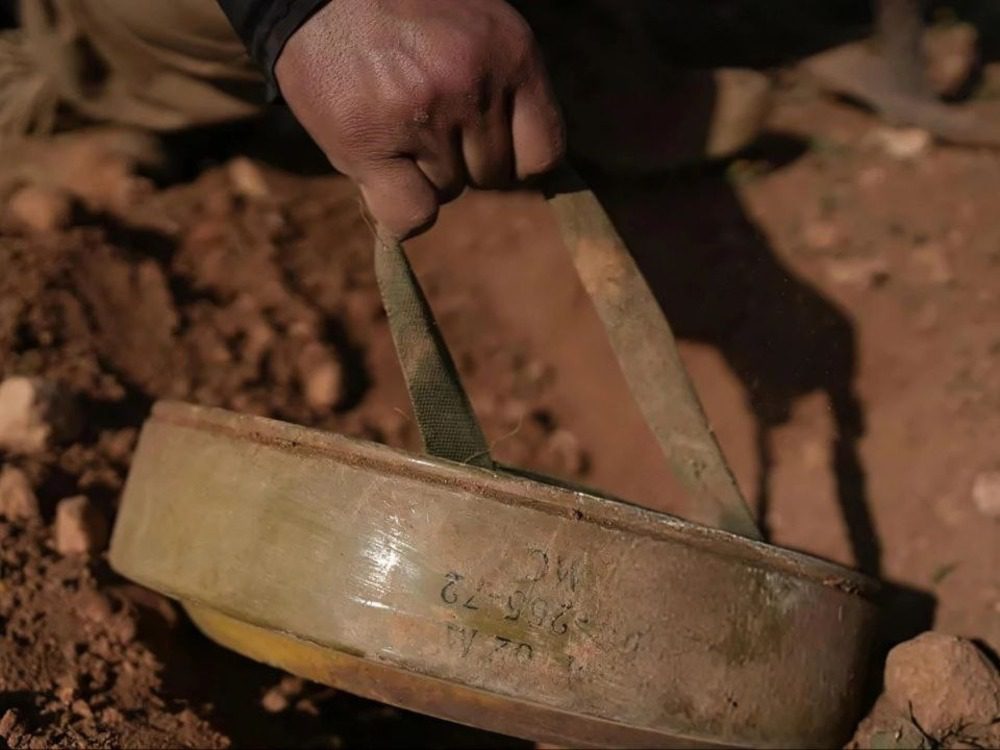
In Raqqa province, media activist Muhammad al-Othman said floodwaters washed away layers of soil and uncovered mines in fields and on roads leading to homes. The exposure was reported in the Ghaneem al-Ali area of the Raqqa countryside and around the town of Sabkhah north of the province.
He said the floods revealed land heavily contaminated with mines, creating direct risks for residents and farmers. In response, local authorities began marking hazardous areas to warn civilians and reduce the likelihood of casualties.
Residents Forced Into Unsafe Detours
The danger extends into Hasakah province, where mines continue to threaten both main and secondary transportation routes. Residents have increasingly turned to unfamiliar alternative paths in an attempt to avoid known danger zones. Those detours, however, have created new risks as mines are also scattered along the outskirts of cities, particularly in southern and eastern rural areas.
Ali al-Ajeel, a resident of the province, described a dense spread of mines near earthen berms and former military roads, saying the contamination has made movement increasingly difficult and left some communities in near isolation. The combination of flooding and long-standing contamination has complicated daily life, cutting residents off from farmland and limiting safe access to roads and services.
Mine Action Center Prioritizes Eastern Provinces
Raed al-Hassoun, director of the clearance department at the National Mine Action Center, said the center is closely monitoring the impact of the floods across the eastern region. He said the center is coordinating with the Emergency and Disaster Management Ministry under a nationwide response plan addressing landmines and explosive remnants of war.
The effort includes regular coordination with local and international partners to direct support where it is needed most. According to Hassoun, eastern Syria remains a priority area.
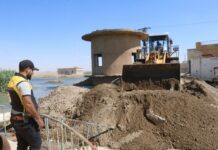
Clearance teams are setting operational priorities based on whether the affected zones are residential, agricultural or linked to infrastructure reconstruction. Civil defense teams are also working to secure exposed land, though officials acknowledge that some fields remain dangerous for farmers and passersby.
Awareness Campaigns Aim to Reduce Casualties
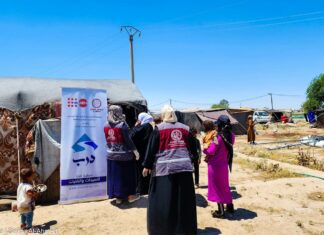
Alongside clearance work, partners are expanding field awareness sessions to spread information about the dangers of mines and unexploded ordnance. Hassoun urged civilians to help circulate these warnings within their communities.
He also emphasized the role of schools, local leaders and residents in reinforcing safety messages, describing community awareness as one of the most effective tools for reducing injuries. As flood conditions continue to shift contaminated soil, officials say sustained monitoring, public vigilance and targeted demining will remain critical to protecting lives across eastern Syria.