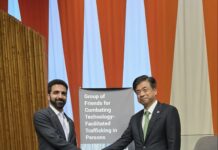
In an effort to strengthen emergency assistance for families affected by recent flooding, Raqqa Governor Abdurahman Salama met with a delegation representing UN agencies operating in the province. Representatives from the directorates of international cooperation, emergency and disaster management, and social affairs also attended the meeting.
Discussions focused on accelerating humanitarian interventions and improving the delivery of relief assistance to affected communities. Participants reviewed the extent of the damage and identified priorities to ensure support reaches vulnerable residents as quickly as possible. The meeting also addressed preparedness measures aimed at reducing the impact of future floods.
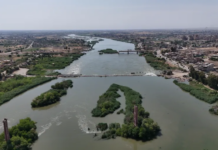
Recent flooding inundated homes, businesses, and agricultural land across Raqqa and Deir Ezzor provinces. Rising water levels have also threatened roads, bridges, and public service facilities, increasing concerns about further infrastructure damage. In Raqqa city, business owners reported losses worth thousands of dollars after floodwaters swept through shops and restaurants along the riverbanks.
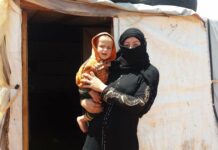
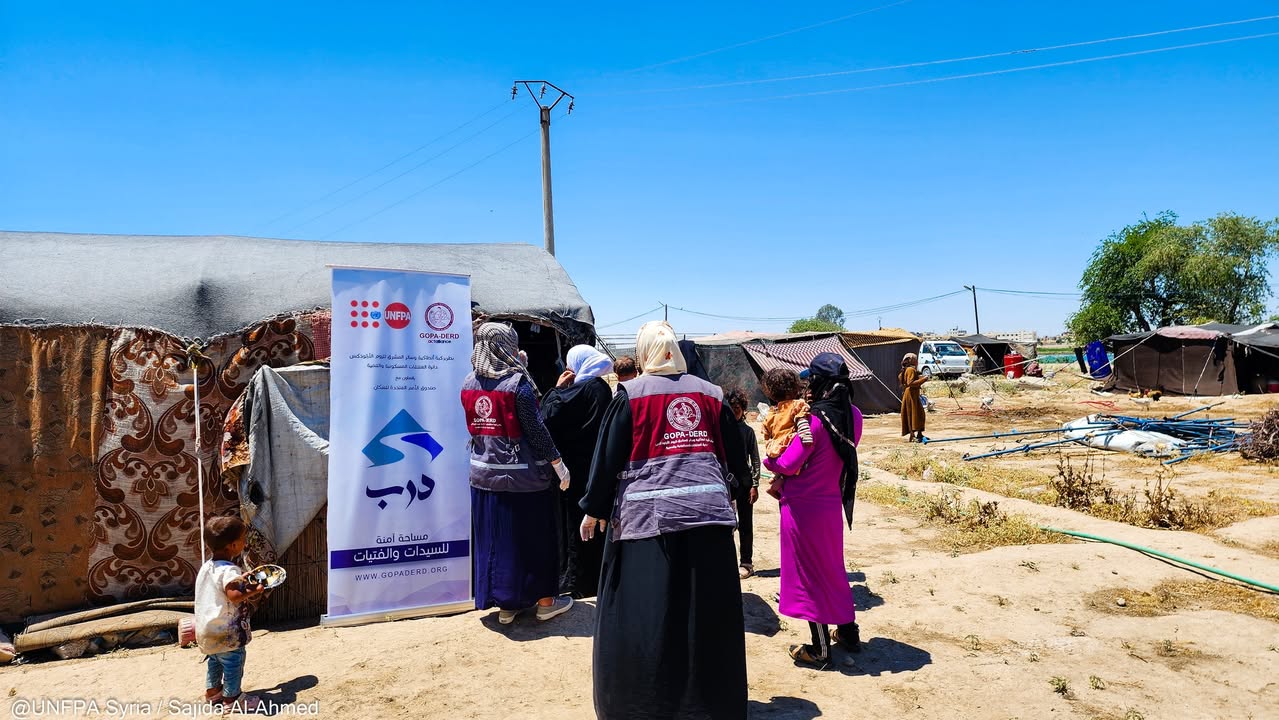
Displaced families also lost many of their belongings when water flooded tents and temporary shelters. Meanwhile, emergency teams in Deir Ezzor reinforced Ashara Bridge and several key facilities, including water stations, to prevent riverbank erosion and protect critical infrastructure.
Thousands Impacted Across Eastern Syria
According to the UN Office for the Coordination of Humanitarian Affairs, floods across northern and eastern Syria during the past month affected thousands of residents. Damage to displacement camps, transportation networks, and service infrastructure in Raqqa and Deir Ezzor has complicated humanitarian access to some areas.
UN figures indicate that over 20,000 people across five governorates were affected, while over 3,500 shelters have sustained damage or been destroyed. Previous flooding in the region also disrupted water and transportation services and damaged thousands of shelters in communities along the Euphrates River basin.
Local Initiative Promotes Flood Safety
UNICEF continues to play a major role in eastern Syria through water and sanitation programs. In Deir Ezzor, the agency helped rehabilitate 11 water stations, benefiting over 240,000 people. Work remains underway at water facilities in Albukamal and western Deir Ezzor, including the Euphrates Water Plant, one of Syria’s largest water stations, servicing over 500,000 residents.
Rehabilitation of the Sukkariyah Water Station in Albukamal was also completed, with upgraded pumps and treatment systems improving reliability. Alongside infrastructure projects, UNICEF and local organizations launched the “Together, Our Euphrates Is Safe” initiative in Deir Ezzor raising awareness about river hazards and reducing drowning incidents and flood-related risks.
Muawiya al-Hammod, a participant in the initiative, told Levant24 teams evacuated families from the Hamrat Ghannam area to safer locations and distributed food baskets, basic supplies, and hygiene kits to vulnerable households.
He added mobile clinics and medical points provided health services, awareness campaigns, ambulance support, and medical transport for urgent cases. Teams also contributed to rehabilitating water facilities and improving access to essential services.
The initiative includes community awareness campaigns, educational materials, warning signs near the river, and activities for children in high-risk areas. Civil defense teams and local associations continue to support these efforts as communities recover.