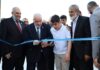
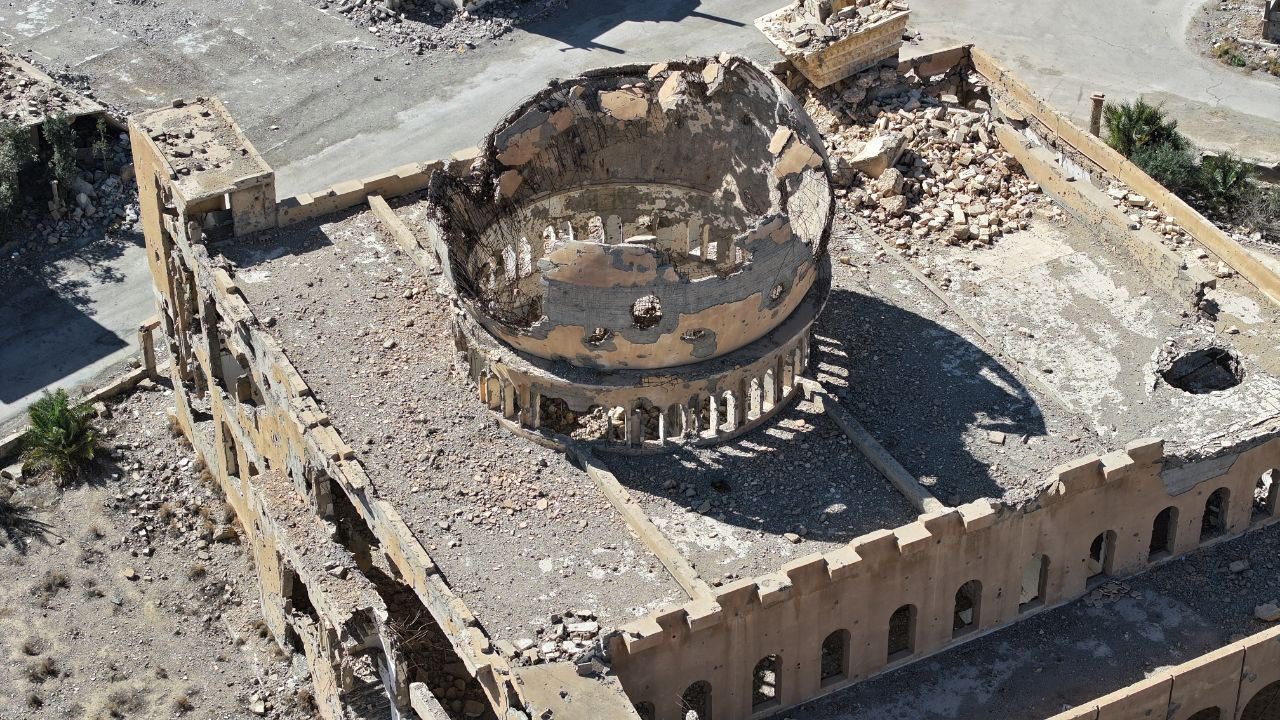
 The National Memory Preservation Committee, operating under the National Transitional Justice Commission (NTJC), launched the project, Deir Ezzor: The Memory That Was Never Written during a workshop held at the Media Directorate in the city. The event aimed to introduce the project while explaining its implementation mechanisms.
Falling within the broader Memory of Syrian Cities initiative, the project seeks to document local memory across Syrian provinces, addressing a significant gap in the historical and social narrative suffering from distortion and neglect for years.
Project Features and adjectives
The project aims to preserve memory from loss or distortion, restore dignity to undocumented voices, and build a balanced local narrative free from external imposition. These efforts go beyond documentation to protect collective memory and enable future generations to understand what took place.
The project also supports transitional justice pathways by preserving testimonies, while creating a reliable multimedia archive (text, audio, images, and video) that will be partially accessible to researchers, with sensitive information kept confidential.
Documentation Mechanisms
In a statement to Al-Thawra, project coordinator Muhammad Qanbar explained the project goes beyond simply collecting testimonies, it employs a multi-level methodology aimed at building a comprehensive and reliable archive of local memory.
Fieldwork, according to Qanbar, relies on multiple tools, including in-depth individual interviews, focus group discussions, and field visits to sites of memory. These activities are carried out by trained teams from within the community, who take into account privacy and the cultural context.
He noted testimonies are selected based on criteria ensuring geographic and social diversity, covering various groups, with a particular focus on stories that reflect pivotal transformations or key events in the province’s history.
Community Response
The project is witnessing increasing engagement from various segments of the local community, reflecting clear interest in the idea of documenting and preserving collective memory. Project organizers indicate this engagement becomes even more evident when discussing the documentation of individual testimonies and linking them to the city’s historical and social narrative.
The level of participation varies among community groups. Some residents show clear readiness to contribute by documenting their experiences, while others approach with caution due to the sensitivity of certain issues or fear of the consequences of disclosing personal details.
In this context, teams adopt a gradual approach to building trust with the local community. This involves engaging field teams from the area’s residents and using communication methods respecting privacy and societal sensitivities, thereby expanding participation and enhancing the project’s acceptance.