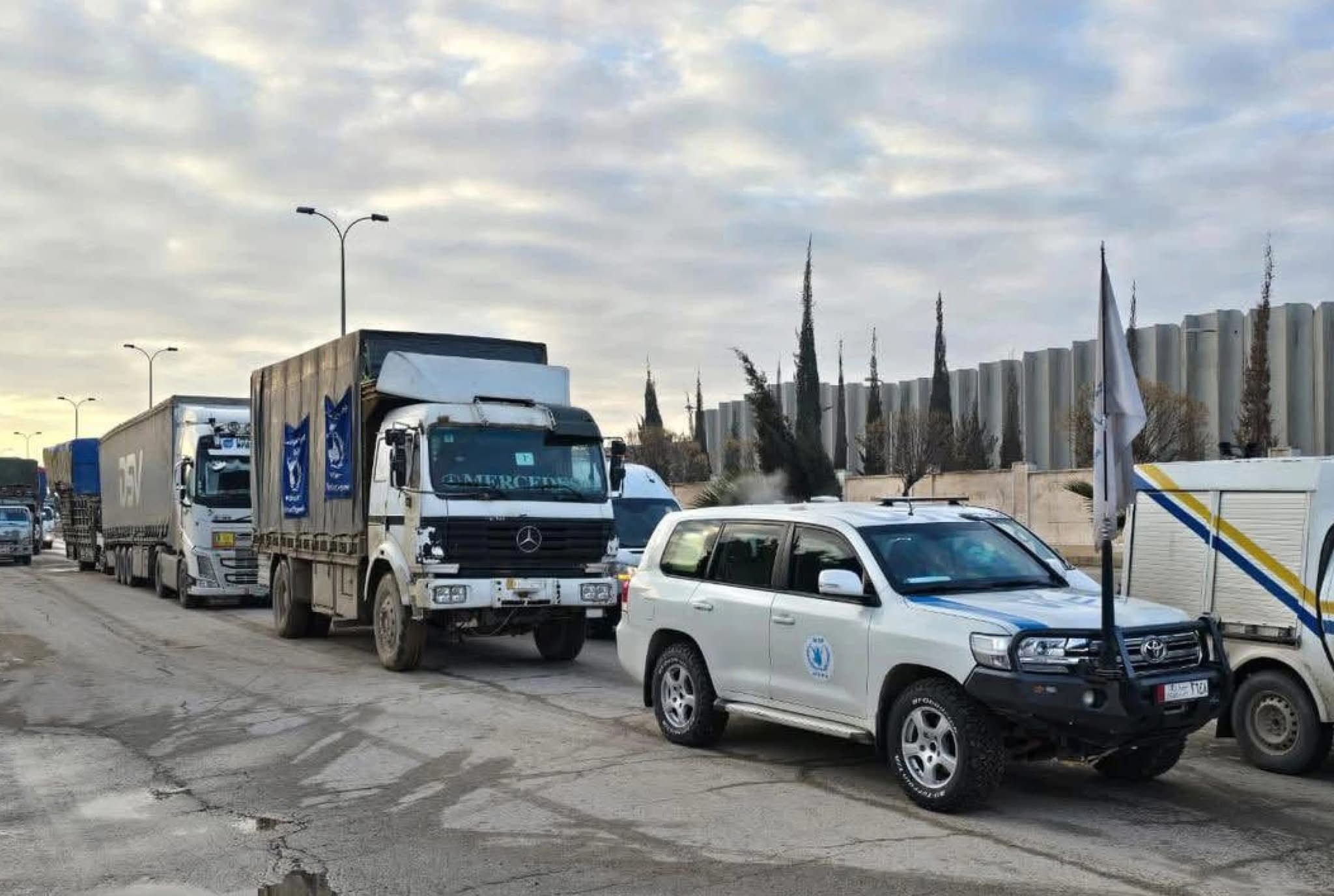
 The UN Office for the Coordination of Humanitarian Affairs (OCHA) in Syria announced the end of cross-border aid deliveries from Turkey, closing an 11-year operation that served millions in the country’s northwest. In a statement on X, OCHA said the effort moved life-saving assistance through over 65,000 trucks, calling it one of the most complex humanitarian supply chains ever managed.
The decision follows major political changes, including the collapse of the Assad regime in December 2024, reshaping how aid groups operate inside Syria. OCHA said the next phase will focus on strengthening partnerships, improving accountability and increasing the impact of humanitarian work.
Origins of a Critical Lifeline
The cross-border system began in July 2014 after authorization by the UN Security Council. It allowed aid groups to bypass restrictions imposed by Assad in order to deliver food, medicine and shelter to areas such as Idlib.
At its peak, the operation faced intense international scrutiny. Before the fall of the Assad government, UN officials warned that closing what they called the last aid corridor could leave more than 4 million people without support. Many of those residents were displaced and living in poverty. Aid convoys traveled from Turkey through hubs like Gaziantep to reach vulnerable communities.
Shift Toward Centralized Coordination
The closure marks a structural shift rather than a simple end. Aid funding is now moving to a single, unified system based in Damascus. This change ends the cross-border Syria Humanitarian Fund, which operated from Turkey for years.
OCHA data shows the fund allocated $50 million in 2025, ranking it among the largest country-based pooled funds globally even as it wound down. Teams previously based in Gaziantep are now managing closure activities to support a smooth transition.
Officials in Damascus welcomed the change. They said the 2026 Humanitarian Needs and Response Plan will operate under national coordination, with a focus on sovereignty and territorial integrity. The plan prioritizes restoring infrastructure, rebuilding institutions and improving essential services.
Changing Needs and Long-Term Recovery
Despite progress, humanitarian needs remain significant. In April, UN relief chief Tom Fletcher said about 16 million people in Syria still require assistance. At the same time, the nature of that assistance is evolving. Achim Steiner said funding is shifting from emergency relief to development and early recovery programs.
International financial support reflects that change. The World Bank recently approved $225 million in grants to restore water systems and health services, aiming to help 4.5 million people. These projects include repairing water infrastructure in Idlib, Homs and Hama and reopening primary health care centers. Together, they signal a gradual move from crisis response toward stabilization as Syria enters a new phase.