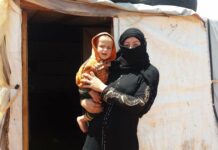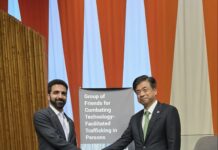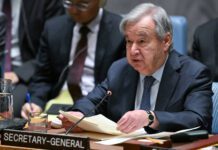
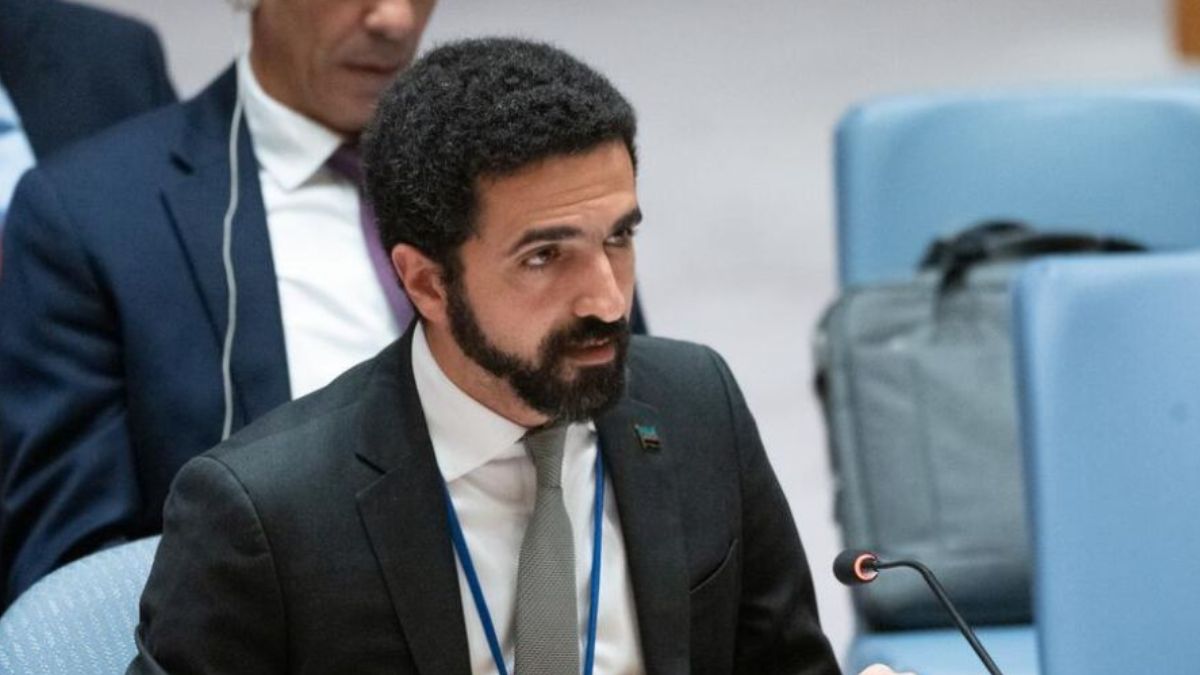
 Syria’s permanent representative to the UN, Ibrahim Olabi, said the return of Syrian refugees must remain voluntary, safe and dignified, stressing that long-term recovery efforts are essential to making that possible.
Speaking before the second International Migration Review Forum, Olabi said rebuilding infrastructure and restoring basic services are among the most important steps needed to support sustainable returns for displaced Syrians.
In a statement published on the permanent mission’s X platform, Olabi said Syria has historically served as both a destination and transit country for migrants and refugees from around the world. “Syria has always been a trade crossroads, a cradle of civilizations and religions, and a safe haven for anyone in need of protection and security,” he said.
Olabi noted that Syria welcomed refugees from neighboring countries, including Lebanon and Iraq, during different periods in its history. He also highlighted the role Syrians have played abroad for decades, particularly in South America and Europe, where they contributed to the economies and societies of host countries.
Conflict Drove Waves of Displacement
Olabi said the conflict that began in 2011 forced many Syrians into what he described as an impossible choice between leaving the country or facing violence under the Assad regime. According to Olabi, the war triggered large-scale migration and asylum movements as much of Syria suffered widespread destruction.
At the same time, Syrians abroad demonstrated resilience and adaptability by building successful lives and supporting local economies in their host nations. He added over 1 million refugees returned to Syria since Assad’s fall, attributing the development in part to policies adopted by the current government. However, he stressed sustainable return efforts still depend on international support and investment in recovery projects.
Appeal to Syrians Abroad
Addressing Syrians living overseas, Olabi acknowledged the hardship many experienced during years of displacement and separation from their homeland. He said life abroad brought not only suffering, but also opportunities to gain knowledge and benefit from the experiences of other societies. He encouraged Syrians to take part in rebuilding the country during what he described as a historic period.
Olabi called on professionals, businesspeople and skilled workers to contribute their expertise to Syria’s recovery and future development. Concluding his remarks, he delivered an emotional message directed at Syrians living outside the country.
“Today, the time for harvest has come,” Olabi said. “Your homeland misses you and counts on your minds and your experiences in this historic moment, one that does not repeat often in the life of nations.”