
The UN has pledged support for the Syrian government’s Syria Without Camps initiative, signaling growing international engagement in efforts to transition displaced families from camps into permanent housing and recovery programs.
UN Resident and Humanitarian Coordinator in Syria Natalie Fustier announced the organization’s readiness to support what officials described as the “Zero Tent” vision and assist families seeking to rebuild their lives.
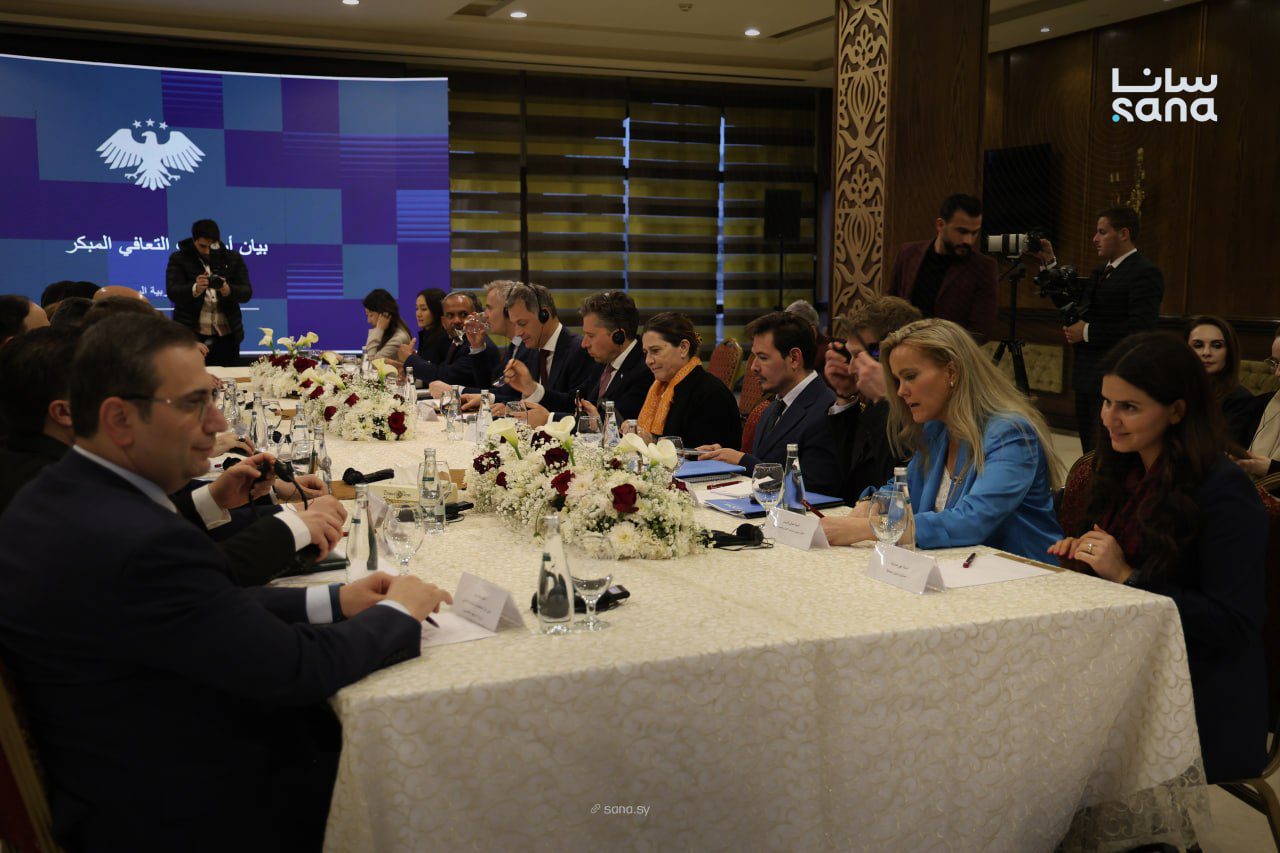
According to the UN mission in Syria, Fustier discussed recovery efforts and sustainable solutions for displaced residents during a recent meeting with Aleppo Governor Azzam al-Gharib. The mission said Aleppo represents a model for cooperation between local authorities, communities and international partners.
Fustier praised ongoing coordination in the governorate and said the experience in Aleppo demonstrates “what can be achieved when efforts are united,” according to a statement posted by the UN mission on X. Discussions focused on mechanisms for UN support in reconstruction and recovery efforts as Syria continues to address large-scale displacement caused by 14 years of war.
Government Pushes Permanent Housing Plans
Syrian authorities have increasingly framed camp closures as a central policy objective for 2026. In late 2025, Aleppo Governorate’s Executive Office announced plans to permanently resolve the issue of displacement camps within the governorate before the end of 2026.
Officials said the initiative forms part of a broader recovery strategy aimed at improving living conditions for displaced Syrians and creating sustainable housing alternatives. The effort also aligns with the national “Syria Without Camps” initiative led by the Ministry of Emergency and Disaster Management.
Minister of Emergency and Disaster Management Raed al-Saleh said earlier this month humanitarian conditions in displacement camps remain difficult and require continued international support. During a field visit to camps in Idlib alongside Idlib Governor Muhammad Abdurahman and UN representatives, Saleh stressed the importance of maintaining humanitarian response programs during what he described as “a critical period.”
Saleh also called for accelerating work under Decree 59, which Syrian officials describe as a framework for rehabilitating infrastructure and facilitating the “safe and organized return” of displaced residents. He said achieving the “Syria Without Camps” vision would require “high coordination and effective partnership with the UN and all partners.”
Funding and Data Collection Advance Initiative
The Higher Steering Committee for the initiative held its third periodic meeting last week under the leadership of the emergency and disaster management ministry, with participation from senior ministers and governors from Aleppo, Idlib and Hama.
Officials reviewed progress on an integrated data and information platform intended to support return planning and project management. The committee also approved the formation of a finance committee tasked with strengthening financial oversight and governance.
Authorities presented findings from a camp survey conducted in cooperation with Syria’s Planning and Statistics Authority and the Ministry of Social Affairs and Labor. The survey collected detailed information on camps in Idlib Governorate, with additional studies planned in other regions. Syrian officials have also sought international financing for recovery and development projects linked to the initiative.
During meetings last month with the OPEC Fund for International Development, Syrian Finance Ministry representatives presented plans connected to “Syria Without Camps,” rural development and poverty reduction strategies.
The initiative reflects Syrian efforts to combine humanitarian relief with long-term recovery planning as authorities and international organizations continue discussions over reconstruction and displacement solutions.