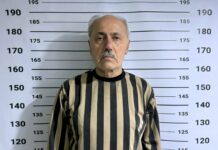
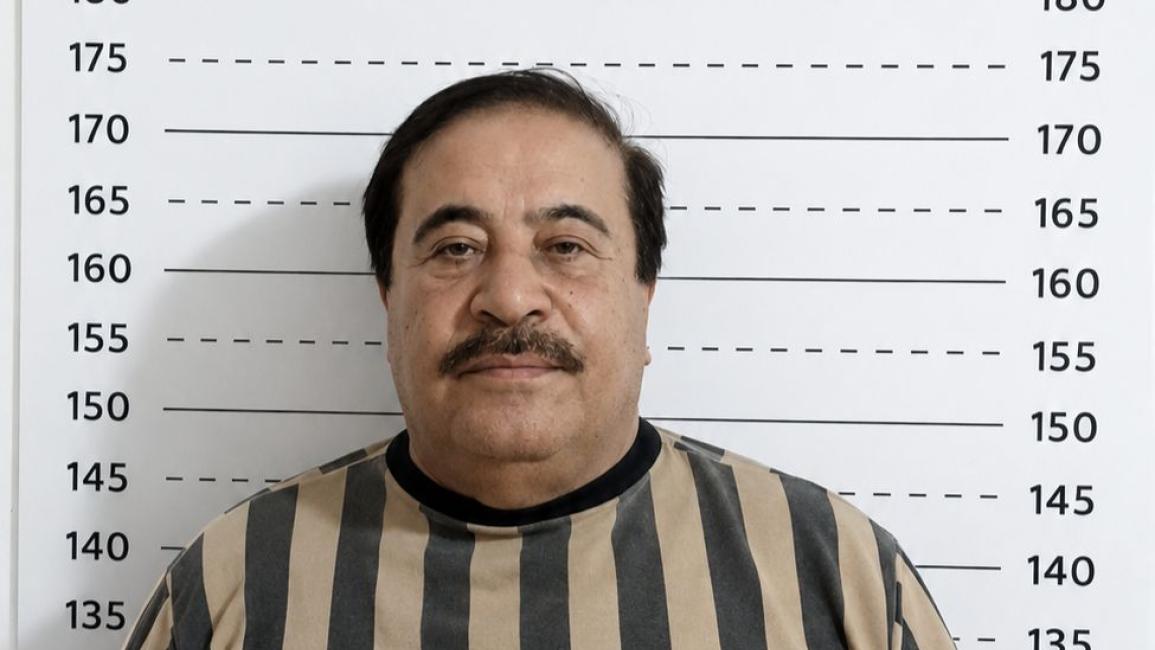
Syrian authorities intensified their campaign against former Assad-era officials this week with the arrest of Major Gen. Jayez Hammoud al-Musa, the former chief of staff of the Syrian air force, as security operations targeting figures accused of war crimes continued across the country and beyond its borders.
May 12, the Syrian Interior Ministry announced that its counterterrorism department detained Musa during what it described as a “precise” security operation. Officials did not disclose where the arrest occurred or provide further operational details.
Musa served in several senior military posts within the Assad regime and is accused by Syrian sources of involvement in military operations targeting civilians during the country’s conflict. Sources cited by the New Arab said Musa faces accusations linked to a 2012 massacre in the town of Dumayr in rural Damascus that allegedly killed 22 civilians, including 10 children.
He also reportedly survived multiple assassination attempts during the war, including an attack in Hama province in 2014. The Interior Ministry said the arrest formed part of a broader campaign against military and security officials accused of involvement in repression and attacks on civilians during the Syrian revolution.
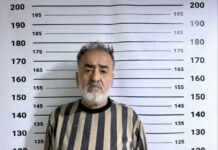
Syrian security forces also announced the arrest of Nouri Abdurahman al-Ali, whom authorities accused of fighting alongside sectarian militias and participating in military campaigns in Idlib and Hama provinces. The ministry said Ali had been referred to the counterterrorism department for further investigation before prosecution.
Lebanon Arrest Raises Extradition Questions
In a parallel development, Lebanese security forces arrested Maher Ajeeb Jazza, commander of the Iran-backed Liwa Abu al-Fadl al-Abbas militia, according to Syrian and Lebanese media reports. The militia played a major role in supporting Assad’s forces during the conflict and drew many of its fighters from Iraqi Shiite groups operating in Syria.
Jazza, originally from the town of Nubul in northern Aleppo province, later established the militia in Damascus, where it became active in several battles in rural Damascus and Homs. Lebanese media also reported the arrest of Abu Haidar al-Nashab, another militia commander linked to armed groups accused of abuses during the war.
Sources cited by Syria TV and Al-Modon said Lebanese authorities were preparing to hand both men over to Syrian officials as part of ongoing security coordination between Beirut and Damascus. If completed, Jazza’s extradition would mark one of the first known transfers of a senior Shiite militia commander affiliated with Assad-era forces back to Syria for prosecution.
Analysts and regional observers noted the political sensitivity surrounding the case because Liwa Abu al-Fadl al-Abbas maintained close ties to Iran’s Islamic Revolutionary Guard Corps and Lebanon’s Hezbollah during much of the war. Reports indicate relations between Jazza and Hezbollah later deteriorated after internal disputes over security issues, leading to his demotion by Assad after 2018.
Transitional Justice Takes Shape
The recent arrests come as Syria’s new authorities attempt to build a transitional justice process following the collapse of Assad’s government in late 2024. Officials framed the campaign as part of continued efforts to hold former military and intelligence figures accountable for alleged war crimes and abuses committed between 2011 and 2024.
While many Syrians welcomed the arrests, questions remain about the legal framework governing future prosecutions and the extent to which regional governments will cooperate in extraditing suspects accused of crimes during the conflict.
For now, the expanding list of arrests signals that Syrian authorities are widening their pursuit of former regime commanders, including figures once considered untouchable within Assad’s military and security apparatus.