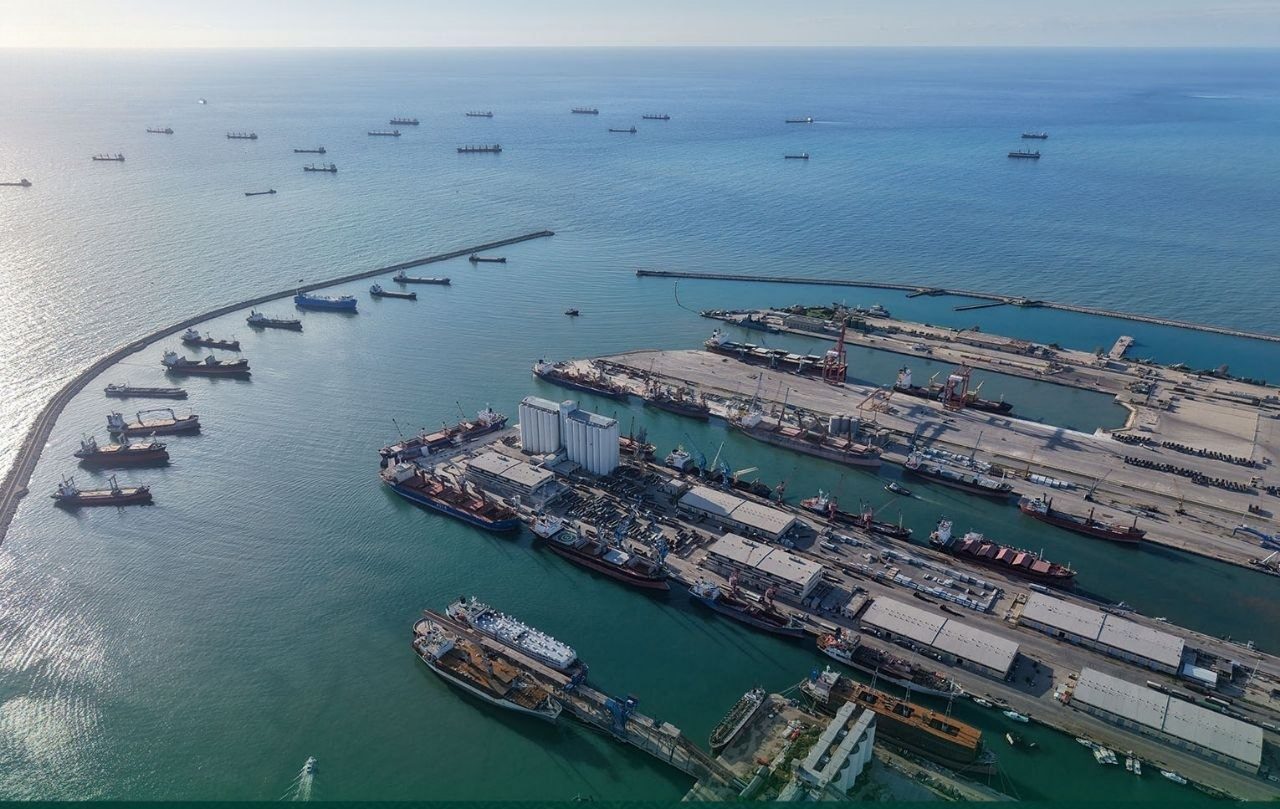
 The General Authority for Border Crossings and Customs is continuing work on a major rehabilitation project at the phosphate berth in Tartous Port, part of a broader effort to modernize Syria’s port infrastructure while reducing environmental damage linked to bulk material handling.
Officials say the project aligns with international environmental standards and aims to balance economic development with the protection of the marine environment and nearby residential areas from pollution. Mazen Alloush, director of relations at the authority, said the rehabilitation includes extensive structural maintenance at the berth, along with upgrades to loading and unloading equipment.
He added that authorities are introducing modern systems designed to reduce dust and emissions generated during shipping operations. The measures form part of a wider plan to improve environmental conditions at the port and address longstanding concerns over pollution linked to phosphate exports.
Modern Systems Replace Aging Infrastructure
According to Alloush, Syria’s phosphate export sector has suffered for years from deteriorating infrastructure and outdated operational methods inherited from the previous regime. Although Tartous Port has long contained a berth designated for phosphate loading, officials say it remained largely inactive for years and failed to operate efficiently.
The current rehabilitation project seeks to restore full functionality while introducing environmental safeguards that were previously absent. The upgrades include enclosed conveyor systems, dust suppression technology and improved storage and transport mechanisms within the port area.
Authorities say these systems will significantly reduce the environmental impact associated with handling phosphate and other bulk materials. The project also reflects growing efforts to modernize Syrian infrastructure after years of economic strain and limited investment in public facilities.
Plans for a Specialized Bulk Materials Port
Beyond restoring the existing phosphate berth, the authority is also pursuing plans to establish a specialized port dedicated to bulk materials with environmental risks, including phosphate and clinker shipments. Officials say separating those operations from other port activities would improve safety standards and increase operational efficiency across the facility.
Alloush said reopening the berth is expected to increase export capacity, improve revenues and reduce operating costs at Tartous Port. He added that authorities hope the upgrades will strengthen the port’s position as a regional logistics center for raw material exports.
The rehabilitation project forms part of a wider strategy to redevelop Syria’s port sector according to modern international standards and restore the country’s maritime infrastructure to a more active regional role.