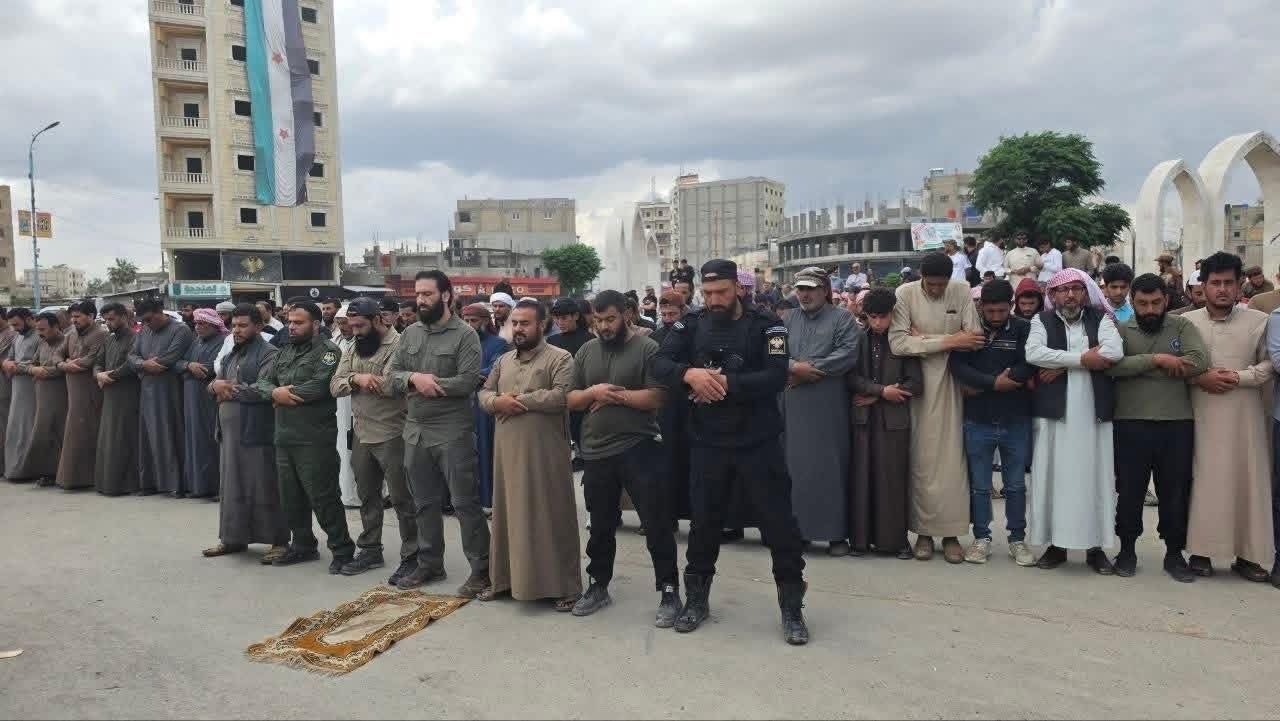
Outrage spread across Syria’s agricultural heartlands this week after the Syrian government set wheat purchase prices farmers said failed to reflect soaring production costs and devastating seasonal losses. Farmers in Daraa, Deir Ezzor, Raqqa and other parts of the Syrian Jazeera region staged protests and sit-ins after the Ministry of Economy and Industry fixed the purchase price for first-grade durum wheat at about $325 per ton.
Demonstrators argued the figure fell far below the real cost of production as fuel, fertilizer, irrigation and transportation prices continue to climb. The backlash quickly evolved into one of the most visible waves of economic dissent in Syria since Assad’s fall, with protesters openly criticizing state policy while demanding immediate revisions.
Fuel Crisis Exacerbates Production Increases
Syria remains heavily dependent on wheat production as both a pillar of food security and a primary source of income for thousands of rural families. Years of conflict, climate instability and damaged infrastructure left farmers increasingly vulnerable to economic shocks. Rising fuel prices increased costs across every stage of production, from irrigation and machinery operation to transportation and shipping.
Farmers emphasized fertilizer prices had become unaffordable for many already struggling after severe weather damage and climate-related crop losses. Protest leaders warned that if decisions regarding the agricultural sector continue, “you won’t find anyone working in agriculture in the coming years.”
Farmers Threatened Delegation to Damascus
The protests intensified in eastern Syria, where community leaders warned that continued inaction could deepen already severe economic hardship. The May 17 demonstrations saw farmers attempting to pressure authorities into reconsidering the pricing policy.
Hamid al-Jubair, a mukhtar from the Al-Anayiz clan of the Al-Ukaidat tribe in Deir Ezzor met with government officials to convey farmers’ grievances and was told the issue remained under review. He added that residents were waiting for an official response but warned that farmers were prepared to escalate their demands.
He stressed protests focused solely on economic and service-related demands rather than political objectives. Residents want “fair crop prices,” improved infrastructure and support for agriculture and livestock sectors underpining the regional economy. Deir Ezzor already suffers from severe shortages in electricity, water and employment opportunities. Farmers warned further deterioration in agriculture could destabilize already fragile communities.
Government Response Marked Sharp Contrast
The government’s new approach towards public dissent drew widespread attention because of how dramatically it differed from the response seen under the former regime. Commentators on social media noted the symbolic timing of the demonstrations, recalling that May 20 marked the anniversary of one of the earliest massacres of anti-Assad protesters in 2011. Fifteen years ago, demonstrators marching toward Idlib city were met with deadly force near the Mastouma military base, where dozens were killed.
In contrast, the current protests over wheat prices prompted negotiations and policy revisions rather than violent repression. Within days of the demonstrations, Syrian President Ahmad al-Sharaa issued Decree No. 120 of 2026, granting an incentive bonus of 9,000 new Syrian pounds for every ton of wheat delivered to the Syrian Grain Corporation.
The decree effectively raised the purchase price to roughly $400 per ton, closer to the range farmers had demanded during protests. The government framed the measure as an effort to support producers facing exceptional hardships this season, including floods, harsh weather conditions and rising operational costs.
Increase Welcomed but Crisis Persists
Some farmers cautiously welcomed the revised pricing while emphasizing that broader agricultural challenges remain unresolved. Farmer Abdulkarim al-Ali from the Hama countryside told the New Arab the increase represented “a better step than the previous pricing,” more closely reflecting farmers’ minimum costs.
Others said the rapid reversal demonstrated public pressure could influence government policy under the new administration. Mahmoud Saduddin, a farmer from the Raqqa countryside, said the revised decision gave farmers “a sense that their voices have been heard after the recent protests.”
Still, many warned Syria’s agricultural crisis extends beyond wheat pricing alone. Farmers continue to face fluctuating exchange rates, delayed government payments, damaged farmland and mounting costs for seeds, fuel and fertilizers.
The protests nevertheless marked a significant political moment in post-Assad Syria, where public dissent over economic policy were not met with arrests or violence, but negotiations and a presidential concession.