Protests demanding accountability for figures linked to the ousted Assad regime spread across several Syrian governorates in recent days, reflecting growing public pressure for transitional justice and greater transparency from state institutions overseeing the process.
What began as an open-ended sit-in in Deir Ezzor has spread to Aleppo and Idlib, where residents have organized demonstrations calling for the prosecution of individuals accused of involvement in abuses committed during the years of conflict. Protesters have largely directed their demands toward those commonly referred to as “Shabiha,” a term used for pro-regime militias and supporters associated with the brutal regime of Bashar al-Assad.
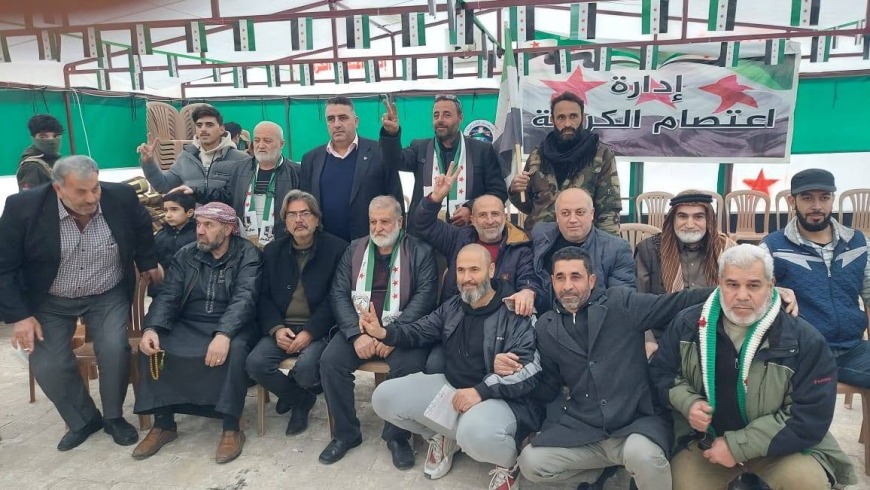
In Deir Ezzor, hundreds of residents continued participating in the “Dignity Sit-in,” which entered its third consecutive day following large demonstrations that moved from Al-Fath Mosque in the city’s Qusour neighborhood to the sit-in tent at the Seven Wells roundabout. Protesters demand accountability, justice for victims and the preservation of the legacy of those who fought against the Assad.
A statement issued by organizers emphasized support for the current government while demanding action against individuals accused of crimes and violations. Protesters also called for transparency in pursuing suspects, combating corruption, supporting families of martyrs and missing persons, and integrating former Free Syrian Army (FSA) fighters into state institutions.
Nour al-Khaldi, a participant in the protests, told The New Arab accountability for former regime-linked figures remains the movement’s primary demand, ahead of reconstruction or service-related concerns. “People didn’t protest because of these things. We are demanding justice and accountability for the regime’s thugs,” he said.
Local Communities Push Back Against Former Regime Figures
Similar sentiments emerged nationwide. In Kafranbel, residents gathered Friday to reaffirm a previous community decision barring the return of individuals who worked with or supported Assad. Protesters carried banners declaring the return of those associated with the Assad regime would dishonor the sacrifices made by victims and their families during the revolution.
The demonstration followed months of local debate over the return of former regime supporters to the liberated areas. Participants argued Kafranbel paid a heavy price through bombardment, arrests and displacement and allowing such figures to return, without accountability, would undermine justice.
Tensions surfaced in other parts of Idlib province. In Salqin, unidentified individuals vandalized businesses owned by people known for supporting Assad, shortly after they reopened. No group claimed responsibility for the attacks.
Meanwhile, protests spread across several Aleppo neighborhoods, including Sukkari, Salahuddin, Ansari, Shaar and Bustan al-Qasr. Demonstrators demanded the removal of former regime loyalists from positions of influence and called for faster implementation of transitional justice measures.
Balancing Justice, Reconciliation and Public Trust
The growing demonstrations indicate the challenge facing Syrian authorities as they pursue transitional justice while also seeking national reconciliation and the return of displaced Syrians to their communities.
The Interior Ministry acknowledged public anger in a recent statement, saying it closely monitors developments in Idlib and understands the pain caused by years of violations. The ministry stressed accountability remains the responsibility of state institutions and confirmed security services continue pursuing individuals wanted for crimes and abuses.
At the same time, officials urged citizens to avoid acts of revenge and to submit evidence through official channels. The ministry emphasized that victims’ rights “will not be lost,” pledging to follow documented cases through legal procedures.
While protesters generally support efforts to hold perpetrators accountable, many demonstrations express frustration over communication rather than a rejection of the government’s commitment to justice. Activists and community leaders increasingly seek clearer information about investigations, prosecutions and the criteria used to determine accountability.
As Syria moves through a complex transitional period, demands from Deir Ezzor, Idlib and Aleppo suggest public confidence will depend not only on judicial outcomes but also on maintaining transparent dialogue with communities affected by years of conflict. For many Syrians, national reconciliation and repatriation remain essential goals, but they argue these objectives must proceed alongside visible accountability and meaningful engagement with victims and their families.