As Syria continues its transition following the fall of the Assad regime, calls are intensifying to ease international sanctions and support reconstruction efforts. The Biden administration plans to announce measures on Monday to accelerate humanitarian aid delivery, though it stops short of lifting sanctions that restrict wider assistance to the new government in Damascus.
Easing Humanitarian Aid Restrictions
The administration’s decision, first reported by The Wall Street Journal, will allow the US Treasury Department to issue six-month waivers enabling aid groups and companies to provide essential services such as water and electricity without requiring case-by-case licensing.
While this move addresses Syria’s immediate humanitarian needs, it reflects the administration’s cautious approach. Officials remain wary of the new government, led by groups previously designated as terrorist organizations, and are seeking guarantees to protect women’s and minorities’ rights before considering comprehensive sanctions relief. “This step ensures humanitarian assistance reaches those in need while maintaining safeguards to prevent misuse of aid,” a senior official said.
Humanitarian & Economic Crisis
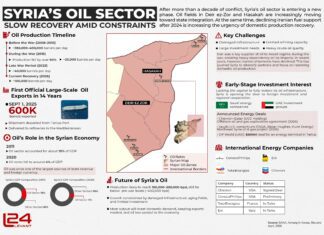
Syria’s economic devastation underscores the urgency of reconstruction efforts. With over 70% of the population living below the poverty line, the nation’s GDP has plummeted from $60 billion in 2011 to $10 billion. Reconstruction costs are estimated at $400 billion.
Sanctions, initially imposed on the Assad regime, have hampered economic recovery by discouraging investment and restricting access to essential resources. Analysts stress the need for a more nuanced approach to sanctions to help the country rebuild while ensuring accountability for past human rights violations.
“Decades of sanctions have severely impacted ordinary Syrians,” said Muhammad Ghanem, a Syrian political activist. “Easing these restrictions could open pathways for reconstruction, employment, and improved living conditions.”
Concerns vs Opportunities
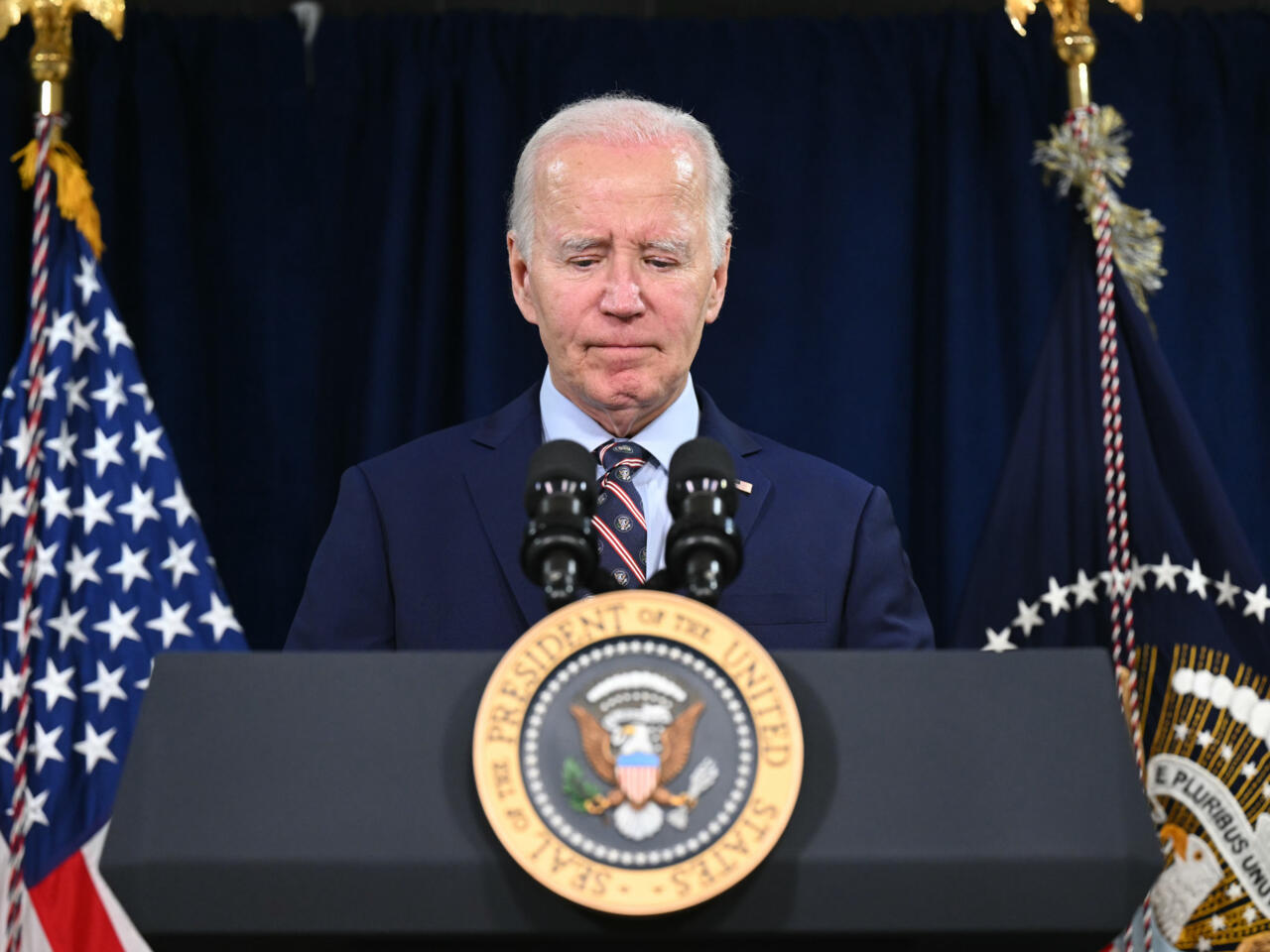
The Biden administration’s cautious stance reflects ongoing concerns about the new leadership’s former ties to extremist groups, even as it seeks to foster stability. Biden has emphasized a measured evaluation of Syria’s transition, stating in December, “We will evaluate not just their words, but their actions.”
Ghanem noted that the planned waivers would provide assurances to international organizations and allow donor nations to fund salaries, repair infrastructure, and expand basic services such as energy and sanitation. However, exemptions exclude key sectors, including telecommunications and defense, due to concerns over corruption and security risks.
Global Coordination
Efforts to address Syria’s reconstruction are gaining international momentum. US Secretary of State Antony Blinken is scheduled to meet European foreign ministers in Rome on Thursday to discuss supporting Syria’s transition. European nations, including Germany and France, have also engaged with the Syrian leadership but remain hesitant to lift sanctions entirely.
German Foreign Minister Annalena Baerbock, after meeting with Syrian officials in Damascus, emphasized the importance of protecting minorities and ensuring European funds are not used to establish “new Islamist structures.”
Meanwhile, the UN and regional powers are urging greater international coordination to aid Syria’s recovery. The EU is reportedly considering steps to streamline the flow of aid while maintaining pressure on the government to fulfill its commitments to human rights and governance reforms.
As the United States and its allies navigate this complex landscape, the road to Syria’s recovery will depend on sustained cooperation, careful monitoring, and a commitment to ensuring that aid reaches those who need it most.