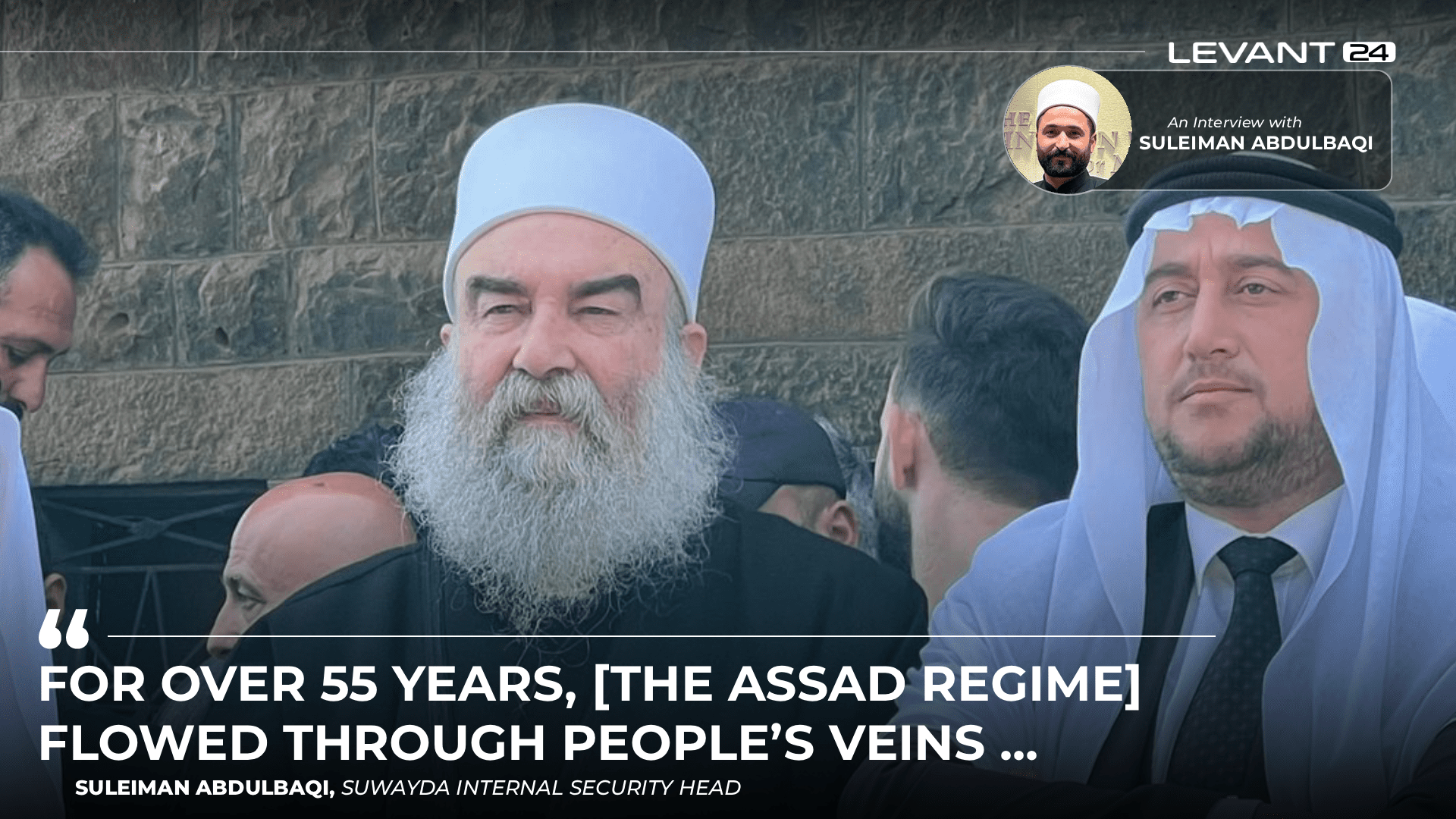
Few figures in Suwayda command as much attention or controversy as Sheikh Suleiman Abdulbaqi. A prominent Druze leader and the current head of the Internal Security Forces in Suwayda city, Abdulbaqi stands at the center of a province struggling to redefine authority, loyalty, and security after the fall of the Assad regime. Appointed to his post in September 2025, he also leads Ahrar Jabal al-Arab, a faction he founded to counter Iranian-backed militias and criminal networks that took root during the war years. His public stance in favor of a unified Syrian state has made him both a rallying point and a target, surviving multiple assassination attempts as tensions escalated.
In this wide-ranging interview with Levant24, Abdulbaqi speaks candidly about internal Druze divisions, the rise of armed factions and separatist projects, Israeli and regional interference, and the lingering legacy of Assad-era security structures. He also outlines his vision for restoring order, accountability, and state institutions in a province teetering on the edge.
_______________________________
Levant24: Who is currently involved in the conflict inside Suwayda, and what are their demands?
Suleiman Abdulbaqi: “Today, there are several actors in Suwayda. They are exploiting the bloodshed that occurred, foremost among them Hikmat al-Hijri and the gangs and factions currently present inside Suwayda. These factions were previously linked to Hezbollah’s militia and were aligned with the fallen Assad regime, and they participated in massacres against our Syrian people. Today, they are the leadership operating under the name of ‘National Guard,’ and they monopolize decision-making in Suwayda.
“There is certainly another side opposing Hikmat al-Hijri’s current. This side represents the majority. However, repeated crimes are committed against them whenever they respond to any decision issued by Hikmat al-Hijri. They are accused of ‘treason,’ marginalized, and socially fought. Suwayda today is on the brink of a fire.”
Levant24: What are the internal disputes among the people of Suwayda from within the Druze community, and how do Arab communities, specifically Bedouin tribes, fit into the overall picture of the governorate?
Suleiman Abdulbaqi: “The majority of the people of Suwayda are unquestionably committed to Syrian identity and to belonging to a single, unified Syria. Any conflict that occurs inside the governorate today is the result of violations committed by militias operating under the name ‘National Guard,’ who are loyal to Hikmat al-Hijri.
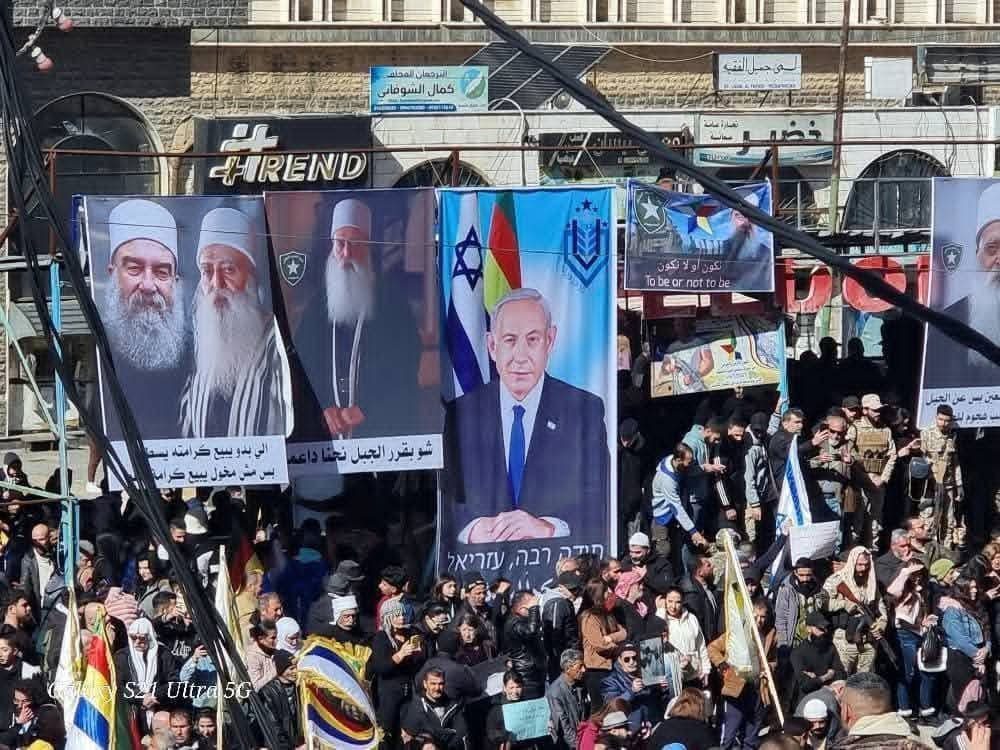
“I stress again that several steps and stages have now clearly revealed Hikmat al-Hijri’s betrayal, especially when he placed us face to face with Israel. This decision triggered major mobilization inside the governorate, with part of the population supporting it. I repeat: the danger lies in monopolizing the governorate’s decision-making, pushing us into a dead end between ourselves and the state, and preventing any work related to state institutions.”
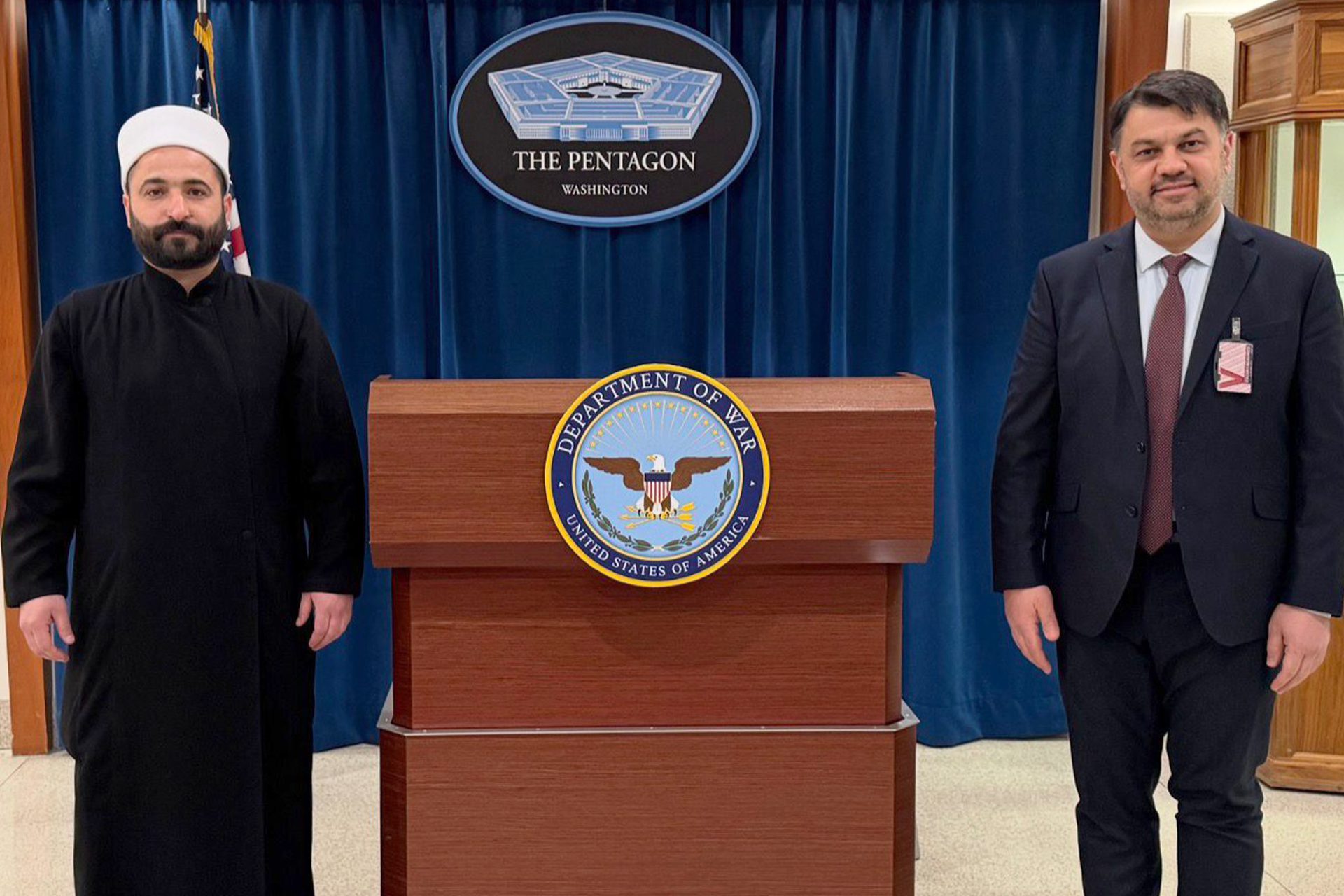
Levant24: Who are the actors driven primarily by political ideology, and who are driven by material benefit or coercion through exploiting their needs?
Suleiman Abdulbaqi: “Those driven primarily by political ideology include elites in Suwayda who try to deliver many messages through social media. These include currents from the Men of Dignity Movement and political currents opposed to the fallen Assad regime. Unfortunately, these groups entered into these dangers and developed a lack of trust in the state, which pushed them toward siding with ‘the Sheikdom,’ (theocratic autocracy) even though they oppose it and are not convinced by it, following the logic that ‘the enemy of my enemy is my friend.’
“As for those chasing financial benefit, they are, frankly, the bad actors in the governorate. Examples include Salman Hijri (Hikmat’s son), Tariq al-Maghoush, Tariq Akhouiss, Louay Abu Faour, Yarub Zahruddin, Muhannad Mazhar, and Salim Ahmad. These are leaders within what is called the National Guard. They extort our people in Suwayda. They also monopolize materials and goods and control checkpoints at Suwayda’s internal entrances, imposing fees and levies on people. Those manning the checkpoints do exactly this.”
Levant24: And what do you say regarding the rise of separatist and independence movements, criminal networks, and competing local power centers in Suwayda?
Suleiman Abdulbaqi: “Today, separatist and independence movements and criminal networks are clearly visible. When Hikmat al-Hijri’s leadership issues a general decision at the governorate level calling for Israel and demanding full separation, a large segment of the population supports this. This does not need explanation or translation.
“However, there are also major movements opposing this direction, and we are working against it, God willing. Yet until now, these groups continue to extract enormous gains from the state. God willing, they will not be struck again as they were previously.”
Levant24: To what extent do remnants of the Assad regime and organized criminal gangs influence decisions in Suwayda?
Suleiman Abdulbaqi: “They exploit emotion and the bloodshed that occurred. You know there is deep hostility between Suwayda and the Assad regime, but the random killing and barbaric attacks on the governorate pushed our people into confusion.
“Over time, anger has begun to subside, and people are turning toward identifying the main figures: Hikmat al-Hijri and the so-called ‘Sheikdom’ and political bodies and groups operating under his leadership or influence.
“I mentioned some names earlier, and the list is long: Zahir Bouziad, his brother-in-law Maher al-Halabi, Khaldoun Hijri, Malik Abu Khair, who today also controls decisions around Hikmat al-Hijri through funding. There are many individuals helping Hikmat al-Hijri with this project, most of them gang leaders. He relies on kidnapping gangs and thieves who previously operated under the Assad regime’s umbrella.
“Hijri’s actions are more than confessions. Yesterday there was a clear and explicit admission of coordination with Israel. This exposes his betrayal and collaboration. Previously, he was shielded by figures like Wafiq Nasser.
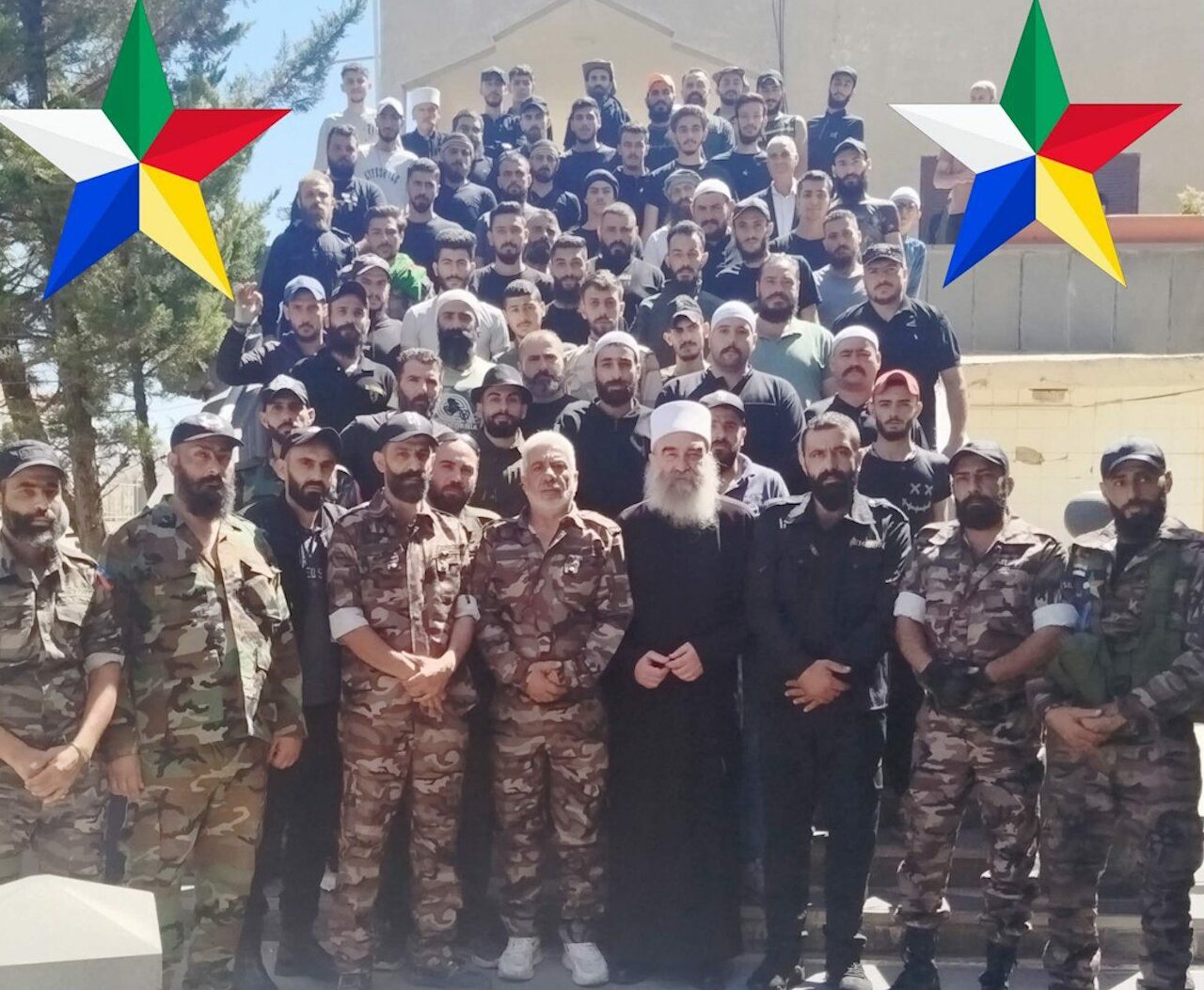
“In our view, the direct decision-maker is clearly international, and the exposure of Hikmat al-Hijri’s role has led us to rely on honorable people inside the governorate. Today, our steps are firm. We have training and qualification camps for all personnel joining the Internal Security Forces under the Ministry of Interior. This framework is being imposed as a necessary decision for everyone.”
Levant24: How have Israeli foreign interventions affected local dynamics?
Suleiman Abdulbaqi: “Continuous and uninterrupted funding, even when disguised as ‘projects,’ created absolute loyalty to Israel and submission to it. However, Israel’s ambitions cannot fully be realized due to Syrian geography. Still, they maintain leverage.”
Levant24: Will foreign support disappear once a security agreement with Israel is signed?
Suleiman Abdulbaqi: “Today, the Syrian state is focused on this. Even the president publicly stated that Syria seeks to build a state of peace. This no longer needs interpretation. Let us work on this point and clarify it. Israel may use the Druze as a pressure card against the Syrian state, as it has done before. But if an agreement is reached, I can assure you that there will be an almost complete abandonment of Suwayda’s current reality, with security guarantees maintained only to protect the Druze inside Israel.”
Levant24: What is the impact of the failure of Assad’s era and its formal and informal security arrangements on the current situation?
Suleiman Abdulbaqi: “For over 55 years, this system flowed through people’s veins. … Domination through intelligence services, killing, repression, arrests, impoverishment, displacement, spreading discord, and fighting the people of Suwayda with every available means. The regime erased our history. Assad’s rule humiliated the people of Suwayda more than anything else. More than double Suwayda’s population was displaced under his rule.”
Levant24: How realistic is reaching a solution in 2026?
Suleiman Abdulbaqi: “Today, full reliance is on the success of the international process. This is the guarantor. God willing, we are advancing. Today there are nearly 400 people from Suwayda enlisted in the Internal Security Forces. God willing, this will become 2,000, 3,000, even 4,000. People will return to their villages under security protection, with international involvement, peaceful negotiations, and engagement only against hostile targets under the label of armed groups.”
Levant24: What are the risks of escalation or further division if current developments continue?
Suleiman Abdulbaqi: “If negotiations reach a dead end, decisive intervention in Suwayda may occur. But we are constantly trying to avoid international escalation, to prevent dragging our people into conflict and bloodshed. The situation inside the governorate remains extremely difficult.”