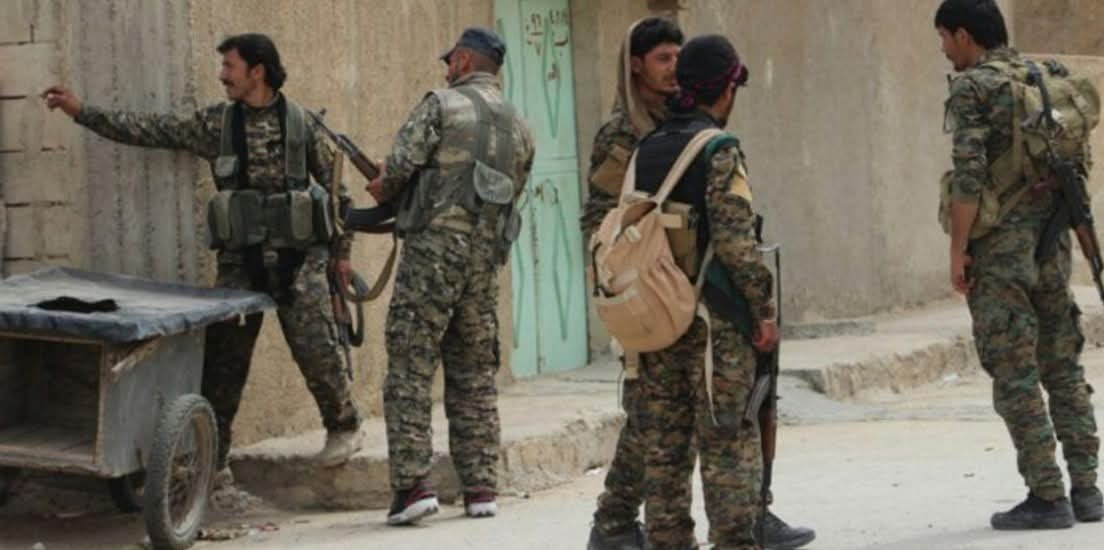
With less than a week remaining before the end of the year deadline for implementing the March 10 agreement, talks between Damascus and the Syrian Democratic Forces remain stalled, despite public statements from both sides signaling commitment to dialogue. The agreement, signed by President Ahmad al-Sharaa and SDF commander Mazloum Abdi, set out eight clauses, most notably the integration of SDF military and civilian institutions into state structures by year’s end.
Syrian officials now say progress has fallen short. An official source at the Ministry of Foreign Affairs told SANA, December 26, that discussions about integration remain “theoretical” and lack clear executive steps. The source said the continued existence of security and administrative bodies outside state control undermines stability and raises doubts about the SDF’s seriousness in fulfilling its commitments.
Conflicting Messages from Damascus and the SDF
Abdi, speaking Thursday during a meeting of the SDF advisory body in Tabqa, said there was a “common understanding” with Damascus on integrating forces and managing border crossings and natural resources, which he described as belonging to all Syrians. He said constitutional questions required more time and deeper dialogue, arguing that decentralization offered a workable framework within a unified Syrian state.
Damascus rejected that characterization. The Foreign Ministry source said calls for decentralization went beyond administrative arrangements and risked entrenching political and security divisions. He added that statements about shared ownership of oil resources lacked credibility as long as revenues remained outside the state budget.
Independent Kurdish Movement coordinator Zaid Safouk told the New Arab that international pressure had pushed both sides toward de-escalation, but subsequent developments had “effectively nullified” parts of the March agreement. Safouk said a deal could be finalized quickly but implementation could take months or years.
Alleged Violations and Civilian Harm
As negotiations falter, reports of violence in SDF-controlled areas have drawn renewed scrutiny. Journalist Musa al-Khalaf told the New Arab that SDF forces summarily executed three members of the same family during a raid Tuesday in Jadida Kahit, east of Raqqa. The victims, a woman in her seventies, a man in his forties and a 27-year-old man, reportedly worked at a local bakery and had no links to armed groups. Khalaf said the raid took place under the pretext of pursuing ISIS cells and involved international coalition forces.
The SDF said separate operations in Deir Ezzor dismantled ISIS cells, while private sources told the outlet civilians were among those killed during raids. In Aleppo, the SDF accused Syrian government forces of shelling the Jamiliya neighborhood, killing one person and injuring 19. Emergency and Disaster Management Minister Raed al-Saleh countered on X that in reality SDF fire had targeted rescue teams three times, injuring two staff members.
International Pressure as Deadline Approaches
Field sources reported new SDF reinforcements moving toward front lines near Aleppo and Deir Ezzor, while Syrian army officials said they were prepared to respond to “any escalation.” With the deadline for forming joint implementation committees days away, international actors continue to urge restraint and progress. Both Damascus and the SDF maintain that dialogue remains the preferred path. Whether the March 10 agreement can still serve as a framework for integration now appears uncertain as the clock runs out.