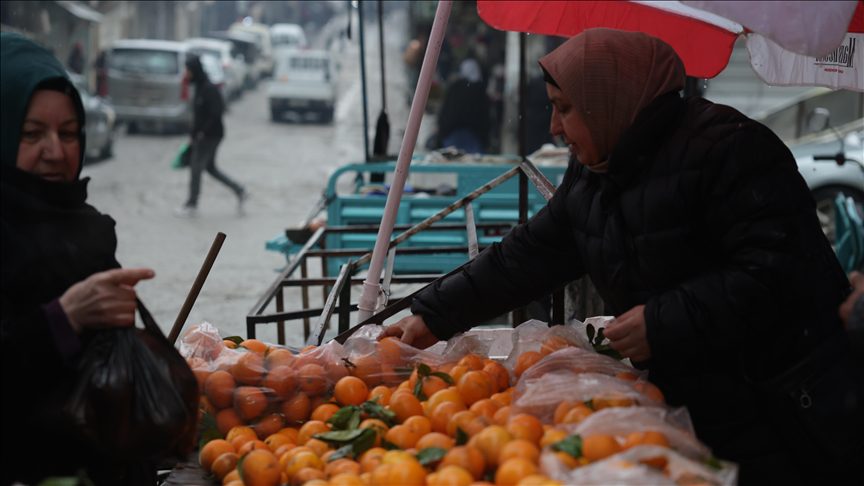
Aleppo city has entered a new phase of recovery as authorities declared the end of the emergency humanitarian response in the Ashrafieh and Sheikh Maqsoud neighborhoods, weeks after government forces took control of the areas. Aleppo Gov. Azzam al-Gharib said more than 90 percent of displaced residents have returned, marking what officials describe as a decisive step toward restoring normal daily life under central government administration.
In a statement posted Friday on his official Facebook page, al-Gharib said security and stability had returned to both neighborhoods, allowing public institutions to resume operations and families to move back into their homes. All roads previously blocked by earth and cement barriers have reopened, easing access and improving traffic flow across northern Aleppo.
Services Resume as Infrastructure Repaired
The return of residents has coincided with a rapid restoration of basic services. According to Gharib, about 22,000 kilograms of bread are distributed daily through bakeries now operating around the clock. The Ashrafieh post office has also reopened, providing postal and civil registry services that had been unavailable for years.
Electricity crews have repaired roughly 80% of the local power network, with electricity gradually returning to homes and businesses, the governor said. Water, communications and transportation workshops have also deployed across the neighborhoods to address infrastructure damage and service interruptions.
Public transportation has expanded with the activation of three internal bus lines linking Ashrafiyah and Sheikh Maqsoud to other parts of the city. Health services have also increased, with two dispensaries and four mobile clinics now operating to meet immediate medical needs, according to the governor’s statement.
Focus on Education and Family Returns
Education has emerged as a priority as displaced families return. Gharib said work is underway to rehabilitate 10 schools in Ashrafieh and Sheikh Maqsoud, with plans for them to reopen at the start of the second semester. Heating equipment is also being installed to ensure classrooms are ready for winter conditions.
Muhammad Abdurahman of the Aleppo City Municipality said inspections revealed extensive damage to school buildings, which he attributed to years of fighting and their use as military positions. He said repair work began immediately to prepare the facilities for students’ return.
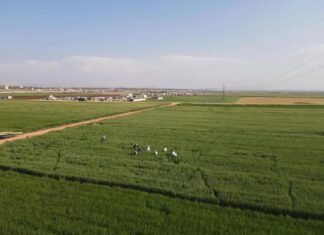
Beyond the city, education teams have assessed damage in the eastern Aleppo countryside following the exit of SDF-affiliated forces from Deir Hafer and Maskanah. Abdurahman said 68 schools in Deir Hafer and 103 in Maskanah require repairs, adding that the Education Directorate is coordinating with partners to equip them before the new semester.
Transition Toward Long-Term Stability
Local authorities have also closed three temporary shelters to encourage families to return home, according to Aleppo governorate social media accounts. A coordination meeting held Jan. 12 by the Central Committee for Aleppo Response reviewed service levels and outlined plans to improve infrastructure in the coming phase. Officials said the focus now is on consolidating security, expanding services and creating conditions for lasting stability, as Aleppo continues its transition from emergency response to long-term recovery.