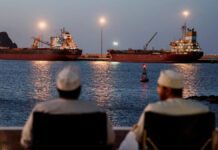
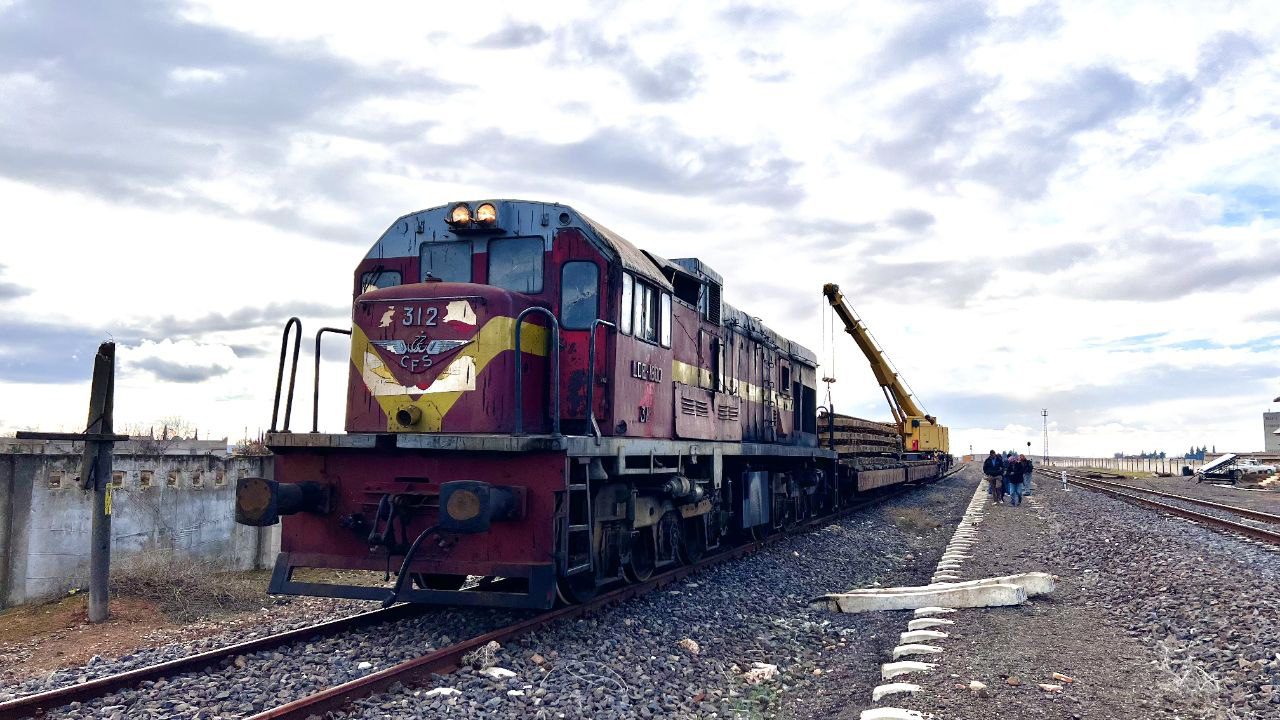
 After a 15-year hiatus, freight trains have officially resumed service on Syrian railways. The first grain-carrying train departed from the port of Latakia toward the city of Aleppo, passing through the governorates of Homs and Hama. This trial journey, transporting approximately 1,500 tons of grain, marks a significant milestone in efforts to revive the national rail transport system and strengthen food security.
Reviving a Vital Artery and Easing Pressure on Roads
Officials at the General Establishment of Syrian Railways confirmed that reactivating the Latakia–Aleppo line aims to restore one of Syria’s most important transportation arteries. The line links Mediterranean ports with major industrial, agricultural, and consumer centers inland, enhancing supply-chain efficiency.
Among the immediate benefits of rail transport are reducing the heavy burden on road networks, easing traffic congestion, and limiting damage to highways caused by heavy trucks. Rail transport is also safer, more cost-effective, and capable of moving large quantities of essential goods over long distances.
Infrastructure Challenges and Rehabilitation Efforts
Restarting operations required overcoming substantial challenges, including severe deterioration of rail infrastructure and a shortage of operational locomotives. Muhammad al-Hajji, Assistant Director of the Latakia Railway Branch, explained extensive maintenance and rehabilitation works were carried out on the tracks.
Renovations occurred alongside the repair and reactivation of several idle locomotives, to ensure safe and reliable operations. These efforts, he noted, are part of a broader national plan to rehabilitate railway lines connecting major Syrian cities and gradually restore the network’s full operational capacity.
Supporting the Economy and Strengthening Food Security
The revival of this strategic rail line goes beyond transportation, it represents a concrete step toward supporting the national economy. Rail transport significantly reduces the cost of moving essential commodities such as grains, fuel, and industrial materials, helping to stabilize prices and ease pressure on consumers.
Moreover, it directly enhances food security by ensuring the steady flow of large quantities of grain from ports to inland storage and processing facilities. The Aleppo silos, the first destination of this journey, symbolize the line’s renewed role in sustaining the country’s food supply chain.
The return of freight trains between Latakia and Aleppo signals renewed hope for the railway sector to reclaim its place as a cornerstone of Syria’s reconstruction and economic recovery, after years of stagnation and disruption.