 On Feb. 2, 1982, the forces of the Hafez al-Assad regime stormed the city of Hama,
initiating one of the most brutal massacres in modern history. For 27 days, the city endured a suffocating siege marked by indiscriminate shelling, field executions and mass arrests. This campaign resulted in the killing of an estimated 40,000 civilians, the forced disappearance of more than 17,000 others, and the complete destruction of entire neighborhoods, solely because their residents said “no” to oppression.
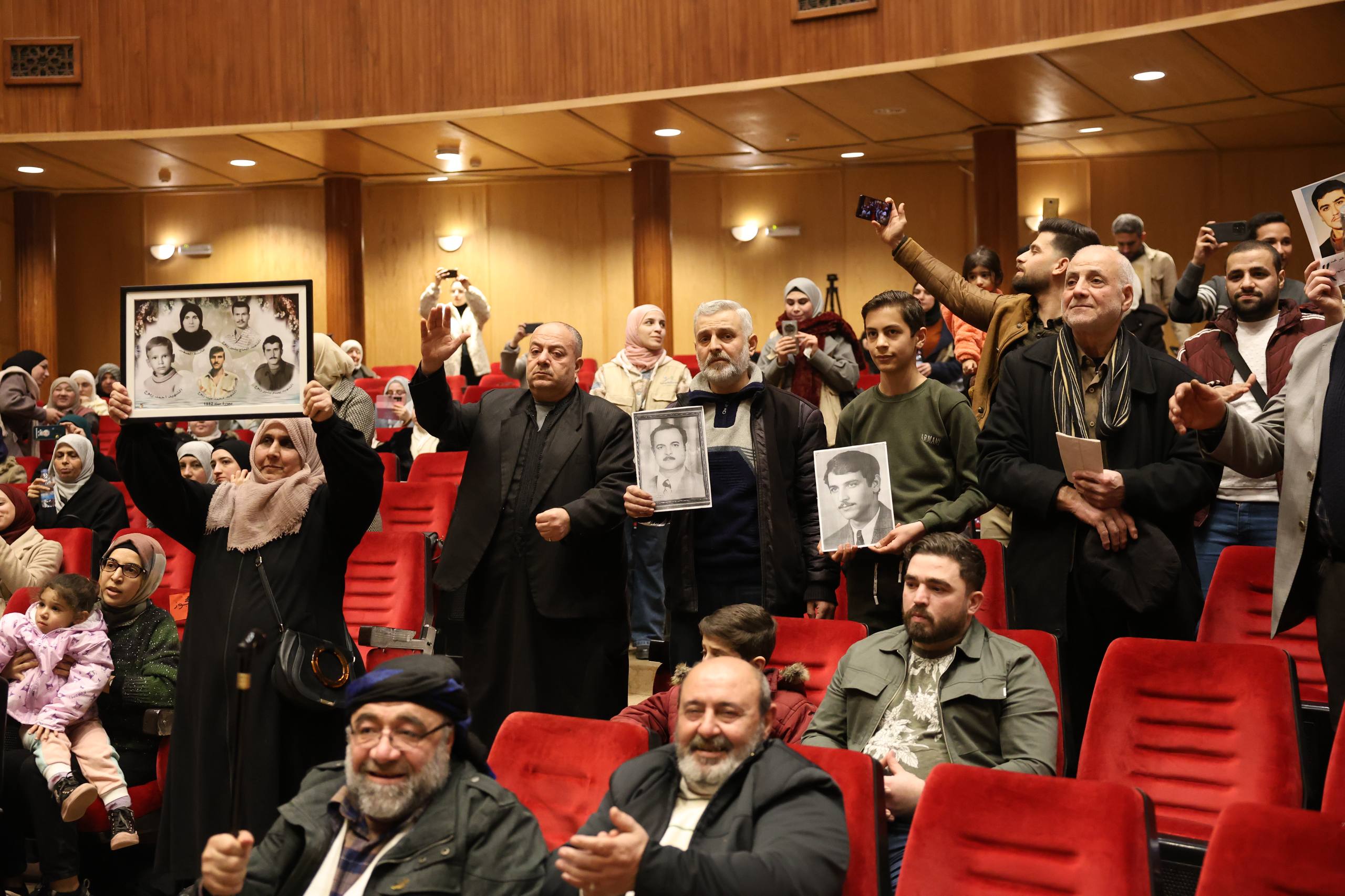
With Syria’s liberation from the former regime, the people of Hama were able, for the first time, to publicly commemorate the 44th anniversary of the massacre on Feb. 2, 2026. This symbolic act restores dignity to the victims and opens the door to a long-awaited path toward justice, decades in the making.
Accountability for the Hama Massacre a “Fundamental Step” for a New Syria
In a statement to Levant24, Fadel Abdulghani, director of the Syrian Network for Human Rights (SNHR), said, “For forty-three years, this massacre remained one of the strictest taboos in Syrian society. In the post-Assad era, reopening this file emerges as a fundamental step toward building a state based on justice and the rule of law, confronting both the direct horror of the massacre and the culture of impunity entrenched by the regime.”
Under established principles of international law, Abdulghani affirmed that these acts constitute crimes against humanity, as they were part of a widespread and systematic attack directed against a civilian population. He stressed such crimes are not subject to any statute of limitations, and the passage of over four decadesdoes not absolve the legal responsibility of those who ordered, planned or carried out the Hama massacre.
Survivors’ Testimonies: A Memory That Will Not Fade
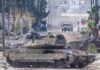
Despite the march of years the details of the massacre remain vivid in the memories of its survivors. In early February 1982, residents of Hama awoke to the sound of tanks overrunning neighborhoods including Assida, Shamaliyya, Zanbaqi, Kilaniyya, Bayn al-Hirayn, Sharqiyya, Hamidiyya, Barudiyya, Sakhana, Bashura, Amiriyya and Manakh. A comprehensive siege was imposed, with communications, water and electricity cut off, alongside a curfew to isolate the city. Indiscriminate shelling that spared neither flesh or stone followed.
Speaking to Levant24, Abdulqadir al-Kilani, 65, recounted how he miraculously survived after regime forces fired bullets at him in the Kilaniyya neighborhood. “Until now, I still remember the bitterness of how my younger sister was killed by an artillery shell while we were fleeing the neighborhood to my grandfather’s house in Hadder,” he said.
He recalled seeing dozens of bodies of women, children and young men strewn across the streets as regime forces fired on everything in sight. Residents, he added, remained trapped in their homes until Feb. 25, unable to leave or bury the victims.
Ahmad Murad, from the Zanbaqi district, said he was 10 years old at the time of the massacre and still vividly remembers the execution of 15 people in front of him, including his father and brother. They were shot after being forced to line up against a wall.
He noted that the shelling targeted all neighborhoods without distinction between homes, places of worship or medical clinics. “Everything was hit,” he said, resulting in a massive number of martyrs and wounded.
The public commemoration and events in Hama mark a pivotal moment, transforming decades of private grief and enforced silence into a collective demand for historical accountability and justice, while ensuring the story of Hama is never again absent.