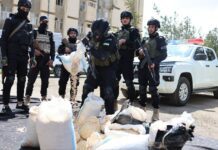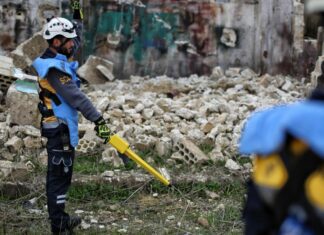
The Syrian Ministry of Interior announced Friday, Feb. 6, the results of its anti-narcotics operations for the second half of 2025, reporting large-scale seizures and arrests tied to domestic and cross-border smuggling networks. The figures were distributed through the ministry’s channels.
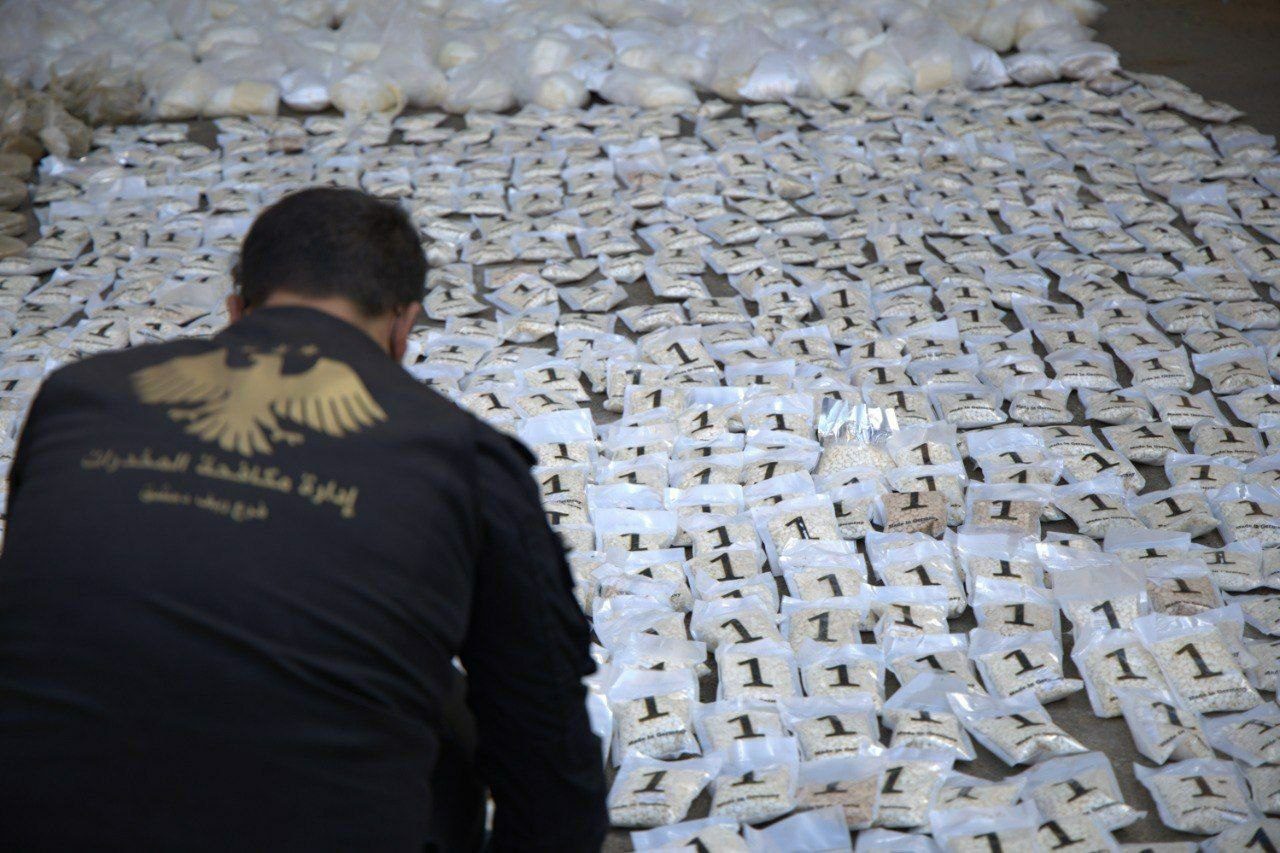
According to the ministry, internal counter-narcotics operations resulted in the seizure of approximately 25.2 million Captagon pills and about 1,750 kilograms of hashish inside Syrian territory. Officials said the results reflect expanded enforcement efforts following the fall of the ousted Assad regime and a renewed focus on dismantling smuggling infrastructure.
In parallel, international counter-narcotics coordination led to the seizure of roughly 23 million additional Captagon pills, 229 kilograms of hashish, about 54 kilograms of crystal meth, and 500 kilograms of raw materials used in drug manufacturing.
Border Operations Target Smuggling Routes
The ministry described operations along the Syrian-Turkish border as the most significant external success. Authorities seized about 14 million Captagon pills and arrested 26 individuals connected to smuggling networks operating in the area.
Along the Syrian-Iraqi border, officials reported the seizure of nearly 6 million Captagon pills and 119 kilograms of hashish, as well as the arrest of approximately 31 people. The ministry said several network leaders were dismantled during these operations, including individuals identified as key coordinators for cross-border trafficking.
Additional seizures were reported on other regional routes. Between Syria and Kuwait, authorities intercepted about 1.2 million Captagon pills and 100,000 Lyrica pills. Operations on the Syrian-Jordanian border resulted in the seizure of roughly 1.094 million Captagon pills, along with 153 kilograms of cocaine originating from Brazil.
Between Syria and Saudi Arabia, officials seized about 230,000 Captagon pills and arrested three people involved in smuggling activity. The ministry added that over one million Captagon pills and another 153 kilograms of Brazilian cocaine were seized along other international routes, with 10 arrests made. Some shipments were concealed in tomato paste containers and truck tires, officials said.
Officials Say Manufacturing Phase Has Ended
Anwar Abdulhay, spokesman for the Anti-Narcotics Department, said Syria is no longer a Captagon manufacturing country. In an interview with Syria TV last June, Abdulhay said the drugs currently being seized were produced prior to the new government’s campaign and were intended for export.
He said many confiscated warehouses belonged to figures linked to the Assad regime and were previously protected by commanders from the Fourth Division. Abdulhay also pointed to long-standing smuggling corridors along the Lebanese border, including areas such as Hawik, as targets of recent enforcement.
International observers have taken note of the campaign. On Dec. 22, the UN Office on Drugs and Crime commended Syria’s efforts, stating that since December 2024 authorities have dismantled about 15 industrial laboratories and 13 smaller storage sites, sharply reducing production that once reached millions of tablets per day.