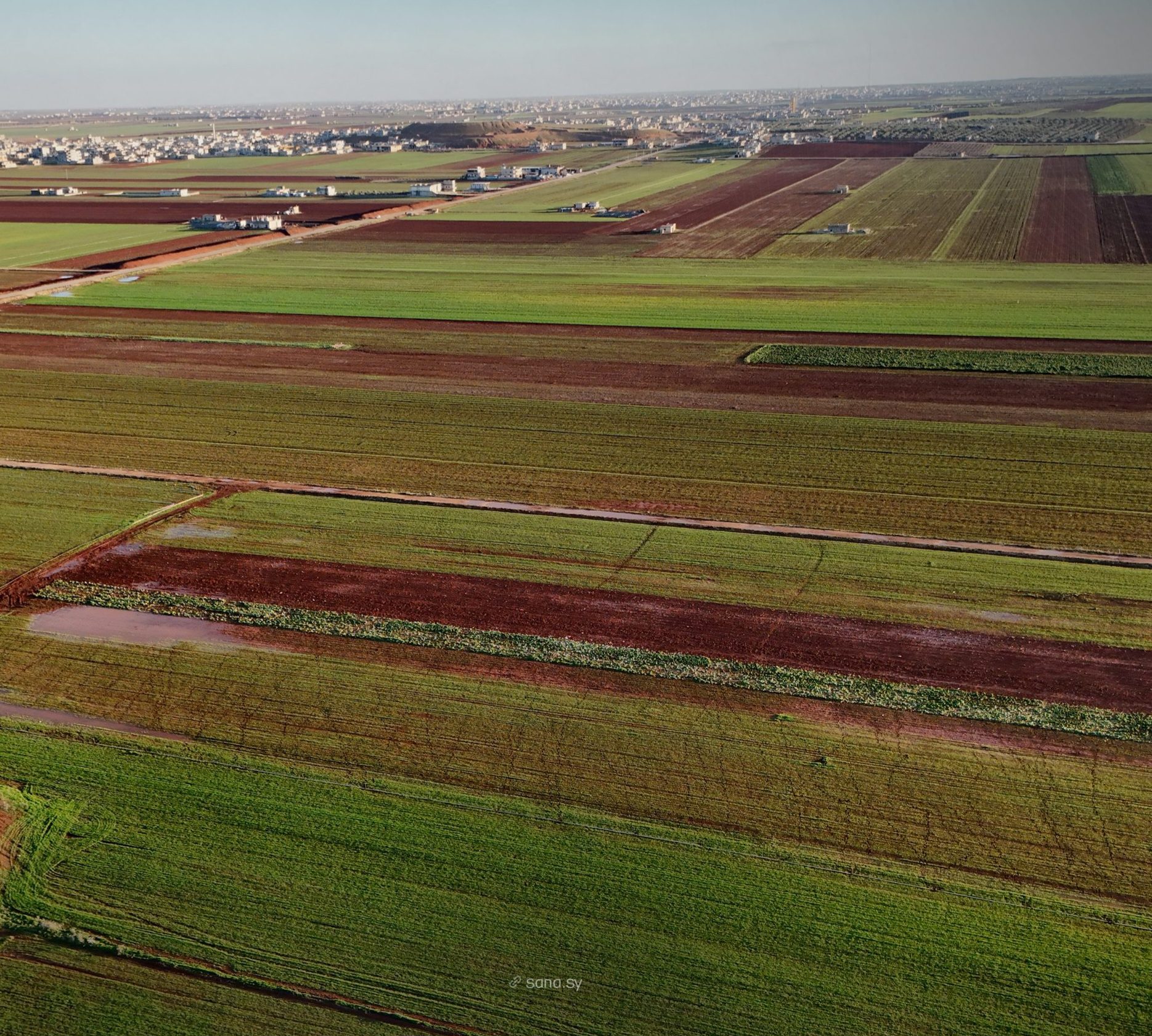
The rehabilitation of the gene bank at the International Center for Agricultural Research in the Dry Areas (ICARDA) in Aleppo marks a major step in restoring one of the region’s most important agricultural research hubs. The center plays a key role in supporting crop productivity, preserving plant genetic resources and strengthening the expertise of researchers and agricultural specialists across Syria and the wider region.
Zakaria Kehel, head of the Research and Genetic Resources Team at ICARDA, said the organization’s headquarters in Tel Hadya, Aleppo, suffered widespread destruction, looting and sabotage in the years prior to the area’s liberation. Laboratories, equipment and infrastructure were rendered inoperable, and the original seed collection stored on site was lost. As a result, research and laboratory work came to a complete halt.
Safeguarding Seeds Abroad
Despite the damage in Aleppo, ICARDA was able to preserve its genetic resources thanks to prior adherence to international gene bank standards. Before the conflict, backup copies of its Syrian seed collection had been deposited at the Svalbard Global Seed Vault in Norway, as well as in other international gene banks.
These preserved samples were later retrieved and regenerated. In 2014, regenerated material was stored in newly established gene banks in Lebanon and Morocco. An additional backup copy was again sent to the Svalbard Global Seed Vault to ensure long-term security.
The restoration of the Aleppo gene bank represents a renewed commitment to protecting agricultural biodiversity and rebuilding scientific research capacity, reinforcing Syria’s collaboration with international partners in safeguarding vital crop resources for future generations.