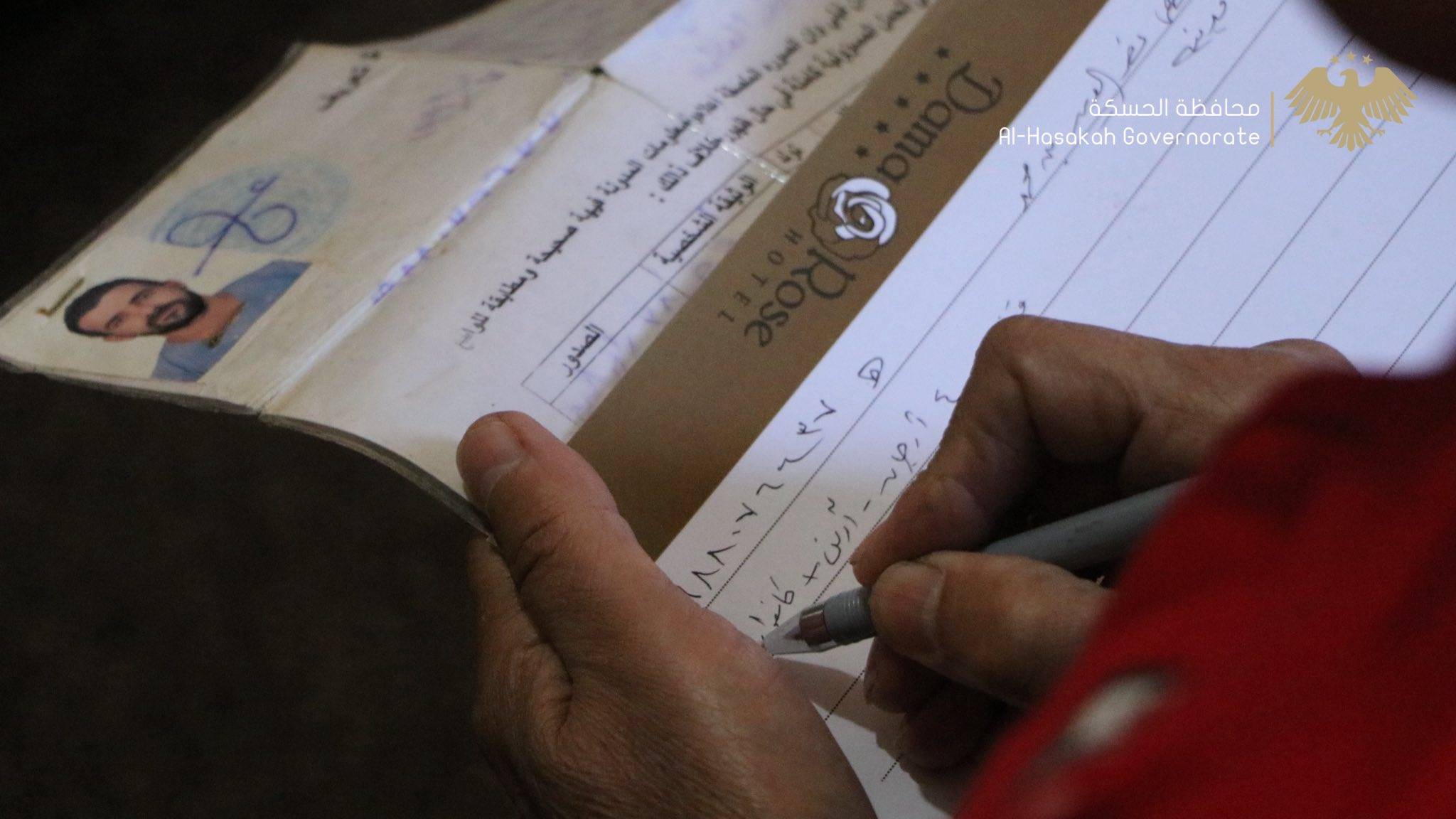
 The UN High Commissioner for Refugees (UNHCR) has welcomed ongoing efforts to implement Presidential Decree No. 13 of 2026, which allows eligible Syrian Kurds, including those not registered in civil records and known as “Makhtoumi al-Qayd” (hidden from the registry), to obtain Syrian citizenship after decades of legal uncertainty. The decree addresses the status of individuals whose nationality remained unrecognized and who lacked official civil documentation, leaving many without access to basic rights and public services.
Thousands Submit Citizenship Applications
Over 10,500 people applied for citizenship since the process began in April 2026, prompting authorities to extend the registration period. The UNHCR supported awareness campaigns and assistance efforts, stressing resolving statelessness is essential for promoting inclusion and strengthening social cohesion.
On May 22, Syrian authorities announced they had received 2,892 family applications covering 10,516 individuals since registration opened on April 6. Applications have been processed through dedicated centers in Damascus, Aleppo, Hasakah, Raqqa and Deir Ezzor. Because of continued demand, authorities extended the application period by an additional 15 days at selected centers after the initial one-month registration deadline expired.
Addressing the Legacy of the 1962 Census
The UNHCR said the decree represents a significant step toward resolving the long-standing consequences of the 1962 Hasakah Census. That census stripped thousands of people of their citizenship, leaving many without access to education, healthcare and employment, while also limiting their civil, political and cultural rights.
For decades, affected families faced legal and social challenges resulting from their uncertain status. According to the UNHCR, addressing these issues remains an important part of ensuring equal access to rights and opportunities for all citizens.
Cooperation to Support Applicants
To increase awareness of the application process, the UNHCR worked with relevant authorities to prepare informational materials in Arabic and Kurdish explaining eligibility requirements and application procedures.
The agency’s legal partners are also providing assistance and coordination services at registration centers. The UNHCR said it will continue working with Syrian authorities and partner organizations to ensure the process remains accessible and sustainable for applicants.
Syrian Interior Minister Anas Khattab stated the ministry is continuing to implement Presidential Decree No. 13 of 2026, as part of broader efforts addressing the civil and legal status of Syrian Kurds. He said the initiative aims to strengthen equal citizenship, support social stability and protect the civil rights of all citizens.
Aseer al-Madaien, acting UNHCR representative in Syria, said resolving statelessness is a fundamental step toward improving protection, promoting social integration and strengthening community cohesion. She added that the UNHCR will continue cooperating with authorities and partners to support affected communities and help them obtain official documentation and access their rights.