Syrian President Ahmad al-Sharaa has intensified diplomatic outreach to regional leaders as Damascus seeks to prevent the widening war involving Israel, the US and Iran from destabilizing neighboring countries.
In a joint call with French President Emmanuel Macron and Lebanese President Joseph Aoun, Sharaa reaffirmed Syria’s support for Lebanon’s sovereignty and security. According to the Syrian presidency, Sharaa expressed backing for “the Lebanese government’s efforts to restore sovereignty, strengthen security, and disarm the Hezbollah militia.”
Sharaa also stressed the importance of opening what he described as a new chapter in Syrian-Lebanese relations based on cooperation and coordination between the two countries. Syrian officials said such coordination aims to serve the interests of both peoples and strengthen regional stability.
The leaders agreed to maintain communication and joint coordination in the coming period to support stability in the region and expand opportunities for cooperation between Syria and Lebanon across several sectors.
The call followed earlier conversations between the neighbors wherein they discussed the security implications of the broader regional crisis. According to the Syrian presidency, both leaders emphasized the need to preserve the security of Syria and Lebanon while preventing attempts to destabilize either country.
Syrian Warning at UN
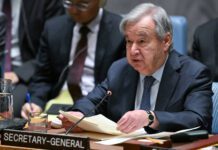
Syrian officials have also raised concerns about the regional fallout from the conflict during diplomatic engagements at the UN. Syria’s Permanent Representative Ibrahim Olabi warned of what he described as a dangerous escalation across the region. Saying such escalation could hinder the Lebanese state’s ability to carry out its responsibilities, including efforts related to disarming Hezbollah.
Olabi also warned continued fighting could trigger broader instability across the Middle East. The Syrian envoy also highlighted the humanitarian risks associated with the conflict. He warned against policies leading to the displacement of civilians through bombardment or destruction, saying such developments could create humanitarian consequences that would be difficult for Lebanon and Syria to contain.
Broader Arab coordination
Beyond Lebanon, Syrian officials have reportedly engaged in discussions with leaders across the Arab world about the possibility of deeper regional coordination. Lebanese newspaper Al-Modon reported Sharaa recently held contacts with leaders in Lebanon and the Gulf states discussing the evolving conflict between Israel and Iran and the risk that it could expand into additional countries.
According to the outlet, Sharaa conveyed Syria’s readiness to cooperate with Arab states in several areas, including the potential use of Syrian territory as a strategic land corridor for transporting goods. The proposal was presented as an alternative to maritime shipping routes that have faced rising security tensions during the conflict.
The report also said Sharaa raised the idea of establishing a joint Arab military operations room aimed at coordinating responses to potential security threats linked to the war. According to the sources, Sharaa warned that the conflict could expand into the Gulf region and expose Arab states to missile attacks, drone strikes or other forms of security threats. The President also expressed concerns Iran could seek to broaden the confrontation to include Syria, Iraq and Lebanon if tensions continue to escalate.
Regional Cooperation
Regional security concerns have led Syria to increase coordination with neighboring countries, particularly along its borders. Syrian authorities recently strengthened military deployments along the borders with Lebanon and Iraq. Movements described as part of agreements designed to secure border areas and prevent tensions resulting from armed group movements near the frontier.
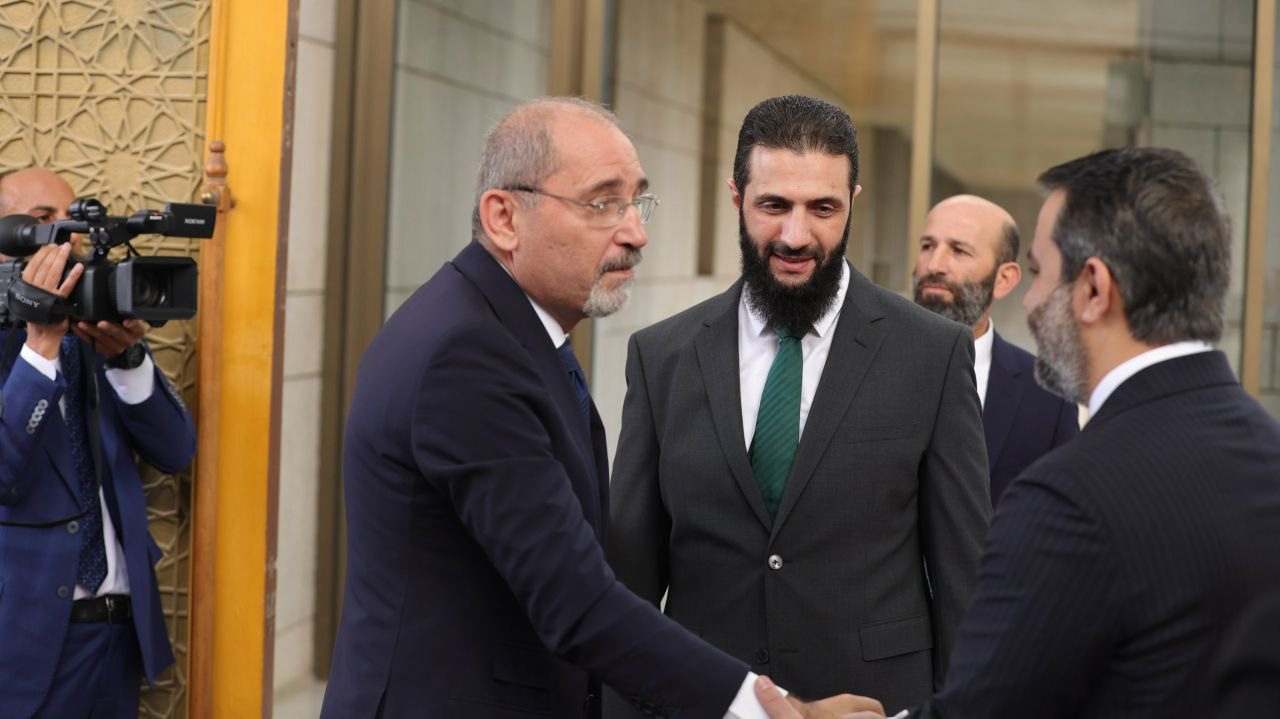
Syrian officials also sought to reassure regional partners deployments are aimed at preventing instability rather than expanding Syrian influence in neighboring countries. At the same time, Damascus has stepped up diplomatic engagement with Jordan. Friday, March 13, a senior Jordanian delegation led by Foreign Minister Ayman Safadi met with Sharaa and other Syrian officials to discuss expanding security and defense cooperation.
According to statements released after the meetings, the two sides discussed joint efforts combating terrorism and countering drug and arms smuggling along the Syrian-Jordanian border. Officials also explored cooperation in economic sectors including trade, transport, water and energy.
Jordanian officials said a delegation of over 30 business leaders is expected to visit Damascus soon to explore potential investment opportunities as the two countries seek to strengthen economic ties alongside their security coordination.