
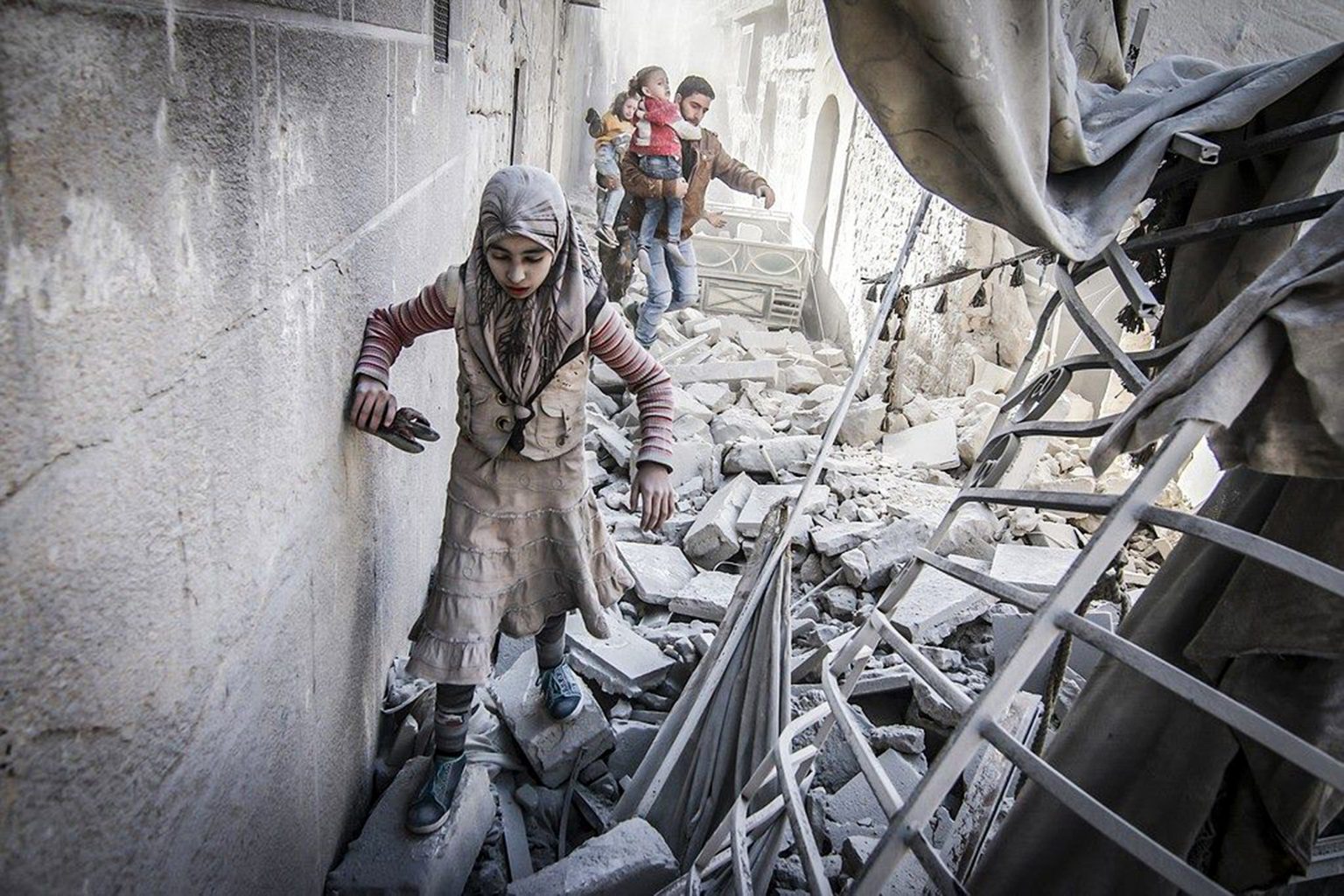
 In the context of over a decade of conflict in Syria, documenting the massacres and human rights violations has emerged as a critical tool for accountability. As traditional justice mechanisms weakened, documentation evolved from a record-keeping exercise into a strategic foundation for future legal action, preserving evidence and amplifying the voices of victims.
Fadel Abdulghani, head of the Syrian Network for Human Rights (SNHR), emphasized that documentation efforts go beyond routine reporting. Instead, they are designed to build credible, legally robust records which can be used in international courts. These efforts align with findings from Amnesty International, which has classified violations committed during the conflict as war crimes and crimes against humanity, underscoring the importance of systematic evidence collection.
Ensuring Accuracy in Wartime Conditions
Since 2011, the SNHR developed a methodology based on an extensive network of sources both inside and outside the country. The organization relies on multiple layers of verification before documenting any incident, including testimonies from families, eyewitness accounts, and analysis of visual materials.
For large-scale incidents, the SNHR implemented a specialized digital archiving system that records detailed data such as geographic location, weapon type, and the party responsible. This structured approach enhances the credibility and usability of the information in legal contexts.
Building a Digital Archive for Accountability
To standardize its reporting, the SNHR defines a massacre as any incident in which five or more peaceful civilians are killed in the same place and time. Abdulghani explained that the designation “peaceful” reflects the victim’s status at the time of the event, with individuals presumed to be civilians unless proven otherwise through conclusive evidence.
The organization has established advanced databases capable of cross-referencing information, significantly increasing their value for international institutions. The Office of the United Nations High Commissioner for Human Rights has relied on SNHR data as a primary source for estimating casualty figures in Syria.
In addition, the SNHR has compiled a database identifying over 16,000 individuals allegedly involved in violations, categorized according to their roles within command structures. This level of detail strengthens efforts to trace responsibility and support future prosecutions.
Documentation as a Path to Justice
According to Abdulghani, documentation has already contributed to legal proceedings abroad. Cases brought before European courts under the principle of universal jurisdiction have drawn heavily on documented evidence of detention and torture practices in Syria. However, such cases remain limited in scope, as they target individuals rather than entire systems.
Despite these efforts, significant challenges persist. The SNHR notes that documented figures likely represent only a fraction of actual violations, due to fears among families and restricted access to certain areas over extended periods. To address these risks, the organization prioritizes source protection by anonymizing identities and maintaining secure backup systems.
Preserving Evidence for the Future
Human rights organizations continue to stress that accurate documentation is the first step toward accountability. As Amnesty International highlights, preserving evidence ensures that violations cannot be denied or erased. Abdulghani summarized the mission succinctly: while documentation may not stop violations in real time, it ensures that they are recorded with precision, laying the groundwork for justice in the future.