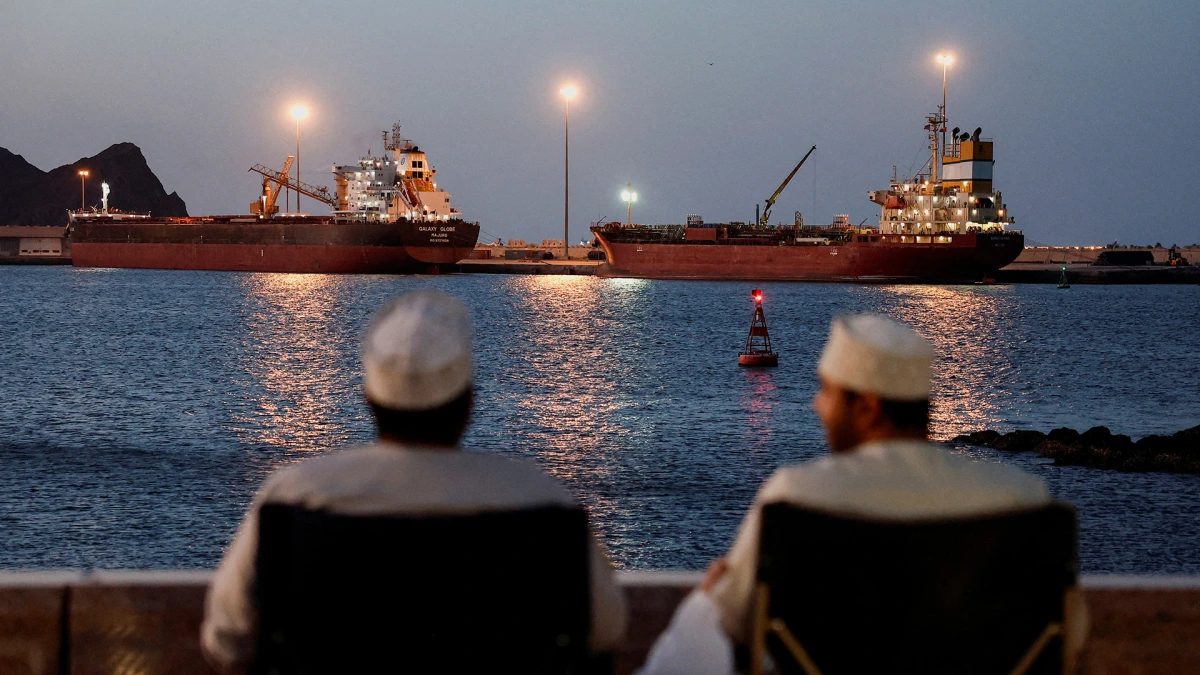
As the continuing Israel, US and Iran conflict disrupt the Strait of Hormuz, Syria finds itself caught between economic shockwaves and emerging strategic opportunities. The closure of one of the world’s most critical energy corridors is not only testing domestic resilience but also reshaping Syria’s potential role in regional trade.
Price Shock and Domestic Market Pressure
Economic researcher Karam Khalil described the closure as a “geopolitical tool reshaping the region’s power balance,” highlighting its immediate economic fallout. Oil prices have surged beyond $100 per barrel, with the possibility of reaching $120 if disruptions persist.
This spike is already impacting Syria’s domestic economy. Higher global prices are driving up import costs, shipping fees, and insurance premiums, even for land routes. At the same time, demand for foreign currency is increasing, putting pressure on the Syrian pound and accelerating imported inflation.
Khalil warned the impact goes beyond standard economic stress. Market instability is being amplified by preemptive price hikes, monopolistic behavior, and currency speculation. “This is no longer purely economic,” he noted. “It is becoming a matter of national economic security.”
A Strategic Transit Opportunity
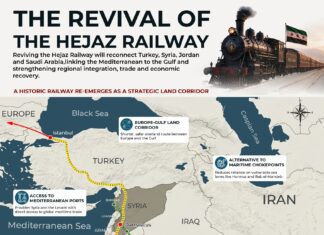
Despite these pressures, the crisis is opening a potential strategic window. Disruptions in maritime shipping could position Syria as part of an alternative land–sea transit corridor linking regional markets.
Khalil argued Syria could benefit from shorter transport routes compared to congested sea lanes, but only if key conditions are met. These include rebuilding infrastructure and strengthening connectivity with neighboring countries such as Iraq, Jordan, and Turkey.
If realized, this shift could generate foreign currency through transit fees and logistics services while attracting investment into transport infrastructure. More broadly, it could help reintegrate Syria into regional trade networks after years of isolation.
Escalating Global Impact
Globally, the consequences are mounting at a historic scale. Fatih Birol stated the world is losing approximately 11 million barrels of oil per day, surpassing the shocks of the 1973 and 1979 oil crises. Economic estimates from the Federal Reserve Bank of Dallas suggest the disruption could cut global economic growth by nearly 2.9 percentage points.
Meanwhile, the Food and Agriculture Organization (FAO) warned that around 38% of global nitrogen fertilizer supplies pass through the strait, pushing urea prices above $700 per ton. In parallel, the International Maritime Organization reported a collapse in vessel traffic exceeding 90%, alongside a roughly 70% surge in shipping costs, further compounding global supply chain pressures.
Energy Routes and Structural Constraints
Economic researcher Suleiman Shaaban emphasized Syria’s geographic advantage as a potential bridge between Asia and Europe. In theory, this positions the country as a candidate for alternative energy transport routes, including pipelines and regional electricity or gas interconnection projects.
However, Shaaban cautioned that these opportunities remain constrained by structural challenges, particularly infrastructure damage and limited regional integration. With the International Monetary Fund (IMF) estimating global losses of $10–50 billion per week from the crisis, Syria faces a dual reality: managing immediate economic strain while attempting to leverage its strategic location.