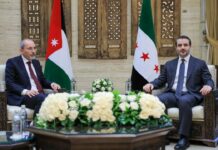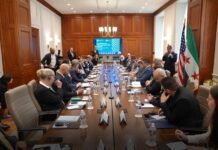
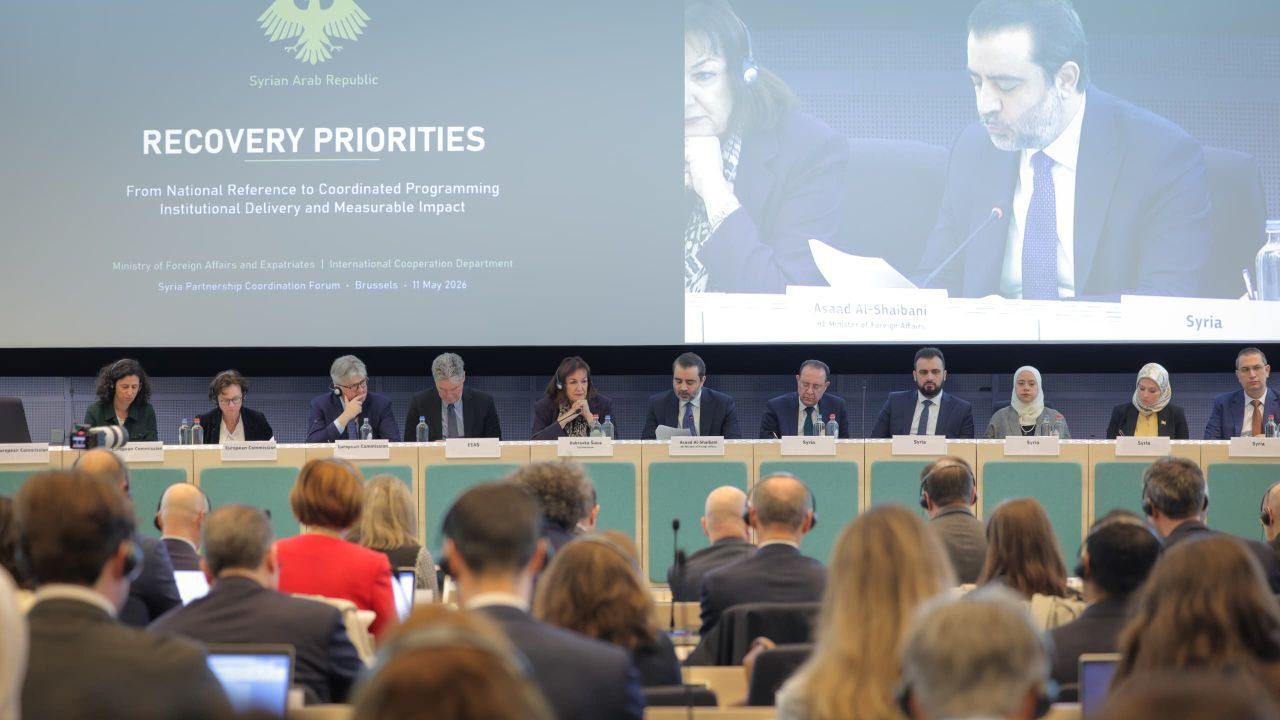
 The EU and Syria concluded their first high-level political dialogue in Brussels after over 14 years of estrangement, marking a significant shift in relations shaped by years of conflict, sanctions and diplomatic isolation. The meeting opened the door to a new partnership framework aimed at rebuilding ties and supporting Syria’s reconstruction efforts.
EU Mediterranean Commissioner Dubravka Šuica described the meeting as “historic,” reaffirming the bloc’s support for the Syrian people as the country moves into a new phase. She noted the EU assistance to Syria since 2011 has exceeded $41 billion.
Šuica announced an expanded European support package including accelerating the implementation of €175 million previously pledged by European Commission President Ursula von der Leyen during her visit to Syria last year. The package also includes an additional €180 million allocated for this year and 2027, bringing the total commitment to €455 million.
The commissioner also confirmed plans to establish a Technical Assistance Center in Damascus to coordinate future cooperation. The initiative will focus heavily on the health sector, including €41 million designated for the rehabilitation of a hospital in Homs. Meanwhile, the EU Council announced the full reinstatement of the 1978 Cooperation Agreement, ending the partial suspension imposed in 2011.
Damascus Pushes for Equal Partnership
Syrian Foreign Minister Asaad al-Shaibani used the forum to present what officials described as a new Syrian vision for relations with Europe. Speaking before delegates, he rejected the idea that Syria should be treated solely as a humanitarian crisis.
“We are not here to speak the language of crisis, but to build partnerships with the world,” Shaibani said. He stressed Syria possesses substantial human capital and investment opportunities, while emphasizing the need for political will to move beyond caution and toward direct engagement.
Shaibani called for Syria’s return to the SWIFT financial system, the reactivation of the European Investment Bank’s role and renewed participation in academic programs such as Erasmus+. He added a stable Syria would benefit both the region and Europe.
Refugees Remain a Key Issue
The issue of refugee returns remained one of the most sensitive topics during the talks. Šuica reiterated the EU’s position that any return process must remain voluntary, safe and dignified, while acknowledging that conditions differ across Syria.
Shaibani also addressed domestic issues, rejecting the use of the term “minorities” and arguing that all Syrians should be viewed equally under constitutional and international law. He pledged support for voluntary refugee returns and said Syria today is “radically different” from what it was a year and a half ago.
The Syrian minister also acknowledged security incidents involving armed militias in Lebanon and reaffirmed Syria’s commitment to the 1974 Disengagement Agreement with Israel. The forum concluded with both sides agreeing to continue dialogue and organize an investment conference before the end of the year, reflecting growing European and Syrian interest in rebuilding political and economic ties.