Iraqi fuel oil exports have entered a new phase with the loading of the first shipment through Syria’s Baniyas terminal, creating an alternative route to global markets as regional shipping disruptions reshape energy flows. The move comes as Baghdad seeks to reduce reliance on traditional Gulf routes amid continued instability around the Strait of Hormuz.
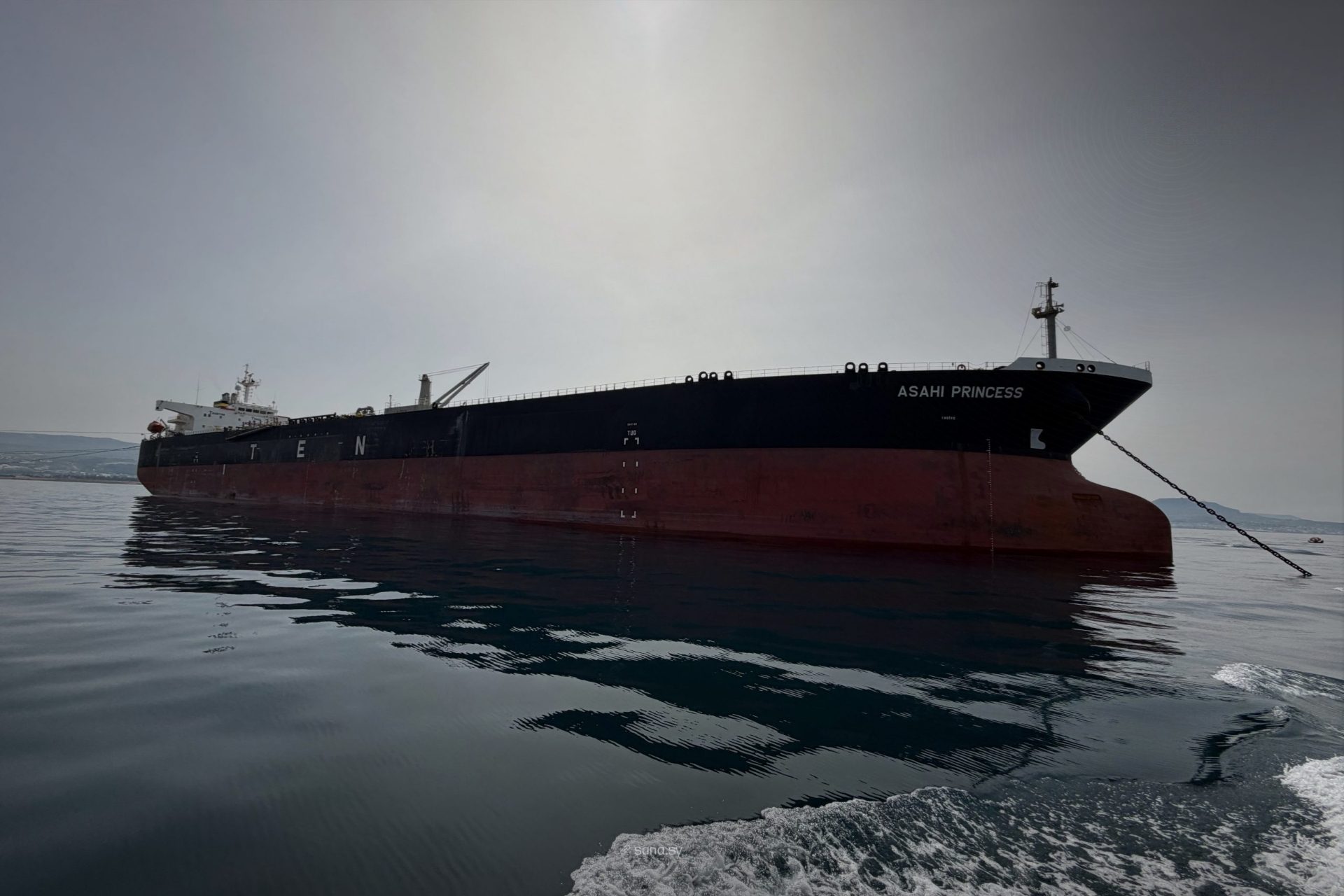
The Syrian Petroleum Company (SPC) said it began loading the cargo onto the tanker Asahi Princess at Baniyas on April 15. The vessel has a capacity of about 85,000 tons, or roughly 700,000 barrels, and the transfer is expected to take at least three days, depending on weather conditions.
The fuel is being pumped from storage at the Baniyas refinery through a dedicated pipeline to the oil terminal before export by sea. This marks the first export of Iraqi oil through Syrian ports since the reopening of the Tanf-Waleed crossing and the launch of the new overland transit corridor earlier this month.
Baghdad Expands Alternatives to Gulf Shipping
Iraq turned to the Syrian route after maritime traffic through the Strait of Hormuz was disrupted, forcing Baghdad to look for faster alternatives to keep refined fuel exports moving. At present, part of Iraq’s crude exports continue through the Kirkuk-Ceyhan pipeline to Turkey, but the Syria corridor offers a Mediterranean outlet for fuel which can bypass Gulf bottlenecks.
The first land convoy included 299 tanker trucks carrying fuel oil from Iraq through the Waleed crossing into Syria. Since then, officials have said between 500 and 700 tankers could move daily as the corridor scales up. Contracts signed by Iraq’s state marketer SOMO cover about 650,000 metric tons per month through June, suggesting the route may remain active beyond the current emergency phase if conditions warrant.
Syria Reasserts Its Transit Role
For Syria, the corridor strengthens its position as a strategic Mediterranean gateway for regional energy transit. The Baniyas route offers Damascus transit revenues, increased port activity and a chance to rebuild its long-dormant role in east-west energy logistics.
Although the shipment volumes remain modest compared with Iraq’s previous export capacity, the operation has attracted attention from energy markets as it introduces a functioning alternative supply path at a moment of regional strain. More broadly, it highlights how both Baghdad and Damascus are adapting infrastructure and trade routes to preserve export continuity under rapidly changing geopolitical conditions.