
 Damascus is swiftly moving to restore its role as a strategic link in the global energy market, currently studying the implementation of a massive infrastructure project at the Port of Baniyas. The project aims to increase oil export capacity via Syria to 4 million barrels per day. Such projects would position Syria among the most important regional transport corridors between East and West.
Strategic Partnership for Infrastructure Development
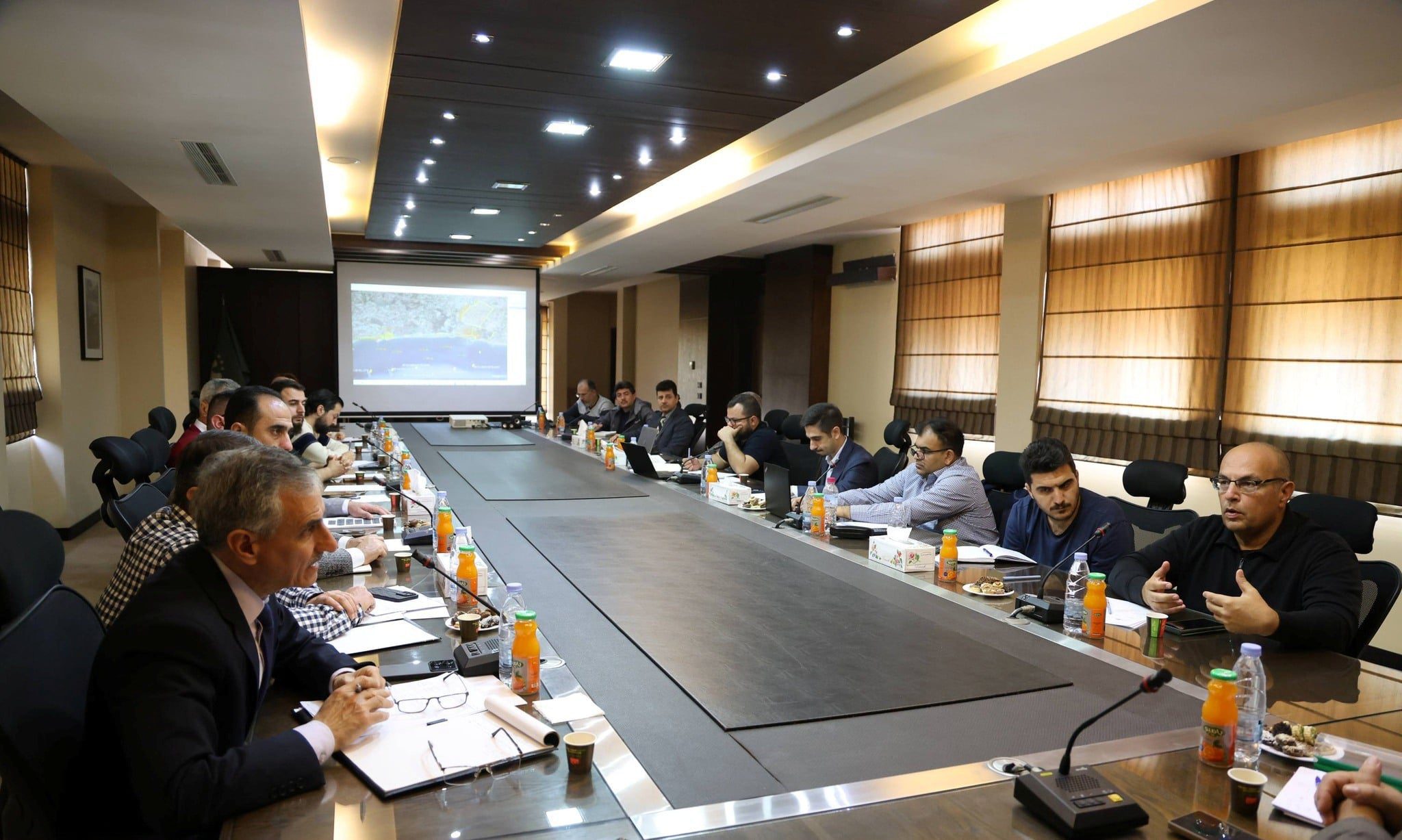
This ambition is the result of technical and financial discussions between the Syrian Petroleum Company (SPC) and Qatar’s UCC Holding. According to a statement reviewed by the Washignton-based specialized energy platform, the proposal goes beyond merely renovating existing facilities.
It seeks to include the construction of an advanced offshore berth at the mouth of Baniyas and the expansion of storage facilities in the Baniyas and Tartous regions accommodating anticipated massive flows.
Although the project is still in its early stages, the agreement to prepare technical studies paves the way for a memorandum of understanding that could shift the balance of power in the Mediterranean oil transportation sector.
An Alternative Regional Corridor for Iraqi Oil
The project aims to serve as an alternative strategic outlet for Iraqi oil. Amid complex geopolitical tensions and risks threatening navigation in the Strait of Hormuz and the Gulf, Baghdad is seeking a new “lifeline” for its exports. Options such as overland transport of Iraqi oil from Iraq through Syria then to global markets via the Port of Baniyas have already become a reality.
This step, which followed the reopening of the Waleed border crossing, represents the first actual use of Syrian ports for exporting Iraqi oil in decades, providing strong momentum for the 4 million barrel project. Under commercial agreements, Iraq’s oil marketing company SOMO is contracted to export approximately 650,000 tons of fuel monthly, via Syria, from April to June.
Instead of merely relying on the aging Kirkuk–Baniyas pipeline, Baghdad is studying the construction of a new line connecting Basra to Haditha and extending to Syrian territory with a capacity of up to 2.25 million barrels per day. This would serve as the artery for the Syrian export system, ensuring stable flows of Iraqi crude to global markets via the Mediterranean.
Energy Security and Boosting the Gas Sector
Syrian-Qatari cooperation has not been limited to oil but has extended to the complex gas file. The two parties have discussed the establishment of an onshore regasification plant to secure the needs of power generation stations in Syria.
This step comes at a time when the country suffers from a significant gap between production and demand, with available electricity capacity reaching only 3,000 megawatts against a demand of up to 7,000 megawatts.
Developing gas facilities, whether through imports from Jordan or the establishment of regasification units, represents an essential pillar for achieving economic and service stability alongside oil export ambitions.