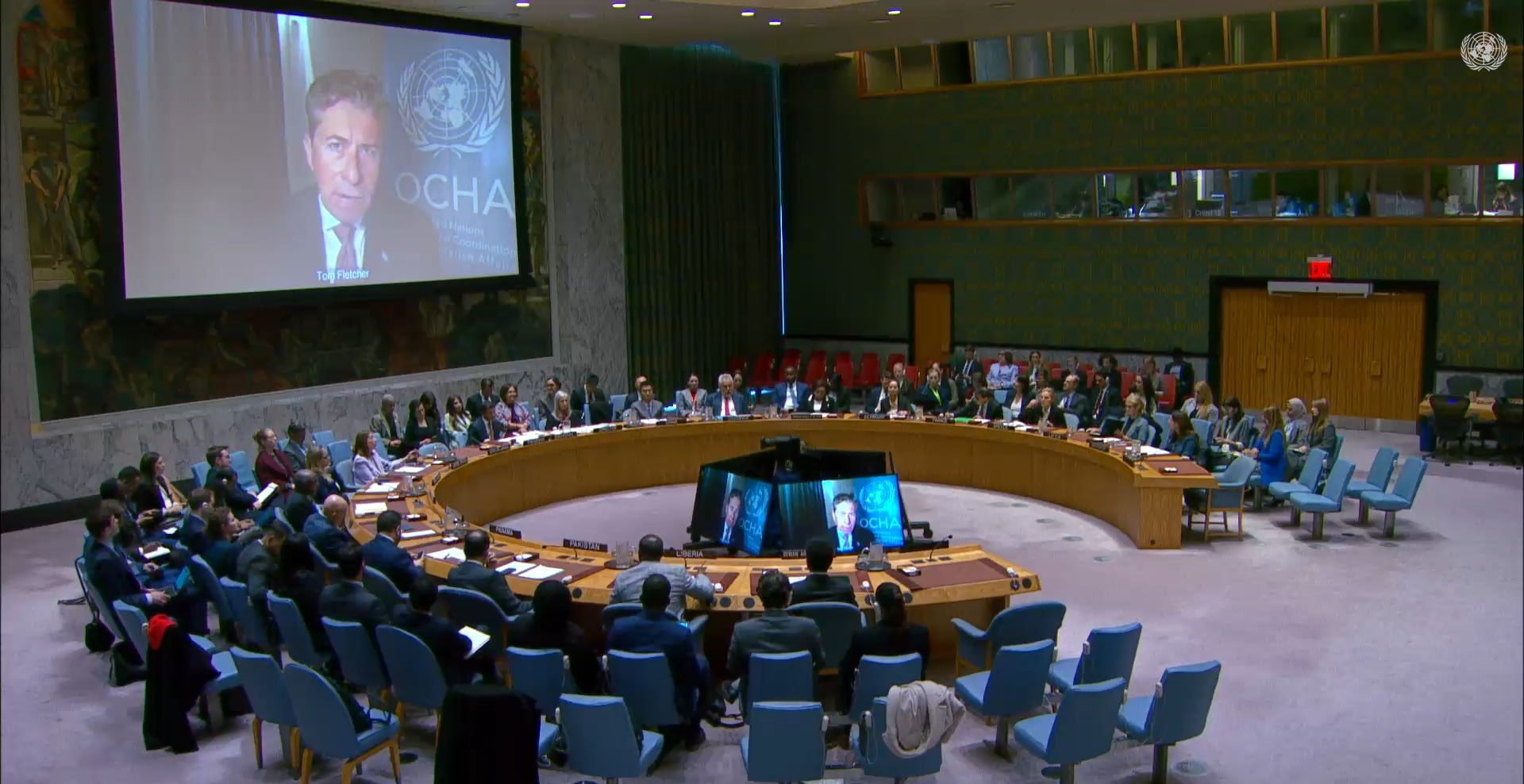
 In a notable diplomatic development, the UN Security Council showed rare consensus in backing the 2026 Humanitarian Needs and Response Plan for Syria. Members also reaffirmed respect for the country’s sovereignty and territorial integrity, while calling for an end to repeated Israeli incursions.
The session reflected a broader shift in how key governments view Damascus. The US deputy permanent representative, Tammy Bruce, said Syria significantly changed over the past 18 months, describing it as “an active partner in combating terrorism.” The official cited coordination with Lebanon, Jordan and Iraq to strengthen border security and curb drug and arms smuggling.
Britain’s permanent representative described President Ahmad al-Sharaa’s recent visit to London as a watershed moment in bilateral relations. France echoed that tone, praising Syrian efforts to address terrorism and prevent child recruitment, and saying the country aims to play a constructive role in regional security.
Russia and China reaffirmed support for Syria’s national unification. Beijing welcomed what it described as Syria’s growing integration into the international system. Pakistan, Denmark and Greece stressed that stability in Syria remains critical to wider regional security.
Humanitarian Progress Meets Ongoing Needs
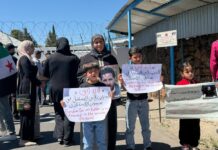
Despite diplomatic momentum, humanitarian challenges remain significant. Denmark’s representative reported that over 1.9 million internally displaced people and 1.6 million refugees returned home since December 2024. While the figures signal progress, basic services and resources remain limited in many areas.
Tom Fletcher, the UN emergency relief coordinator, said at least $1.5 billion is needed in the coming months to sustain humanitarian operations. He also announced an additional $146 million in funding to support urgent, life-saving programs.
Condemnation of Israeli Violations
Council members expressed strong concern over what they described as repeated Israeli violations of Syrian territory. Representatives from Pakistan, Bahrain, Russia, China, Denmark, Somalia and Latvia joined UN Deputy Special Envoy Claudio Cordone in condemning what he called “near-daily incursions” and “provocative practices.” He urged adherence to the 1974 Disengagement of Forces Agreement.
Syria Highlights Domestic Measures
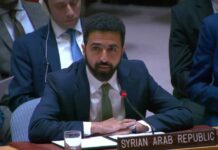
Syrian Permanent Representative Ibrahim Olabi reiterated his government’s commitment to transitional justice. He referenced past atrocities in Khan Sheikhoun, Douma, Homs and Damascus, and said accountability efforts would continue.
Olabi also pointed to recent domestic developments, including the transfer of US military sites to Syrian control and the integration of the Syrian Democratic Forces into national structures. He said preparations are underway for parliamentary elections in Hasakah Governorate.
In his closing remarks, Olabi called for increased humanitarian funding, the lifting of sanctions and an end to what he described as aggressive Israeli policies. He framed Syria’s recent actions as a test of international response, asking what steps the global community would take next.
Children Face Ongoing Risks from War Remnants
Concerns about civilian safety, particularly for children, remain acute. Vanessa Frazier, the UN special representative for children and armed conflict, warned that unexploded ordnance and other war remnants pose a serious threat.
She acknowledged the Syrian government’s stated commitment to addressing the issue but said current capabilities fall short. Frazier called for a comprehensive plan to prevent child recruitment and to reduce risks posed by unexploded weapons, emphasizing the need for sustained international support.