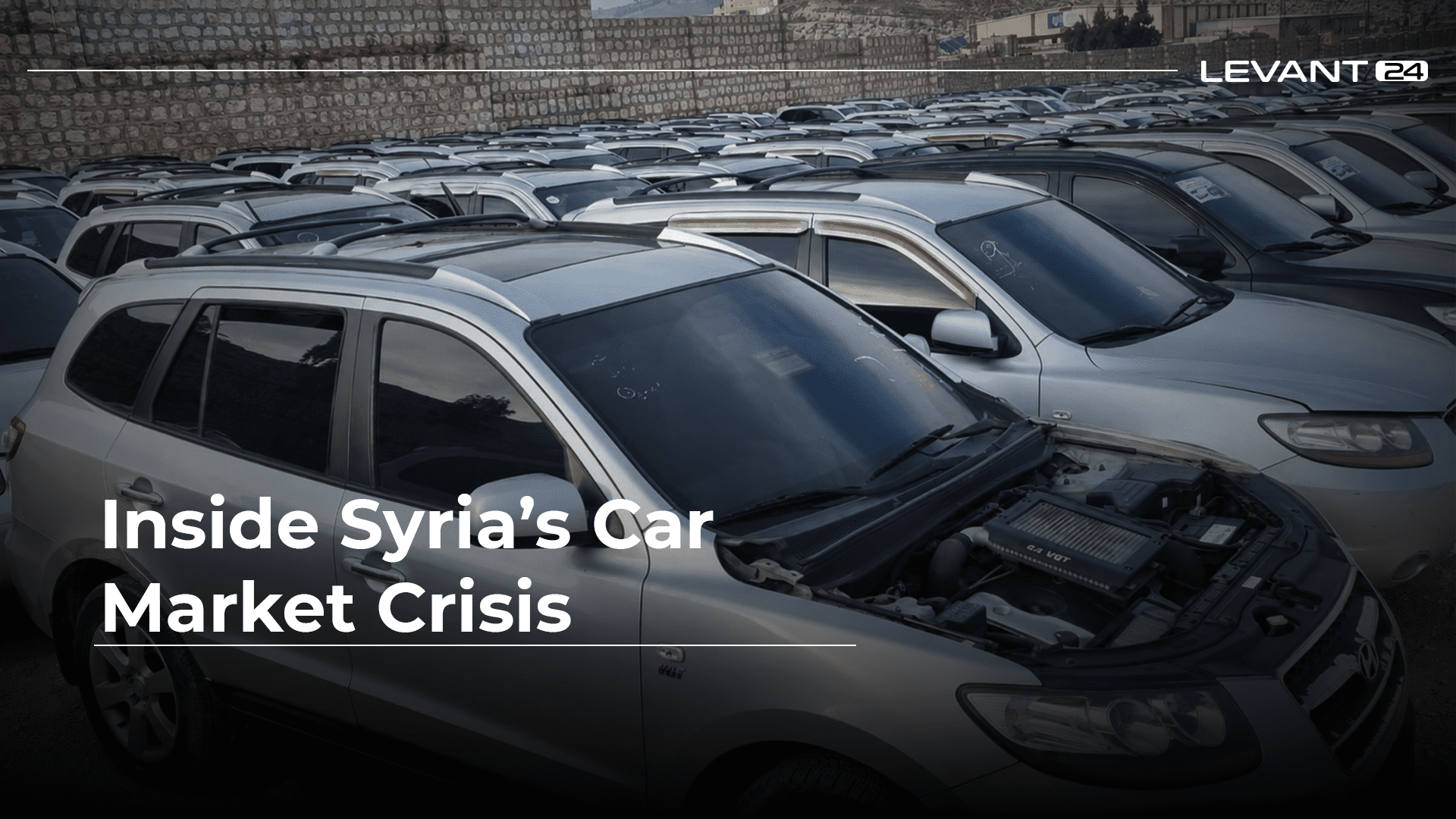
For most Syrians, owning a car has become increasingly unattainable. With average monthly incomes remaining extremely low, both used and new vehicles are far beyond reach. Even as prices shift dramatically across regions, affordability remains out of reach for the majority.
Before Syria’s liberation, car markets followed a clear divide. Used vehicles in Idlib were relatively affordable, while prices in regime-held areas were significantly higher. That reality has since reversed.
In Idlib and other previously liberated areas, vehicle costs surged two to three times higher, while in former regime areas, the costs have dropped as much as 50% post-liberation. Such shifts have occurred alongside persistent inflation, further eroding purchasing power nationwide.
A Market Shaped by Taxes and Fragmentation
For years, Syria’s automotive sector was constrained by high import taxes, sanctions and overlapping authorities. These factors limited supply pushing prices beyond the reach of ordinary citizens.
Hassan al-Muhsin, a car dealer interviewed by Levant24, said “high import taxes and fees were among the most significant factors restricting the car market in Syria.” Customs duties and fluctuating supplementary taxes led to “a substantial increase in the final cost of the vehicle,” turning cars into what he described as “a semi-luxury commodity.”
He added that the lack of transparency and the presence of multiple authorities created “a distorted market reliant on monopolies and speculation, rather than actual supply and demand.”
Prices Collapse in Former Regime Areas as Costs Rise in Idlib
After the regime’s fall, the market opened abruptly, particularly in former Assad-held areas. As restrictions eased and supply increased, car values dropped sharply.
Ammar al-Masri, a dealer in Damascus, said prices fell by about 75% compared with pre-liberation levels. Vehicles that once sold for tens of thousands of dollars became significantly more affordable in nominal terms. A 2011 Hyundai Sonata that once cost the equivalent of roughly $40,000 can now be purchased for around $10,000.
Despite this sharp decline, Masri cautioned affordability remains limited. “Not all citizens can afford to buy a car, even if prices have fallen,” he said.
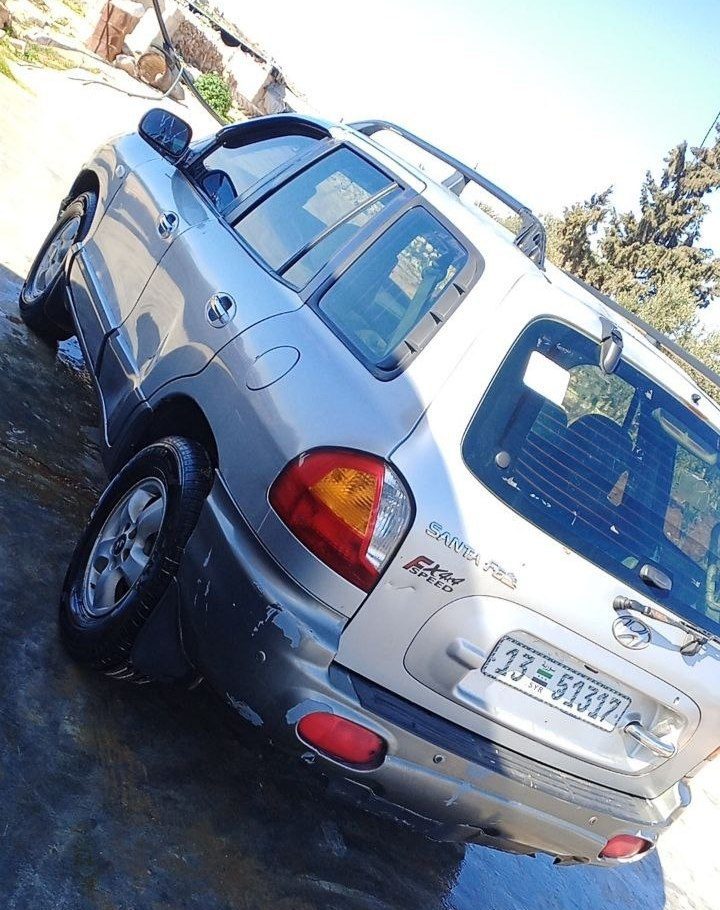
In contrast, Idlib and other previously liberated areas in northern Syria have seen costs rise dramatically. Once among the most affordable car markets in Syria, these regions experienced a surge in demand following liberation, as buyers from across the country traveled there to purchase vehicles.
Abdulhaleem Abdulghani, a government employee in Idlib, described how policy changes compounded this pressure. Authorities imposed import taxes of $1,000 on cars older than 2010 and $1,500 on models from 2010 to 2015 immediately after liberation.
“A vehicle that cost $3,000 in Idlib before, doubled to almost $6,000 after liberation,” he said. The situation worsened after the government banned used car imports, which further increased prices by $1,000 to $2,000. “Currently used vehicles are unaffordable until the government removes the ban on imports.”
Levant24 contacted the Ministry of Economy regarding Decision No. 462, which bans used car imports, but has yet to receive a response.
Low Incomes and Limited Transport Options
Even where prices have fallen, incomes remain the defining constraint. As the official monthly minimum wage stands at roughly $110, car ownership is still out of reach for the majority. With average car prices ranging between $5,000 and $6,000, nearly 50 times the monthly minimum wage, the gap between income and ownership remains vast.
For Abdulghani, the impact is immediate. Unable to afford a car, he relies on the informal “service” minibus system to get around, wherein drivers use private vehicles to transport passengers along fixed routes. “For me, the impact these government policies have is more stress in traveling to where I need to be,” he said.
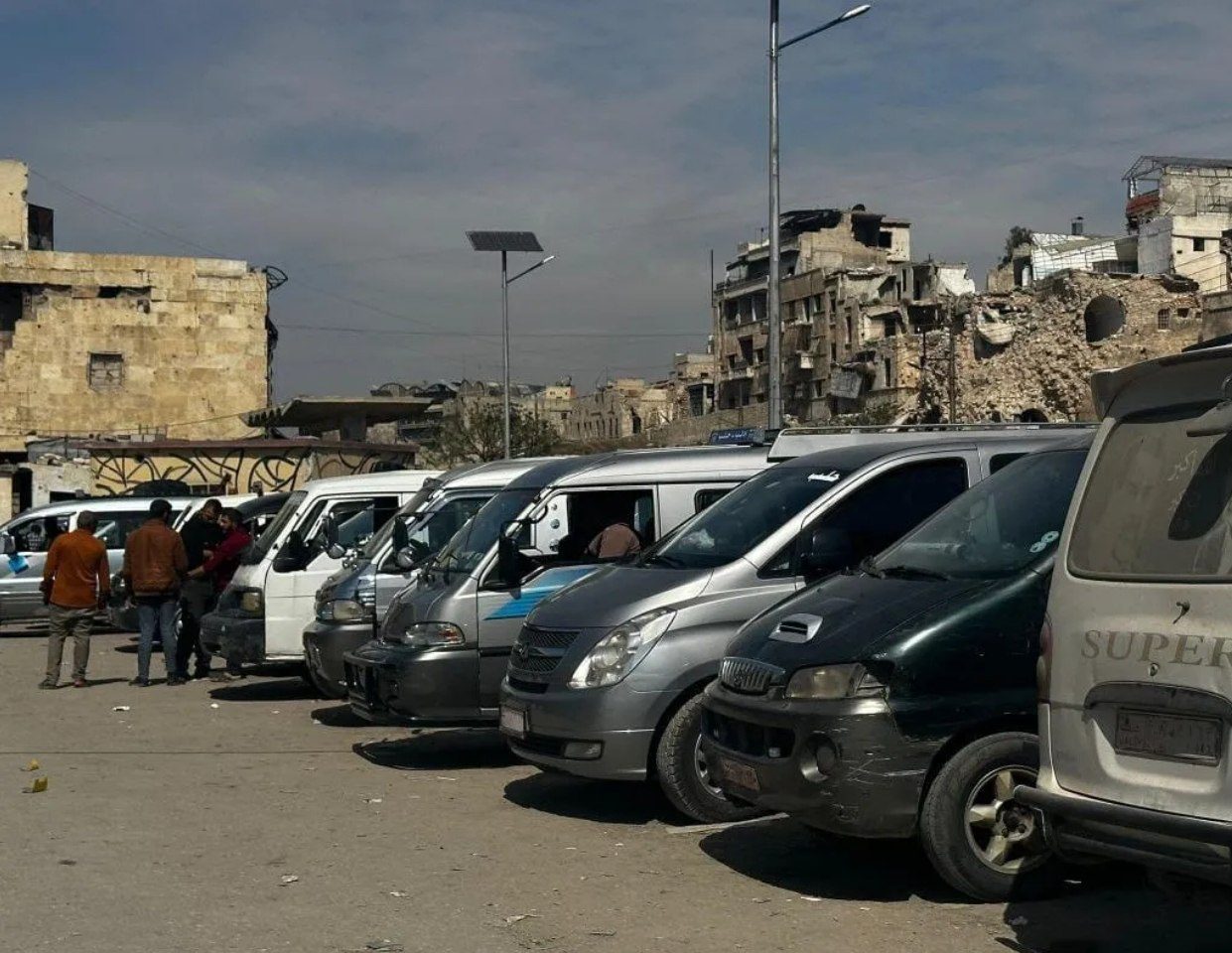
Public transportation alternatives remain limited. Outside major cities, minibus routes are sparse and inconsistent. As Abdulghani noted, public transport is “almost non-existent outside of provincial capitals except for the ‘service’ system.”
Credit schemes have also failed to bridge the gap. Financing options often require large upfront payments and monthly installments exceeding $500, effectively restricting access to wealthier Syrians. “There are car salesmen who accept down payments and let you pay the rest in installments, but only rich people can afford to pay $400 to $500 dollars every month, and there are no bank loans,’’ he added.
Government Policy Efforts in Transportation
Officials say efforts are underway to stabilize and modernize the transportation sector, including plans to expand bus networks, regulate taxi fares and introduce digital monitoring systems. Ali Hammad, director of public relations at the Ministry of Local Administration and Environment, told Levant24 the government aims to ensure “the sustainability of recovery in the transportation sector while improving services provided to citizens.”
However, these initiatives come as varied economic policies continue to constrain the market. Traders and consumers say import restrictions and fluctuating regulations have a more immediate impact on vehicle availability and affordability than service-level reforms.
An Uncertain Recovery
Meanwhile, broader pressures continue to weigh on the sector. Traders report rising shipping costs, delays and increased competition in international markets, all of which have raised import expenses and complicated pricing.
While some dealers paused imports, international brands are beginning to reenter the Syrian market for brand new vehicles. Supporters say this could improve access to spare parts and services, while critics warn of potential strain on foreign currency reserves.
Yet the benefits of these shifts remain uneven. Traders and dealers are often able to adjust prices in response to restrictions, while consumers, facing low wages and limited financing options, have little flexibility. In practice, this has created a market where those selling vehicles can still operate, but those needing them for daily life are increasingly excluded.
Observers point to import policy as a central factor shaping this imbalance. When imports are restricted or banned, supply tightens and prices rise, allowing intermediaries to operate in what becomes a limited and less competitive market. Conversely, periods of open imports have led to price drops and greater availability, even if temporary.
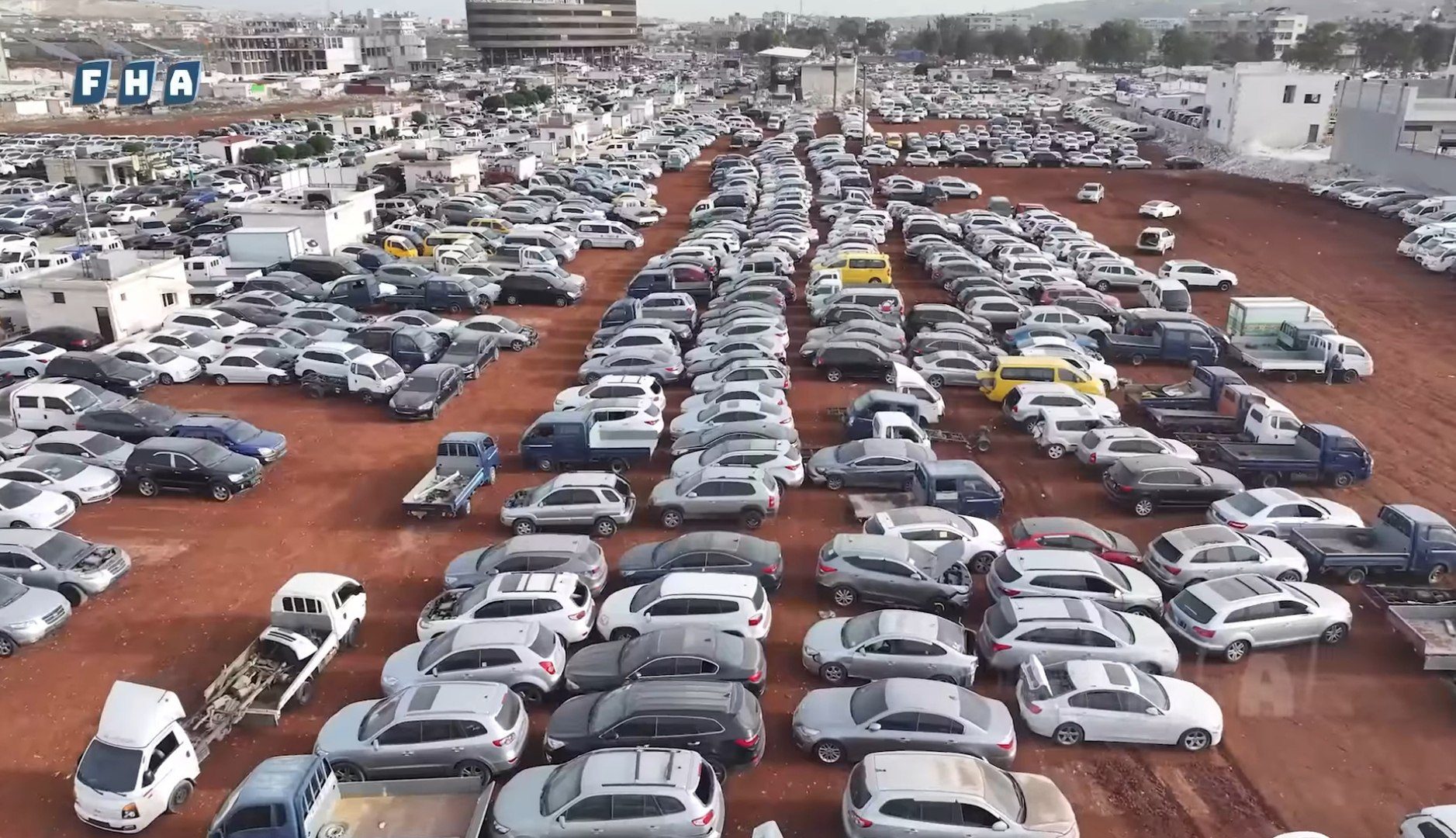
This dynamic has left the market highly sensitive to policy shifts, with new regulations and restrictions quickly reflected in prices. The lack of a consistent, long-term economic strategy further contributes to instability, making it difficult for both buyers and sellers to plan ahead.
For now, Syria’s automotive market reflects a country in transition. Prices dramatically shift across regions, yet the central issue remains unchanged. As long as incomes remain low and import policies continue to fluctuate, car ownership will likely remain out of reach for most Syrians.
The sector is indicative of a deeper economic challenge: whether policy decisions can move beyond short-term fixes toward a system balancing market access, affordability and sustainable growth. Until then, the question is not only how much cars cost, but who the market ultimately serves.